- IBJR flags 60,477 suspicious betting addresses by October 27
- Clone sites copy the branding of Betano, Novibet, Bet365 and BetMGM
- Justice Ministry targets 348 Instagram influencer profiles with 150m+ followers
In this story5 sections
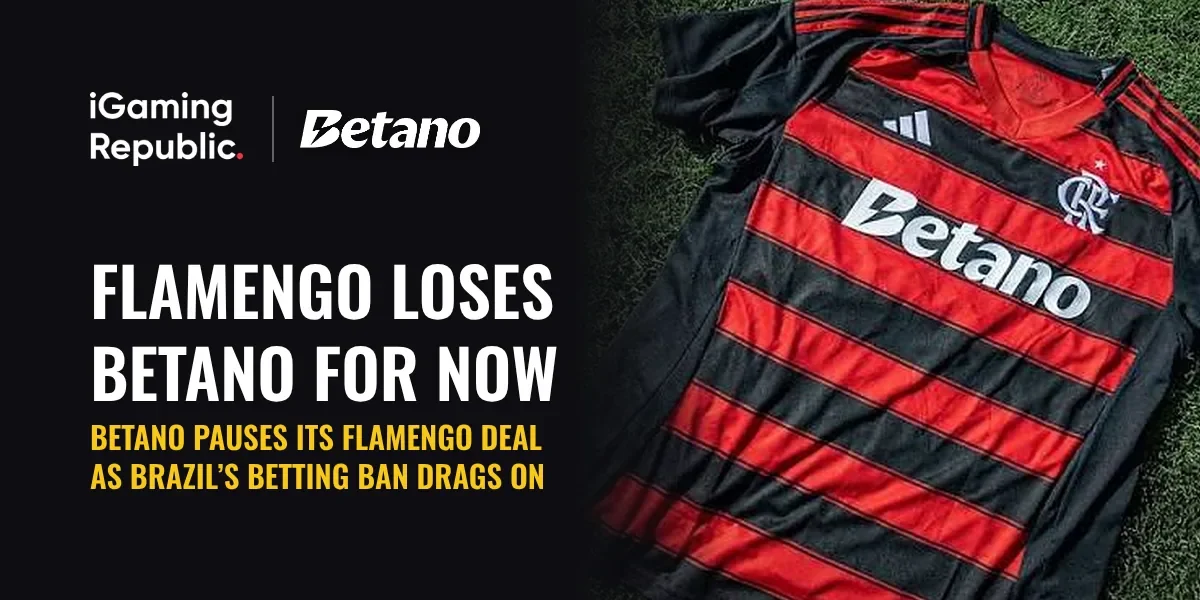
Brazil’s best-known betting brands are still live, just not in the hands of the companies that own them. Clone sites are copying operators forced offline under the betting ban, and the Brazilian Institute for Responsible Gaming (IBJR) had flagged 60,477 suspicious betting addresses by October 27.
A copycat economy
The IBJR, which represents betting companies, began monitoring after the ban was published on September 25. It tracks new domains, search results, social networks and Telegram channels. Just over half of the addresses (34,134) showed clear signs of a live betting operation: bonus offers, Pix payments and sign-up forms.
Add iGaming Republic as a preferred source on GoogleSee more of our stories in Google’s Top Stories.Executive president Carlos Lima named Betano, Novibet, Bet365 and BetMGM among the brands being imitated. He said the scams prey on consumer trust in names people already recognize.
BetMGM spotted one fake page using its name to funnel visitors to a site offering a 500% bonus across the first four deposits. It also found posts using its brand, and those of rivals, to send traffic to other betting sites.
The IBJR is clear that its tally is a monitoring log, not a census. Some entries may be sites that already existed, and the figure cannot size the illegal market on its own.
The rush started almost immediately. Monitoring platform Bet Legal detected 710 unauthorized domains by the evening of Sunday, September 27, two days after the measure was published. That was a 141% jump on its Friday count. The panel records when domains are spotted, not when they were registered.
Bait and switch
Reporting by Estadão found clones of Betano and Pitaco lifting names and visual identities wholesale.
The tactics are crude but effective. Some sites pose as giveaways for motorcycles and games consoles, then drop users into online casino games. One told visitors it was back in business, a line pitched at players who lost their usual sportsbook in October.
The flow of new sites has not let up. The National Association of Games and Lotteries (ANJL) logged 199 new suspicious sites on November 12. In the six days before that, its daily count never dropped below 100.
Some offshore operators skip the disguise altogether. An Estadão survey published on November 3 found at least 17 international brands still open to Brazilian sign-ups, including Melbet, Pin-up, Linebet, Betika and Cloudbet.
Their sites offer Portuguese-language pages, Brasileirão markets and ads featuring former athletes Andrés Iniesta and Dennis Rodman.
Sued for someone else’s fraud
For the brands being copied, the damage goes beyond lost traffic. According to Estadão, players burned by fake sites have taken the legitimate operators to court, even though those companies shut down to comply with the ban. The report does not name specific cases.
So far those operators have done little more than alert the government. The main aim is to avoid liability for criminal use of their trademarks.
The brands at stake took years and serious money to build. Before the ban, 85 federal authorizations, held by 82 companies, were in force. Each authorization carried a BRL30m fee and ran for five years.
The financial fallout is already showing up in results, from Flutter’s write-downs to a 36% fall in Brazil at Entain. Now the brand equity behind those businesses is working against them.
The influencer pipeline
Promotion has moved to social media and messaging apps, where takedowns are slower. Estadão found a public Telegram group with nearly 30,000 members pointing bettors to offshore sites. It also advertises sign-up bonuses, a practice the report notes was prohibited in the regulated market too.
On November 9, the Ministry of Justice and Public Security asked for 348 influencer profiles on Instagram to be taken down for promoting illegal betting. Between them, the accounts had more than 150 million followers, and one alone had 1.4 million. Removal depends on Meta acting on the request.
The ministry has monitored sites, pages, profiles and groups since September 25. By November 9, it had identified 51,611 websites among more than 60,000 records of illegal betting promotion.
ANJL data shows how the pipeline runs. Its monitoring found 802 Instagram profiles promoting 844 betting sites as of November 2. Most were mid-sized accounts with 10,000 to 100,000 followers, and nearly three in four posted at least once every three days.
ANJL president Plínio Lemos Jorge pointed out that Instagram lets teenagers open accounts from the age of 13. He added that it is only one of many networks in play.
Blocking continues at scale. The Secretariat of Prizes and Betting (SPA) said more than 47,000 illegal websites had been blocked by November 6. That is an average of more than 1,100 domain blocks a day since September 25.
Waiting on Brasília
Former licensees argue the ban has blurred the line between real and fake for players. Lima said it pushed out supervised companies without stopping the offers. He urged authorities to remove fraudulent ads and sites and cut off the payments behind them.
The ANJL makes the same case at the Supreme Federal Court. It argues that closing the licensed market has left consumers more exposed to unregulated sites.
Neither route back is moving quickly. Congress has until March 4, 2027 to approve Provisional Measure 1,394/2026. That deadline already includes a 60-day extension granted in November. The joint committee reviewing the measure has yet to be installed. If it lapses, the 2023 Betting Law (Law 14,790/2023) comes back into force.
The courts have closed the side doors. On November 6, the president of the TRF-3 federal appeals court suspended an injunction that had let CDA Gaming reopen its Casa de Apostas, Betsul and Jogo Online brands. On November 8, Justice Luiz Fux froze lower-court challenges nationwide.
The Supreme Court itself has yet to rule. A ten-hour hearing on November 3 ended without a decision.
The longer the limbo lasts, the more of these brands’ equity ends up working for unlicensed sites. Operators planning a return will need brand protection ready on day one. Some of their old customers will have met a copy before they find the original again.