Lula pulls plug on Brazil’s licensed betting market
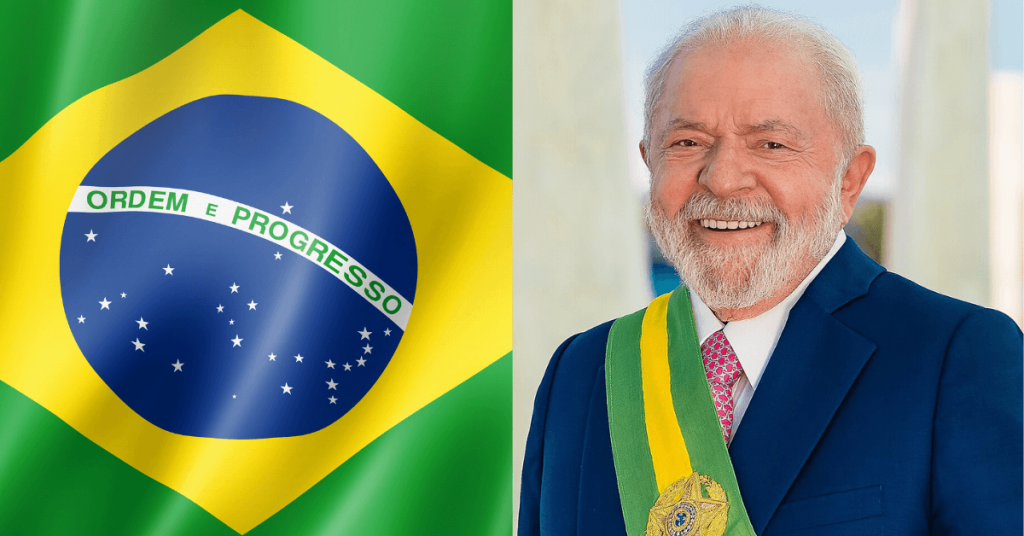
- Lula signs a provisional measure banning online betting and casino games across Brazil.
- Deposits stop now, with licensed sites and apps blocked from October 6.
- Congress has 120 days to approve the order or it expires.
Brazil’s President Luiz Inácio Lula da Silva signed a provisional measure on Friday, September 25, shutting down the country’s licensed online betting market.
The order takes effect immediately, nine days before the October 4 first-round presidential vote, and the government is presenting it as a fix for mounting household debt.
Lights out October 6
The measure bans the operation, offering, intermediation and advertising of online betting and online casino games, according to state news agency Agência Brasil. Platforms were barred from taking new deposits the moment it was published.
Dario Durigan, Minister of Finance of Brazil, said:
“We are facing a public health issue involving online betting. It is a serious problem.”
Players have until 23:59 on October 5 to withdraw their balances. From October 6, app stores and network providers must block betting sites and apps, according to Reuters.
Operators must report each customer’s remaining balance to their banks on October 7 and 8. Banks will then refund the money between October 9 and 14, and Caixa Econômica Federal can step in from October 14 if payments stall, Agência Brasil reported.
Durigan put the licensed market at 85 sites and around 180 brands. Any platform still online after the deadline will be treated as illegal, blocked and have its funds confiscated, he said.
A separate urgent bill heading to Congress would make running, operating or promoting sports betting a crime. The government’s proposal sets prison terms of four to six years plus a fine, with two to four years for institutions that process betting payments. Brazil’s Constitution bars executive orders from creating criminal penalties, Courthouse News Service noted, so those sanctions depend on lawmakers.
Ballot-box politics
Polls show Lula locked in a tight race with right-wing Senator Flávio Bolsonaro, eldest son of former President Jair Bolsonaro, Reuters reported. The betting ban landed on the same day as a new household debt relief program, the latest in a string of pre-election announcements.
Bolsonaro dismissed the move as “populist, hypocritical and politically motivated” at a rally in Rio de Janeiro. Voters appear more receptive: surveys cited by Reuters show roughly three-quarters of Brazilians back a total ban.
Lula told journalists in São Paulo:
“I made the decision to take a hard, drastic and necessary measure.”
Friday’s order is the endpoint of months of escalation. Lula first said he wanted to shut down betting in April, then made a ban the centerpiece of his reelection campaign in May. By late August, Durigan was saying the president had wanted betting eliminated entirely.
Counting the cost
The regulated market has been open nationwide only since January 2025. Each operator paid BRL30 million for a five-year license, according to Courthouse News.
The Finance Ministry puts household spending on online betting at around BRL60 billion a year. That spending generates roughly BRL10 billion in tax revenue, Reuters reported.
JPMorgan flagged Evolution as one of the most exposed listed names, with about 9% of sales tied to Brazil. Allwyn’s Betano business contributes 6% to 7% of EBITDA, and Entain and Flutter also have exposure.
The National Association of Games and Lotteries (ANJL), which represents licensed operators, warned that more than 30 million gamblers could be pushed toward illegal sites. The group said it is already moving to overturn the measure in court.
The ANJL said in a statement:
“In a move unprecedented in the global industry, aimed solely at perceived electoral gain in the race for the presidency, the country is undermining constitutional principles such as free enterprise and human dignity; the latter is compromised by facilitating the migration of bettors to the illegal market.”
The shutdown will be complete long before Congress’s 120-day window closes, unless a court intervenes first. That makes the judiciary the industry’s most immediate line of defense.
The government is preparing for the aftermath. An interagency enforcement group has already taken down more than 60,000 betting pages since 2024, and the justice minister said it will now be expanded.
Operators paid BRL30 million each for licenses meant to run until 2030, and most have held them for less than two years. The ANJL’s case will test whether a provisional measure can void those rights before Congress has even voted on it.
Do you have a story worth sharing?
Send it over to our editors!