- GRAI notifies the European Commission of draft Prescribed Games Regulations
- Eight proposed categories include changing-prize, drop and simulated sports games
- EU standstill is expected to end on 22 February 2027, unless extended
In this story4 sections
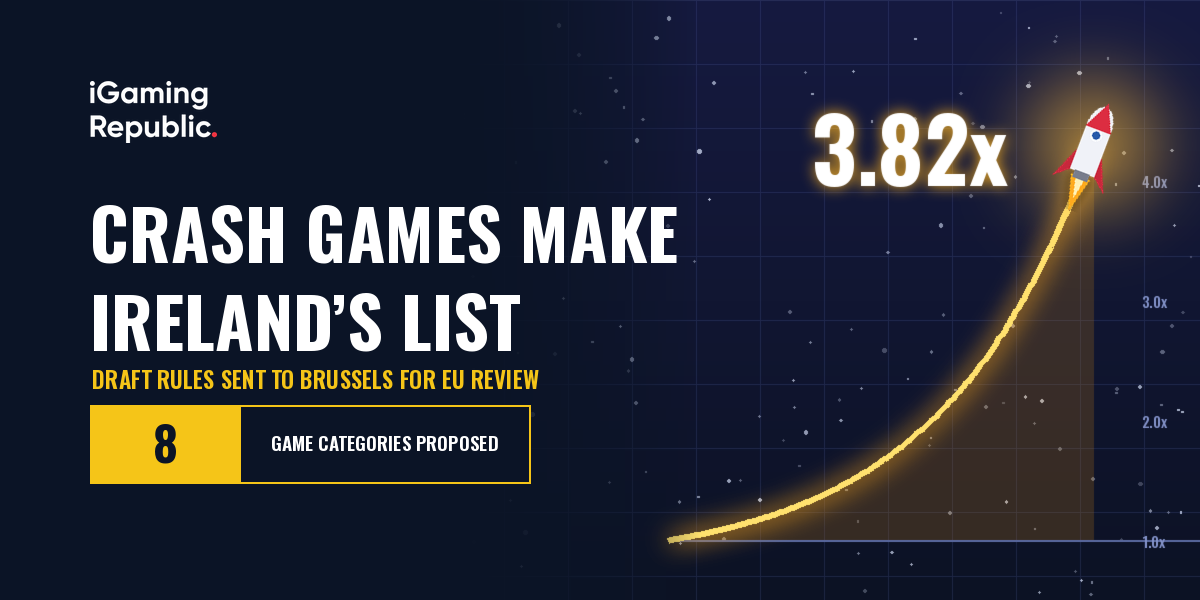
Ireland wants crash, drop and computer-simulated sports games on the list of products its new regulator can license.
The Gambling Regulatory Authority of Ireland (GRAI) notified the European Commission of its draft Prescribed Games Regulations on 19 November. The EU standstill is expected to end on 22 February 2027, unless extended.
Add iGaming Republic as a preferred source on GoogleSee more of our stories in Google’s Top Stories.What the list covers
The draft is made under Section 86(1) of the Gambling Regulation Act 2024. According to the TRIS filing, the regulations prescribe the games a licensee may provide, subject to specific authorisation in a gaming licence. In practice, each operator will only be able to offer the categories its licence covers.
The draft proposes eight categories. The first five are card games, wheel games such as roulette, dice games, reel games that display symbols, and instant win games. Slots fall under reel games. Instant win includes electronic scratchcards and push-button instant-outcome games.
The remaining three cover newer formats. Changing-prize games are those where the prize changes during play and depends on avoiding a termination event, which is how crash games work.
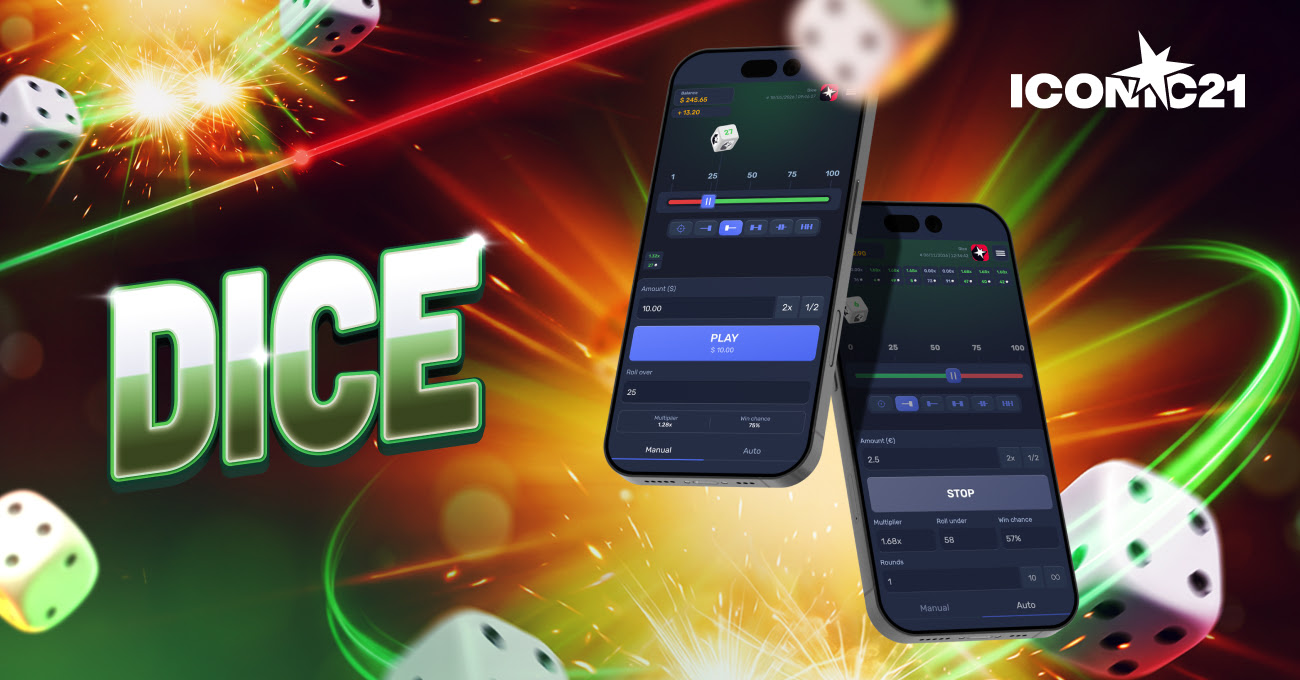
On-demand games based on computer-simulated sports events have their own category. So do drop games, where balls or similar objects move through an area containing obstacles, pins or pegs, as in Plinko.
The draft follows a public consultation on prescribed games, record-keeping and the information operators must give account holders. It closed on 20 August. It drew 123 responses from operators, suppliers, consultants, representative bodies and members of the public.
The responses broadly supported the list. Some respondents warned that definitions tied too closely to current technology could make it harder to accommodate new games.
That consultation followed an earlier industry survey on prescribed games.
According to the GRAI, it drew up the draft categories for that survey with external subject matter experts and other regulators. The consultation also helped shape supporting guidance alongside the regulations.
Odds shown before play
The list applies to remote and in-person play alike, and that the notification describes the categories as compiled from games already offered in Ireland and the EU. The regulator called the framework "lean and technologically neutral".
The draft also sets out what players must be told. In every category, operators must show the likelihood of winning before a game starts. The draft defines this as the house edge, return to player, odds of winning and probability of each winning event.
Where skill or player actions affect the result, operators must also explain how the game works and how winners are decided.
Each category then has its own rules. For changing-prize games, operators must disclose how multipliers scale, any active bonus features, and the triggers for manual and automatic cash-outs. Outcomes must be random.
Drop games must have prize locations set and disclosed in advance, with a random path for the ball through the playing area. Computer-simulated sports games must have random outcomes too. Card games need random, tamper-proof shuffling.
In reel games, the artwork must show paylines, active selections and winning combinations.
Betting licences come first
The regulations would not, on their own, allow anyone to offer games. Operators would still need a licence. The GRAI said it cannot issue gaming licences under the new framework until regulations identify the eligible games.
Betting is well ahead. Remote licensing for betting operators began on 1 July 2026, and the regulator has since begun issuing licences. By early November, the GRAI said it had issued 41 licences, covering 98% of the online betting market, TheJournal.ie reported. In-person betting licensing is due to follow later this year.
The transition has already reshaped the market.
Betfred paused its Irish operations from 30 June 2026 to align with the new rules. Entain has closed Ladbrokes shops in Ireland, and Flutter has announced Paddy Power closures across the UK and Ireland.
Gaming is next. GRAI chief executive Anne Marie Caulfield called the gaming market "completely unregulated" and said it would come under licensing in 2027, the Irish Examiner reported earlier this month.
The GRAI says applications for gaming, lottery, B2B and charitable licences will open in phases through 2027 and 2028.
The overlap between betting and casino is already on the regulator's radar. Research the GRAI commissioned from the ESRI found almost four in ten people who opened an account to bet on sport or racing later used other products, including online casino, slots or bingo.
The road to adoption
A second Irish draft is also before Brussels.
On 12 November, the Department of Justice, Home Affairs and Migration notified draft Social Impact Fund regulations under TRIS notification 2026/0645/IE.
Licensees would pay 1% of turnover, based on the previous financial year, from 1 April 2027. That standstill ends on 15 February 2027.
During the games standstill, the Commission and other member states can comment through the TRIS procedure. A detailed opinion can extend the standstill period. Stakeholders can also submit contributions on the TRIS portal until the standstill ends.
The draft carries no commencement date. Late February is the earliest the standstill can end, after which the regulations still need to be made and gaming applications opened.
That leaves operators and suppliers just under three months before the first possible milestone. The likely work is practical: checking portfolios against the eight categories, reviewing how odds and RTP are displayed, and documenting how multipliers and randomness work.
The GRAI's three-year strategy runs to 2027. With betting licensed and the levy set for April, gaming is the next major piece of the new regime still to be put in place.