Wisconsin tribal chair calls on lawmakers to legalise mobile sports betting
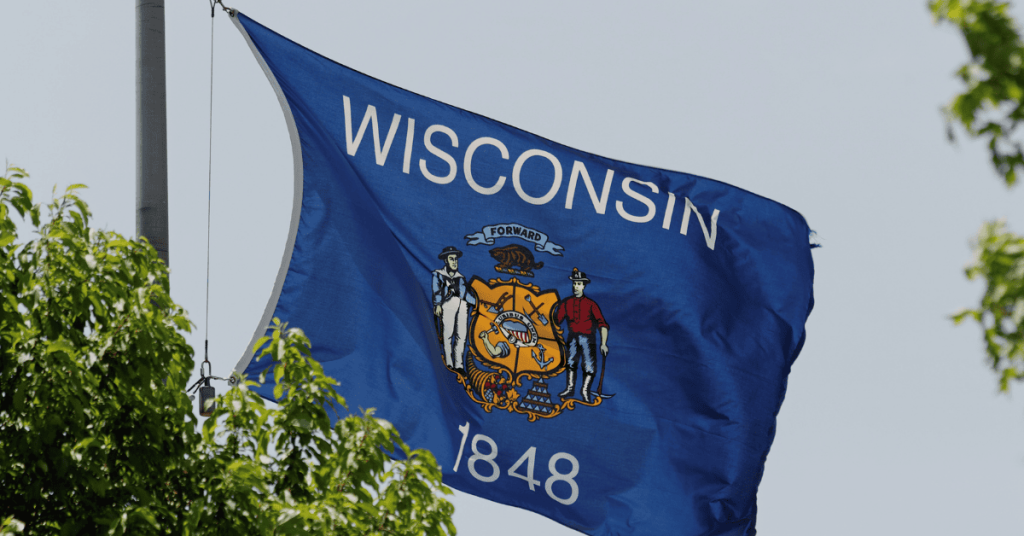
- Tribal chair Nicole Boyd urges Wisconsin legislators to pass mobile sports betting legislation at the annual State of Tribes address.
- Legislative testimony and industry estimates put unregulated wagering by Wisconsin residents at around $1 billion in 2024.
- Opposition from within the Republican Party and national commercial operators continues to slow the bill’s progress.
Wisconsin tribal leaders renewed their push for mobile sports betting legalisation on Tuesday (10 February).
Nicole Boyd, tribal chair of the Red Cliff Band of Lake Superior Chippewa Indians, used her annual State of Tribes address at the state Capitol to call on lawmakers to advance pending legislation that would allow tribes to offer statewide online sports wagering.
Tribal gaming as an economic backbone
Boyd opened by highlighting the economic contribution tribes make to Wisconsin before turning to her legislative ask. She pointed to the Oneida Nation’s partnership with the 2025 NFL Draft in Green Bay, which generated more than $105 million in economic impact.
Tribal members, she said, have been able to build small businesses, and many nations now maintain their own economic development boards.
Gaming revenue, Boyd argued, funds services that communities depend on daily.
“Gaming revenue helps ensure that mothers and babies have access to health care and healthy food, that our elders can receive care, that families have housing, that our roads are plowed and that law enforcement and fire departments are able to serve us,” Boyd said.
She then made her case for expanding that revenue stream into the mobile space.
“That is why I ask you to approve the legislation currently before you that will bring Wisconsin tribes one step closer to offering mobile sports betting in Wisconsin. Let’s get this work done so we can provide something that will truly benefit Wisconsin,” Boyd added.
The bill and its structure
Under current Wisconsin law, sports betting is legal only in person at tribal casinos.
Assembly Bill 601 would expand that framework by redefining a “bet” to include wagers placed via mobile devices, provided the processing server is physically located on tribal land. Supporters argue that structure ties the wager to tribal gaming and avoids triggering a broader constitutional fight over commercial online gambling.
The proposal mirrors Florida’s “hub-and-spoke” model, under which the Seminole Tribe holds exclusive control of the state’s sports betting infrastructure through Hard Rock Bet.
All 11 Wisconsin tribes would be eligible to partner with commercial sportsbook operators, though any updated gaming compacts would require approval from the federal Bureau of Indian Affairs.
Opposition and the unregulated market threat
Rep. Adam Neylon, R-Pewaukee, issued a written statement following Boyd’s address opposing the proposal.
“While I deeply appreciate Wisconsin’s tribal communities and the many ways they enrich our state, I strongly oppose the proposal for tribal-only mobile sports betting,” Neylon said.
“Mobile sports betting is designed to create addiction.”
The Sports Betting Alliance (SBA) — representing FanDuel, DraftKings, BetMGM and Fanatics Sportsbook — has also pushed back, arguing the bill’s revenue-sharing structure is unworkable.
Under the tribal framework, operators would be required to direct at least 60% of revenue to their tribal partners. SBA counsel Damon Stewart told lawmakers last November that the provision was “simply not economically feasible,” warning that major brands may decline to enter the Wisconsin market under those terms.
Boyd highlighted the scale of the unregulated market that the bill aims to address. Industry testimony indicates that Wisconsin residents wagered approximately $1 billion on offshore platforms in 2024.
The Ho-Chunk Nation of Wisconsin filed a federal lawsuit in 2025 against prediction market platform Kalshi, accusing it of operating illegal sports betting in the state. Kalshi has maintained that its platform operates as a regulated financial exchange. The company reported processing $1.2 billion in trades on this year’s Super Bowl alone.
Fanatics has already launched a prediction market product covering Wisconsin, while DraftKings and FanDuel have announced plans for similar offerings in states without legal mobile wagering.
Do you have a story worth sharing?
Send it over to our editors!