Wisconsin to push tribal sports betting to curb rise of prediction markets
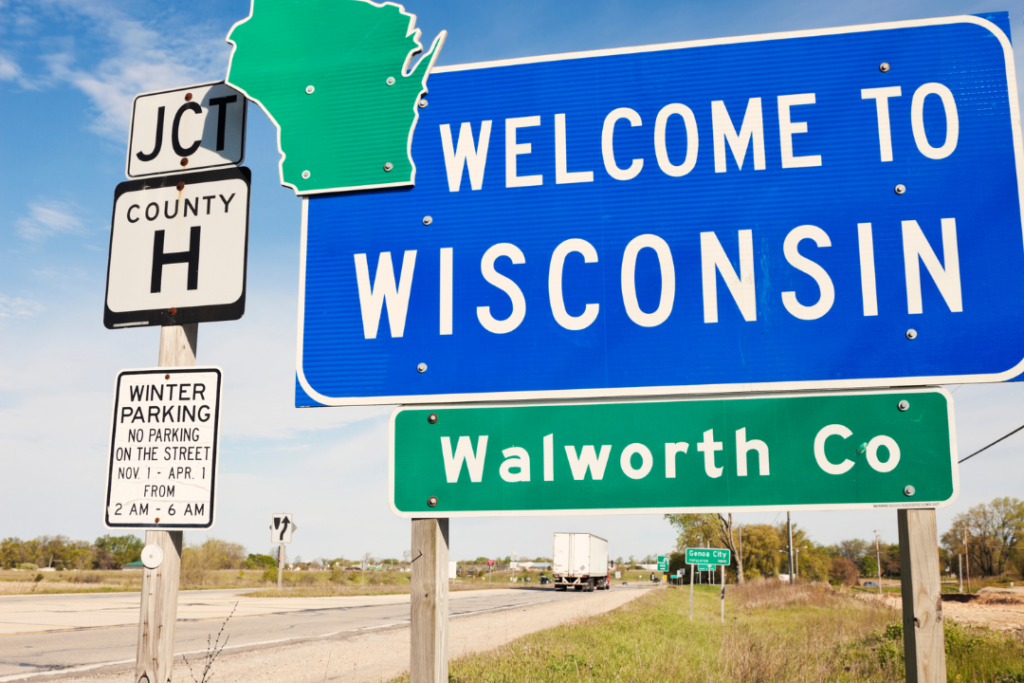
- Wisconsin lawmakers introduce a bill to legalize statewide online sports betting through tribal compacts.
- The proposal aims to shift betting from illegal offshore operators to regulated tribal sportsbooks.
- Lawmaker warns that if sports betting is not legalized, federally regulated prediction markets could gain popularity in Wisconsin.
Sports betting in Wisconsin
A bipartisan group of Wisconsin lawmakers has proposed legislation to legalize mobile sports betting statewide through agreements with the state’s federally recognized tribes.
Introduced in October 2025, Bill AB 601 aims to expand current tribal sports betting beyond physical locations to online platforms accessible anywhere in the state. The initiative seeks to address illegal offshore betting and offer safer, regulated wagering options for residents.
Wisconsin State Senator Kristin Dassler-Alfheim, co-sponsor of the bill, commented:
“This is something that most people have access to. It’s just correcting the bill to allow the tribes to allow people in Wisconsin to take advantage of it. This just allows Wisconsin to catch up with the rest of the country.”
Current restrictions and the proposed model
Wisconsin only permits retail sports betting at select tribal casinos, limiting access to online services. The proposed legislation would use a “hub-and-spoke” model, where tribal casinos operate servers that process bets.
Bettors could place wagers via licensed tribal sportsbook apps from any location in Wisconsin, provided the backend servers remain on tribal land. The bill requires approval from the U.S. Department of the Interior to validate tribal-state gaming compacts necessary for the mobile betting framework.
Economic and regulatory implications
Proponents estimate legal sports betting would divert hundreds of millions of dollars from illegal operators into the regulated market.
Jim Crawford, attorney general of the Potawatomi tribe, commented:
“While online gaming is currently the wild west in Wisconsin with no regulations or protections for consumers,” Crawford said. “It does not have to be. This bill is a first step in ensuring that consumers will be able to have a legal, regulated and protected way of participating in this extremely popular technology.”
The bill also addresses concerns that delaying legalisation may boost federally regulated prediction markets in Wisconsin. These markets allow wagering on political and economic events and do not require state taxation like traditional sports betting. Lawmakers warn that inaction could encourage the growth of these markets.
Next steps
Legalisation could open opportunities for partnerships between tribal operators and major sportsbook brands such as FanDuel, DraftKings, and BetMGM. However, some argue the model may limit market competition due to economic viability concerns for large operators.
The bill is advancing through state legislative committees with a scheduled Assembly vote. If enacted, Wisconsin would join neighboring states like Illinois and Iowa that offer statewide mobile sports betting. Legalisation is expected to increase tax revenues, supporting tribal communities and state initiatives.
This is a pivotal moment for Wisconsin’s gaming industry with implications for operators, regulators, and local economies as the state balances consumer protection and market growth in sports betting.
Sources: Wisconsin Examiner
Do you have a story worth sharing?
Send it over to our editors!