Spain blocks Kalshi and Polymarket
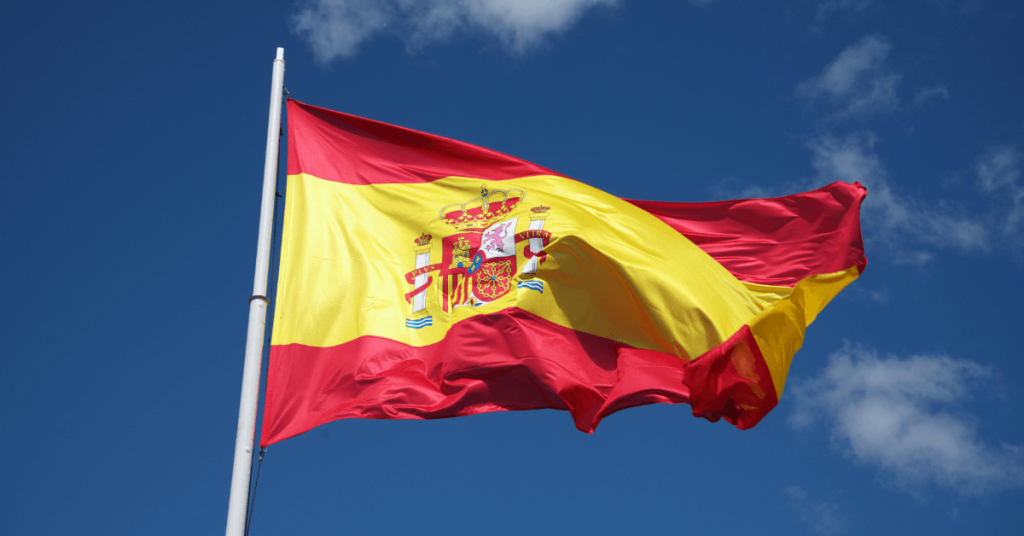
- Spain’s DGOJ has ordered internet service providers to implement a temporary ISP-level block on Kalshi and Polymarket, pending a formal investigation.
- The suspension is expected to last three to four months as regulators determine whether the platforms have breached Spanish gambling law by operating without a licence.
- Spain becomes the third European jurisdiction to take enforcement action in 2026, following the Netherlands and Belgium.
Spain’s Ministry of Social Rights, Consumer Affairs, and Agenda 2030 has temporarily blocked access to US-based prediction market platforms Kalshi and Polymarket for Spanish users.
The country’s gambling regulator, the Directorate General for Gambling Regulation (DGOJ), has opened formal disciplinary proceedings against both companies for allegedly operating without the required administrative authorisation.
The sanctions notices were published in Spain’s official state gazette, the Boletin Oficial del Estado, on 26 May.
Spanish internet service providers, including Vodafone Espana, Telefonica and Orange Espana, are expected to implement network-level DNS blocks within seven to ten days, redirecting users to a government advisory page. The suspension will remain in place for an estimated three to four months, per the ministry.
Licences and consumer safeguards
Under Spanish gambling law, prediction markets are classified as gambling when users stake money on uncertain future outcomes. Both Kalshi and Polymarket currently hold no administrative licence to operate in Spain, placing them in breach of that framework.
The DGOJ cited the absence of consumer protections mandatory for licensed operators, including identity verification systems, access controls for minors and self-excluded players, and broader user supervision standards. Efforts to notify both companies at their foreign addresses before publication of the sanctions notices were unsuccessful.
Authorities also addressed the platforms’ blockchain and cryptocurrency infrastructure directly. Published notices stated that enabling users to wager on uncertain outcomes constitutes a gambling product regardless of the underlying technology, a position now adopted by at least five separate national jurisdictions.
The DGOJ said:
“In Spain, in line with other European jurisdictions, prediction markets are considered gambling when bets are placed on uncertain future outcomes. Therefore, operating them in Spain requires obtaining a specific administrative licence.”
European enforcement widens
Spain is the third European jurisdiction to take formal enforcement action against the platforms in 2026. In February, the Dutch Gaming Authority (KSA) ordered Polymarket to cease serving Dutch users or face fines of up to €420,000 per week, capped at €840,000.
Belgium made a regulatory referral in March. France’s gambling authority, the Autorite Nationale des Jeux, had previously categorised Polymarket’s offering as illegal gambling, and Germany has also moved against the sector. Portugal issued a block on Polymarket in January following a surge in bets on that country’s presidential election.
The Spanish action also forms part of a broader global tightening. Brazil, Indonesia and India have all issued access blocks in 2026. Minnesota became the first US state to criminalise the operation of prediction markets outright in May.
The scale of activity on both platforms has drawn regulatory attention internationally. Over the past 30 days, Kalshi recorded approximately $13.7bn in trading volume, with Polymarket processing around $5bn.
Both platforms are seeking multi-billion dollar valuations: Polymarket at approximately $15bn and Kalshi at $22bn following a $1bn Series F fundraise in May.
Regulatory attention in Spain had been building after politically sensitive markets appeared on both platforms. Polymarket opened a contract on whether Prime Minister Pedro Sanchez‘s government would fall early; Kalshi listed Sanchez at 29% odds to leave office in 2026. Both markets drew significant Spanish social media traffic ahead of the enforcement action.
The DGOJ has been broadening its regulatory activity on several fronts. The ministry recently ordered the regulator to open a public consultation on banning gambling advertising by celebrities and influencers, with a deadline of 22 June 2026.
What comes next
Following the final ruling, Kalshi and Polymarket could seek a Spanish gambling licence, legally challenge the classification, or adjust their service offerings to comply with local requirements. A decision to grant a pathway to licensing could offer a regulatory template that other European jurisdictions may reference.
The absence of a harmonised EU-level framework means a patchwork of member-state enforcement is the more likely near-term outcome.
For prediction market operators with international ambitions, Spain’s probe is one of several concurrent proceedings that will shape the sector’s access to regulated European markets. Investors and operators in the prediction markets space will be watching the DGOJ’s conclusions closely.
Do you have a story worth sharing?
Send it over to our editors!