Spain revives influencer gambling ad ban
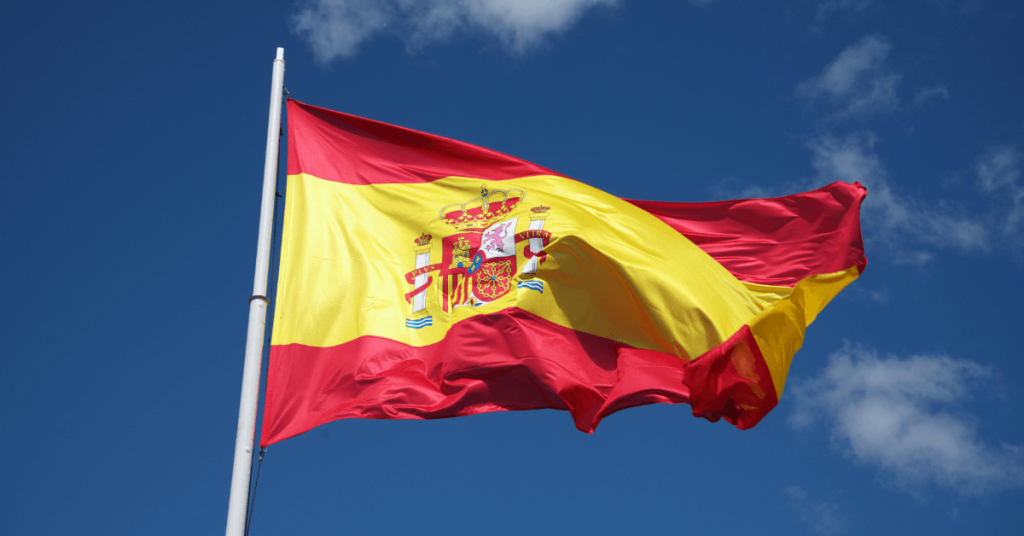
- Spain’s Ministry of Consumer Affairs has ordered the DGOJ to open a public consultation on banning celebrities and influencers from gambling advertising.
- The consultation runs until 22 June 2026 and also covers restrictions on welcome bonus promotions and organic search engine visibility for gambling operators.
- The push revives advertising rules first introduced in 2020 and later partially struck down by Spain’s Supreme Court in April 2024.
Spain has relaunched its bid to ban celebrities and social media influencers from gambling advertising.
The country’s Ministry of Consumer Affairs has directed the Directorate General for the Regulation of Gambling (DGOJ) to open a formal public consultation on sweeping reforms to Ley 13/2011, the country’s 15-year-old Gambling Regulation Act.
Legal background
The move is the latest chapter in a prolonged dispute over gambling advertising in Spain. When the original Royal Decree was enacted in 2020, it banned gambling sponsorships outright, limited TV and radio advertisements to a 5am-to-1am window, and prohibited the use of celebrities, influencers, and platforms such as YouTube in gambling promotions.
Those restrictions did not survive legal scrutiny. In April 2024, the Supreme Court partially annulled Royal Decree 958/2020, striking down the ban on celebrity endorsements and restrictions on welcome bonus promotions.
The court upheld an appeal by Jdigital, Spain’s online gambling trade association. It found that the Ministry of Consumer Affairs had bypassed key constitutional procedures and that the restrictions lacked sufficient legal basis.
Shortly after the ruling, Minister Pablo Bustinduy signalled the government would not accept the outcome. He indicated his intention to reintroduce and enhance the restrictions through legislative means, aiming to proceed on firmer legal footing.
What the consultation covers
Among the measures being considered are new rules governing the use of celebrities and influencers in gambling advertising. These sit alongside tighter restrictions on promotional bonus campaigns aimed at customer acquisition.
The proposals would also limit the visibility of gambling-related content in organic search results unless users are actively searching for betting or gambling products. The consultation is open to players, industry stakeholders, and organisations until 22 June 2026.
The DGOJ set out the broader intent of the reforms in its consultation notice:
“The reforms aim to strengthen controls, improve prevention, and provide more tools to combat illegal gambling. This will allow the law to better adapt to the digital environment, especially the growth of online gambling. Current regulations have been in effect for 15 years. The reform aims not only to update the legislation but also to broaden consumer protection.”
Combating the illegal market forms a central part of the rationale. A joint Jdigital and EY report published in November 2025 estimated that unregulated online gambling in Spain generated €231m in 2024, equivalent to 16% of the country’s regulated online gambling market.
Additional consumer protection measures are also in scope. The DGOJ is making a mandatory problem gambling detection algorithm compulsory for all operators, estimated to improve current detection rates by up to 10 percentage points.
Betting advertisements will also carry tobacco-style health warnings, one of which states that the probability of being a losing gambler is 75%.
Fundamental marketing restructuring
The consultation forms part of Spain’s broader Agenda 2030 strategy, alongside the country’s Safe Gambling Programme 2026–2030 and centralised deposit limits for online operators introduced last year.
For operators currently active in Spain, the stakes are significant. Should the DGOJ proceed to legislation after the consultation closes in June, brands relying on influencer partnerships for player acquisition will face a fundamental restructuring of their marketing strategies.
The outcome will be watched closely across Europe, where governments are pursuing similar restrictions, including Belgium, which recently opened an investigation into a high-profile ambassador deal in the online sector.
Do you have a story worth sharing?
Send it over to our editors!