Regulation roundup: funds frozen, ads banned and crypto rules tightened

From Brazil’s fund freeze powers to the UK’s second senior departure this year, regulatory markets across 9 jurisdictions shift in the last week of June.
A busy week for global gambling regulation. Brazil moves to cut off unauthorized operators at the payment rail. The UK Gambling Commission loses another senior figure. Ireland and Curaçao tighten AML and crypto standards. Alberta sets its advertising baseline ahead of a 13 July launch.
Here is what happened and what it means:
UK leadership gap
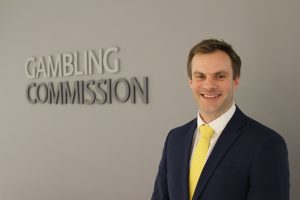
Tim Miller, Executive Director of Policy & Research at the UK Gambling Commission, will step down in September 2026 after ten years with the regulator. His exit follows former chief executive Andrew Rhodes, who left in April, making Miller the second senior departure this year. No successor has been confirmed. Miller plans to move into the private sector, working with organisations outside of the UK regulated market.
The Commission has simultaneously opened a formal feedback window for operators to propose reductions to administrative compliance burdens. Submissions close 25 September 2026, with an Operators Engagement Forum session on 2 July providing an early in-person discussion opportunity. Proposals touching on recently introduced White Paper reforms still under evaluation are excluded from the exercise. A licence fee increase of up to 30% is expected in October.
European moves
Ireland published a national risk assessment on 18 June alongside a 30-point AML action plan. Remote bookmakers now carry a “significant” money-laundering risk rating, the highest category on the scale, with the government citing their remote nature, use of pre-paid cards and a fragmented EU regulatory landscape as primary concerns.
The Gambling Regulatory Authority of Ireland (GRAI) is tasked with publishing crypto due diligence standards by Q2 2027, and operators will be required to implement closed-loop payment systems directing payouts to the same bank account used for deposits.
The Curaçao Gaming Authority published a crypto policy guideline requiring B2C licensees to deploy blockchain analytics, implement FATF Travel Rule compliance and maintain segregated wallets. Privacy coins including Monero and shielded Zcash transactions require specific policy treatment, and funds linked to sanctioned mixers are prohibited immediately. Full implementation, covering wallet segregation and audit-ready record-keeping, is required by June 2027.
Ukraine’s PlayCity regulator extended its social media enforcement to live-streaming platform Kick, establishing direct cooperation to remove channels promoting unlicensed gambling. In the past weeks, 37 accounts across TikTok, Instagram, Twitch and Kick were restricted, reaching a combined audience of more than 895,000 followers. Since launching its campaign, PlayCity has restricted 785 profiles in total.
In Georgia, five members of parliament have submitted draft amendments proposing a dedicated international online casino licensing category with a 5% GGR tax, against the standard 20% applied to domestic operators. Annual fees are set at GEL 100,000 (approximately $36,000), and Georgian nationals would be automatically blocked from all platforms licensed under the new framework.
Americas tighten grip
Brazil signed Decree No. 13,033 on 19 June, granting authorities the power to freeze and seize funds held by unauthorized betting operators. Banks, fintechs and payment institutions must freeze flagged accounts within 24 hours of formal notification, with confirmed seizures directed to the National Public Security Fund.
A companion ordinance extends joint tax liability to financial firms and advertisers that continue supporting unauthorized operators after formal notification. The government estimates between 41% and 51% of domestic betting activity still falls outside the regulated market.
Ecuador enacted secondary legislation in June requiring sports betting operators to pay an annual fee of 655 unified basic salaries (approximately $315,000). Applicants must demonstrate domicile and residence in Ecuador, obtain technical certification of their digital platforms and implement internal procedures covering customer identification and age verification.
Alberta formalised advertising restrictions on 18 June ahead of its 13 July iGaming market launch. The AGLC prohibits public advertising of bonuses and limits active and retired athletes to responsible gambling campaigns only. Grizzly’s Quest was removed from the AGLC registry after its cartoon bear and moose branding contravened standards designed to prevent appeal to minors, bringing the registered operator count to 46.
➡️Subscribe to our newsletter Headlines for weekly insights.
About the author
Bianca Máthe
Bianca Máthe is Publisher of iGaming Republic. She spent close to a decade on the supplier side of iGaming, working across the sector's core verticals: platform and player-engagement technology and crypto payments. That mix gave her a working knowledge of how operators, suppliers and payment providers actually run. In 2025 she started a media project, bringing that operational grounding to her editorial work. Her output includes interviews with high-profile iGaming executives, original reports, and in-depth features covering licensing, M&A, and the operators and suppliers shaping the sector. Based in Malta, she spends much of her time getting closer to emerging sectors like prediction markets, tracking how they're developing before the rest of the industry catches up.
Do you have a story worth sharing?
Send it over to our editors!