Georgia plans 5% tax for foreign online casinos
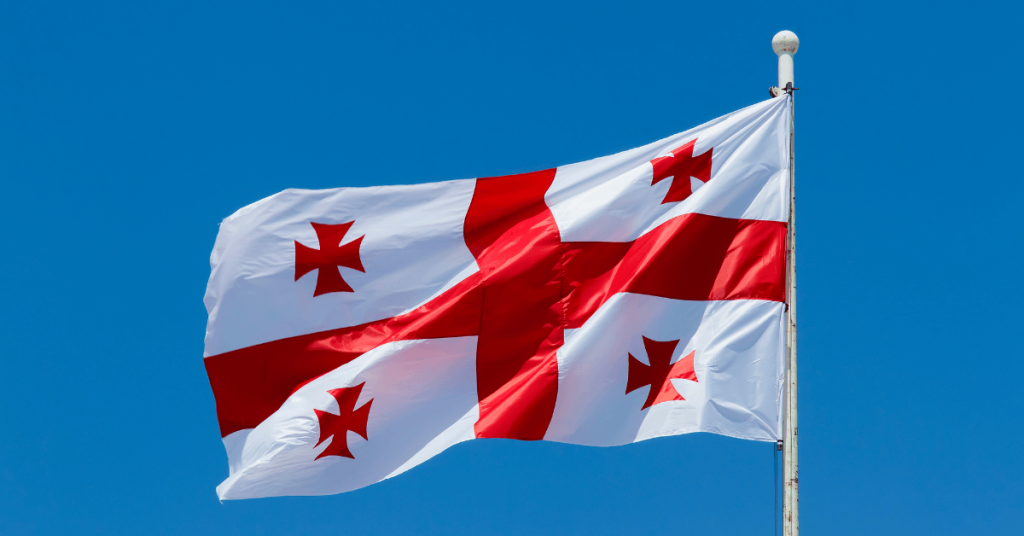
- 5 Georgian MPs have submitted draft amendments introducing a dedicated licensing category for international online gambling operators.
- A 5% GGR tax would apply to qualifying platforms, against the 20% rate levied on casinos serving Georgian citizens.
- Georgian nationals would be automatically blocked from all websites operating under the new international licensing framework.
The Georgian Parliament has initiated a legislative package that would create a dedicated licensing category for foreign-registered online gambling operators.
The draft amendments offer sharply reduced tax rates in exchange for restricting platform access entirely to non-Georgian players.
New licence category
The draft amendments to the Law on Lotteries, Gambling and Winning Games have been submitted and are scheduled for accelerated review. Five members of parliament are behind the initiative: Shota Berekashvili, Giorgi Barvenashvili, Tornike Berekashvili, Anton Obolashvili and Mariam Lashkhi.
The proposal creates a new category of systemic-electronic licences covering the international organisation of slot machine and totalisator games. Three separate permit categories would span online casino products, slot machine games and sports betting services, each directed exclusively at international customers.
The framework is designed to encourage operators registered abroad to enter the Georgian market directly. The existing December 2024 reform enabled Georgian-registered companies to serve foreign players at a preferential rate, but required domestic incorporation. This new category removes that requirement.
The defining structural feature is access control. Platforms operating under the new international licence would be restricted to foreign citizens and stateless persons. Georgian nationals would be automatically blocked from all websites within the framework.
Fees and tax structure
Operators qualifying for international status would face a 5% gross gaming revenue (GGR) tax, calculated on the difference between wagers collected and winnings paid. The draft positions this against the 20% GGR rate applied to standard online casinos serving Georgian citizens.
Each international permit would carry a 5-year term and an annual fee of GEL 100,000, approximately $36,000 at current exchange rates. That is a significantly lower entry point than the GEL 5,000,000 annual fee attached to a standard Georgian online casino permit. Violations of licence conditions or late payment of fees would attract a fine of GEL 20,000.
The bill also tightens domain rules. The December 2024 reform expanded operators to two websites per permit. The draft would reduce this to one domain per licence within the new international framework, with a transitional period for existing permit holders covering the remainder of their current validity.
Investment rationale
The explanatory note accompanying the draft frames the reform around two goals: protecting Georgian citizens from gambling-related harm and generating economic returns through foreign participation.
Legislators point to expected growth in foreign direct investment, expansion of the services sector, and the entry of skilled technology and digital marketing professionals into the country. Additional state budget revenues are also cited as a projected outcome.
The strategy has parallels in other markets. Estonian MPs have proposed cutting their remote gambling rate to 4% to position the country as a low-tax alternative to Malta and Curaçao. Georgia’s approach differs in one key respect: player nationality is written into the licence restriction from the outset, creating a structurally ring-fenced export product rather than a general competitive rate.
The cost differential is significant for operators currently weighing established jurisdictions. MGA licensing in 2026 involves substantially higher annual fees and compliance overhead.
Georgia’s proposed GEL 100,000 annual fee represents a materially lower barrier, at a moment when 50 operators are simultaneously queuing for Finland’s newly opened licence process, showing the growing appetite among international operators for new regulated entry points.
Do you have a story worth sharing?
Send it over to our editors!