Minnesota sweepstakes ban bill dies without House vote
- Senate File 4474 passed the Minnesota Senate 62-3 on April 30 but received no House floor vote before the session closed on May 18.
- The bill would have codified a statutory ban on dual-currency sweepstakes casino platforms.
- Minnesota joins Maryland and several other states where 2026 sweepstakes casino bills have not yet reached the governor’s desk.
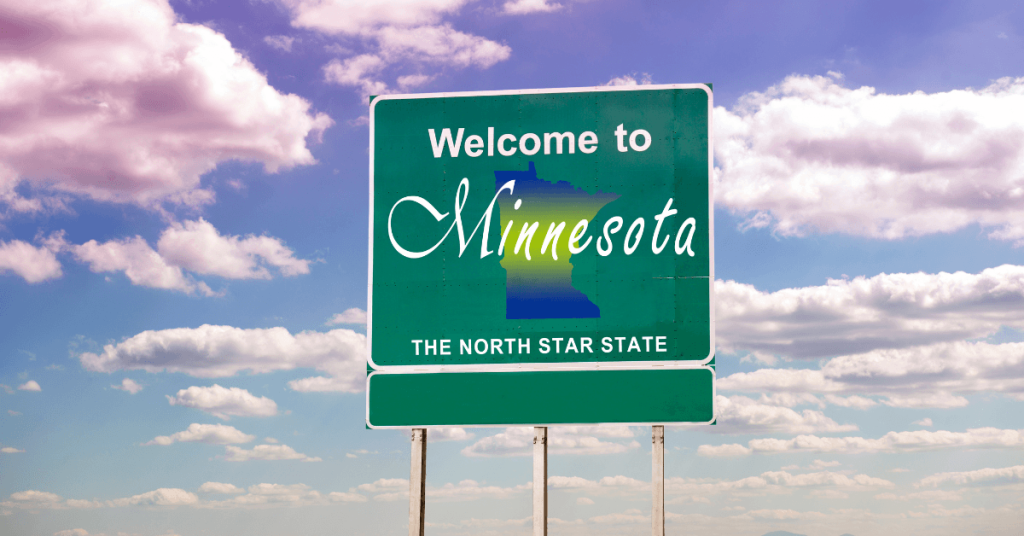
Minnesota’s bid to ban online sweepstakes casinos has collapsed after the state’s 2026 legislative session closed on May 18 without the House acting on Senate File 4474.
The bill passed the full Senate 62-3 on April 30 but saw no further action after a House committee assignment on May 4, leaving the proposed statutory ban unenacted while enforcement continues under existing law.
What the bill covered
Sweepstakes casinos operate using a dual-currency model. Players receive or purchase one type of virtual currency for entertainment and acquire a second type, typically distributed free through promotions or bundled with purchases, which can be redeemed for cash prizes.
Critics argue the model simulates casino-style gambling while sidestepping state licensing requirements.
SF 4474 would have prohibited online sweepstakes games built around that dual-currency system. The bill also extended to third-party service providers, including financial institutions, payment processors, geolocation providers, gaming content and platform providers, and media affiliates supporting sweepstakes platforms.
Supporters, including tribal casino operators, the Minnesota Indian Gaming Association, the Minnesota Family Council, and the Minnesota Catholic Conference, argued the platforms operated as unlicensed online casinos outside the state’s regulatory framework.
Opponents warned the language could be broad enough to affect legitimate promotional sweepstakes and loyalty reward programs, though bill sponsors said they intended to preserve those.
The bill advanced through multiple Senate committees and was approved as a late bill to remain eligible despite procedural deadlines. On April 30, the Senate also voted to restrict most wagers on prediction market platforms.
Neither measure made it through the House before the session closed.
Timing proved fatal
SF 4474 was filed on March 17, arriving late in a session that had begun on February 17. Supporters were forced to move it through the Senate on a compressed schedule, and once assigned to a House committee on May 4, there were only two weeks before the session deadline.
Only the governor can call a special session, and there is no indication Gov. Tim Walz plans to do so. The enhanced civil penalties contemplated in SF 4474 will remain off the books for at least another year.
Minnesota’s attorney general had already moved against the sector ahead of the session. In November 2025, AG Keith Ellison sent letters to 14 offshore casino and sweepstakes operators directing them to stop accepting Minnesota customers, warning that their sites violated state gambling and consumer protection laws.
SF 4474 would have transformed that enforcement posture into law.
A growing national wave
Indiana banned sweepstakes casinos outright in March, with Gov. Mike Braun signing House Bill 1052 into law on March 12. The Indiana Gaming Commission can levy fines of up to $100,000 per violation from July 1.
The industry’s trade group, the Social Gaming Leadership Alliance, opposed the ban and pushed instead for a regulated framework it said could generate more than $20 million annually in state tax revenue.
Sean Ostrow, Managing Director at Social Gaming Leadership Alliance, said:
“We are disappointed that HB 1052 has become law, but are grateful to the many Indiana lawmakers who engaged thoughtfully on the merits of regulating this long-standing industry. Despite the outcome, the legislative record shows meaningful bipartisan support for a smarter approach that embraces innovation and economic growth.”
Maine followed in April, with its ban taking effect 90 days after the session adjourned.
Tennessee enacted a prohibition on May 22, when Gov. Bill Lee signed Senate Bill 2136 into law, making it the third state to act in 2026. The law targets platforms replicating slot-style games, table games, bingo, video poker, and lottery products through virtual or multi-currency systems and took effect immediately.
AG Jonathan Skrmetti had sent cease-and-desist letters to nearly 40 sweepstakes casino operators in December 2025, prompting major platforms including Chumba Casino, McLuck, and Stake.us to exit the state before the bill was even signed. Skrmetti said in a December 2025 press release:
“The only thing you can be sure about with an online sweepstakes casino is that it’s going to take your money. They work hard to make these sweepstakes casinos look legitimate, but at the end of the day they are not.
“They avoid any oversight that could ensure honesty or fairness. Our Office was glad to chase these shady operations out of Tennessee and will keep working to protect Tennesseans from illegal gambling.”
Oklahoma’s ban passed after the legislature overrode Gov. Kevin Stitt‘s veto, with the Senate voting 34-10 and the House 68-19. It takes effect on November 1, 2026.
Louisiana went further, bringing sweepstakes gaming within the state’s anti-racketeering statutes, potentially exposing operators, payment processors, and affiliates to prosecution.
Iowa stopped short of a full ban. Gov. Kim Reynolds signed Senate File 2289 on May 15, giving the Iowa Racing and Gaming Commission authority to issue cease-and-desist orders and seek injunctive relief against unlicensed sweepstakes operators from July 1.
Minnesota now joins Maryland and several other states where 2026 sweepstakes casino bills have not yet reached the governor’s desk. Maryland’s bill advanced but failed to clear the Senate.
Minnesota’s SF 4474 bill could return in the 2027 session, but with the attorney general’s enforcement posture already active and bans enacted across Indiana, Maine, Tennessee, Oklahoma, and Louisiana, operators in the state face a narrowing medium-term outlook.
Do you have a story worth sharing?
Send it over to our editors!