Michigan Gov. Whitmer proposes iGaming and sports betting tax hikes in final budget
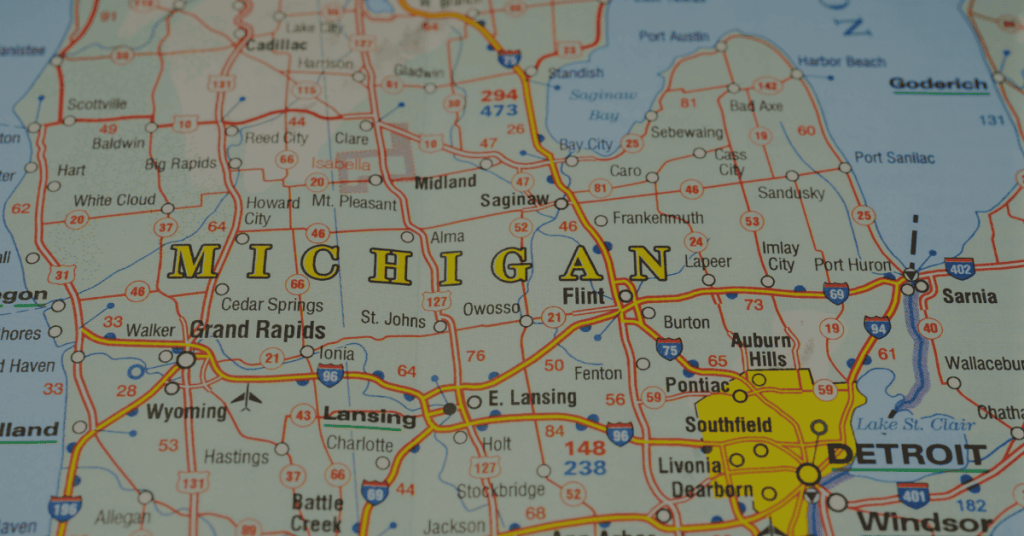
- Michigan Gov. Gretchen Whitmer’s $88.1 billion FY2027 budget proposes nearly $200 million in new online gambling taxes to fund Medicaid.
- The plan raises the iGaming tax ceiling from 28% to 36% for the largest operators and introduces a per-wager sports betting surcharge modeled on Illinois.
- House Republicans rejected the proposals before the budget was formally presented, setting up a contentious negotiation ahead of a July 1 legislative deadline.
Michigan Gov. Gretchen Whitmer unveiled her final state budget on Wednesday (February 11), targeting the iGaming and sports betting sector for nearly $200 million in new annual revenue.
The $88.1 billion fiscal year 2027 proposal directs those proceeds toward Medicaid as the state grapples with a $1.8 billion funding gap. Rising healthcare costs, reduced federal support, and the fiscal impact of the federal “One Big Beautiful Bill Act” are the primary drivers of that shortfall, according to State Budget Director Jen Flood.
A market built for taxation
Michigan operates the largest iGaming market in the United States. In 2025, the state’s commercial and tribal operators reported $2.9 billion in iGaming adjusted gross receipts (AGR). Combined iGaming and sports betting AGR reached $3.3 billion for the year.
Total gross receipts across both verticals came to $3.8 billion, on a handle of $5.4 billion — a 39.5% increase in combined AGR over 2024, according to the Michigan Gaming Control Board (MGCB). That scale made the sector an appealing revenue source for a governor in her eighth and final term.
The budget’s centerpiece gambling measure is a new tiered iGaming tax rate. Operators currently pay progressive rates from 20% to 28%, with the maximum applying once monthly AGR exceeds $12 million. Whitmer proposes a new ceiling of 36% for any operator whose annual AGR exceeds $185 million.
Only three licensees — FanDuel, BetMGM and DraftKings — reached that threshold in 2025, according to state budget briefing papers. The MGCB projects the new rate would generate $135.5 million in FY2027.
By comparison, Pennsylvania generated 10% less in iGaming revenue than Michigan in 2025, yet paid roughly 50% more in taxes. Budget papers note the proposed 36% ceiling remains well below the 54% Pennsylvania levies on online slots.
The Illinois blueprint applied to Michigan
The second major change targets sports betting operators through a per-wager surcharge. Sportsbooks would pay 25 cents for each of their first 20 million accepted bets per year. That rate doubles to 50 cents for every wager beyond that threshold. The State Budget Office projects the charge would generate $38.8 million in FY2027 for the Medicaid Benefits Trust Fund.
Michigan’s current sports betting tax rate of 8.4% ranks 28th out of 30 states with legal wagering. It is also the lowest among neighboring states, according to state budget briefing papers. Illinois enacted an identical per-wager fee structure in 2025, the first of its kind in the United States.
The Illinois experience provides important context. After the fee took effect, sportsbooks in that state recorded volume declines exceeding 15% in September, October, and November 2025. December saw a drop of nearly 25% — the sharpest contraction since the tax was enacted.
Whitmer also proposes eliminating the free-play deduction, which allows sports betting providers to deduct promotional wagers from their taxable base. That change is projected to generate a further $21.1 million in new revenue.
Republican resistance and industry pushback
The proposals met immediate opposition from both the GOP and the gaming industry.
House Speaker Matt Hall, R-Richland Township, held a press conference before the budget was formally presented. He told reporters his chamber would not support any form of tax increase — on internet gaming, tobacco, vaping products, or otherwise — as part of a final budget agreement.
The Sports Betting Alliance (SBA), whose members include FanDuel, DraftKings, BetMGM, and Fanatics, was equally direct.
“Instead of strengthening the legal market, Whitmer’s tax hikes encompass new per-bet taxes and dramatically higher iGaming rates that will raise prices for Michiganders and make it harder for legal operators to compete,” the SBA said in a statement to SBC Americas.
“Let’s be clear: the only people cheering today are the illegal and unregulated operators that don’t seek licenses, don’t follow state rules, operate in the shadows and aggressively target Michigan consumers without paying a dime in taxes or investing in responsible gaming protections.”
Budget Director Jen Flood defended the plan in full.
“This is a budget that helps Michiganders save money, improves student literacy, protects access for health care, and sets Michigan up for long-term success,” said Flood.
A nationwide pattern
Michigan is not alone in turning to gambling revenues to fill budget gaps. Arizona Gov. Katie Hobbs proposed raising her state’s sports betting tax rate from 10% to 45% for operators processing $75 million or more in monthly handle. West Virginia lawmakers have also introduced legislation in January 2026 to raise betting taxes from 10% to 25%.
To become law in Michigan, the budget must secure approval from both the Democratic-controlled Senate and the Republican-controlled House. State law requires a final budget by July 1. Each chamber will pass its own version of the budget bills before reconciliation negotiations begin in the months ahead.
For licensed iGaming and sports betting operators in Michigan, the outcome of those negotiations will carry material consequences. Even a modified version of Whitmer’s proposals could reshape the tax structure of the country’s largest online casino market.
The experience in Illinois — where per-wager fees produced a measurable pullback in wagering volume — suggests that operators will closely scrutinize any final agreement before adjusting pricing, promotional strategies, and their long-term market exposure in the state.
Michigan market: recent developments
The tax debate arrives against a backdrop of significant market activity over recent months.
In December 2025, Hard Rock Bet entered Michigan with a combined online sportsbook and casino, operating in partnership with the Hannahville Indian Community’s Island Resort & Casino. The MGCB-approved launch replaced the Sports Illustrated-branded platform previously run by Evoke, formerly 888 Holdings, which exited the US B2C market. The rollout made Michigan Hard Rock Bet’s 10th sports betting state and its second active online casino market in the country.
Also in November 2025, DraftKings set a new US record by paying a $22.4 million jackpot to a Michigan player — the largest online casino payout in American history. The win came from a single $0.20 spin on the Huff N’ Even More Puff slot, developed with Light & Wonder. It more than doubled DraftKings’ own previous record of $9.28 million, set earlier in 2025.
On the enforcement side, the MGCB issued cease-and-desist orders to 12 offshore operators in December 2025, targeting unlicensed platforms including BetPhoenix, Betnuvo, and 31 Bets Casino. The action formed part of a broader crackdown that saw the regulator pursue more than 50 unlicensed operators throughout the year.
The MGCB also tightened sports betting integrity oversight in November, following federal indictments linking NBA players and coaches to an organized crime gambling scandal. The regulator reinforced mandatory integrity monitoring for all licensed operators, restricted wager types prone to manipulation, and strengthened prohibitions on insider betting.
Do you have a story worth sharing?
Send it over to our editors!