Michigan iGaming and sports betting hits record $3.8B in 2025
- Michigan’s combined iGaming and sports betting gross receipts totalled $399.8 million in December 2025, up 19.1% from November.
- iGaming gross receipts hit an all-time high of $315.8 million, surpassing October’s previous record of $278.5 million.
- Annual revenue for 2025 reached $3.8 billion, a 29.5% increase compared to 2024.
Michigan’s commercial and tribal gambling operators concluded 2025 with strong December performance, reporting combined internet gaming and sports betting gross receipts of $399.8 million.
December performance sets new records
December’s iGaming gross receipts of $315.8 million established a new monthly high, surpassing October’s $278.5 million. Adjusted gross receipts (AGR) reached $296.74 million, up 27.2% from November and 35.1% year-over-year.
Internet sports betting generated $84 million in gross receipts for December, down from November’s $87.3 million. Sports betting AGR totalled $61.13 million, a 5.6% monthly decrease, though December 2024 to December 2025 grew by $60.9 million. Total sports betting handle reached $512.9 million, down 18.7% from November’s $631.1 million.
Operators submitted $66.3 million in taxes to the state during December: $62.1 million from iGaming and $4.2 million from sports betting. The three Detroit casinos paid the city $15.2 million in wagering taxes and municipal services fees. Tribal operators made $8.5 million in payments to governing bodies.
2025 annual results show substantial growth
Combined gross receipts totalled $3.8 billion for 2025: $3.1 billion from iGaming and $671.3 million from sports betting, marking a 29.5% increase over 2024.
Annual AGR reached $3.3 billion, with iGaming contributing $2.9 billion and sports betting adding $435.9 million, representing 39.5% growth year-over-year. Total handle reached $5.4 billion.
The state collected $624.6 million in taxes during 2025: $597.5 million from iGaming and $27.1 million from sports betting. Detroit received $161.4 million from its three casinos, whilst tribal operators made $71.9 million in annual payments to governing bodies.
Market expansion and notable wins
The strong iGaming performance follows recent market developments, including Hard Rock Bet’s December launch in partnership with Island Resort & Casino and the Hannahville Indian Community. Hard Rock Bet replaced the previous Sports Illustrated brand after operator Evoke (formerly 888 Holdings) withdrew from U.S. B2C operations.
In November, DraftKings paid a record $22.4 million jackpot to a Michigan player on a $0.20 spin, marking the largest online casino payout in U.S. history. The win on the Huff N’ Even More Puff slot more than doubled the previous U.S. record.
As of December 2025, 15 operators have authorization to offer iGaming and sports betting in Michigan. Currently, 12 operators offer sports betting and all 15 provide iGaming.
Regulatory oversight and integrity measures
MGCB maintained active oversight throughout 2025. In November, the regulator reinforced sports betting integrity measures following an NBA gambling scandal involving organized crime. Executive Director Henry Williams emphasized mandatory integrity monitoring and restrictions on insider betting.
In October, MGCB warned licensed operators that participation in sporting event contracts offered by prediction markets could jeopardize state licenses. The warning targeted commercial casinos, internet gaming operators, and sports betting providers as national operators including DraftKings and FanDuel considered entering the prediction market space.
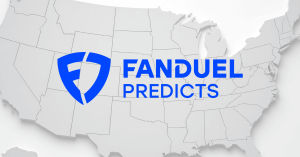
FanDuel Predicts recently launched in all 50 states, offering sports-focused markets in 18 jurisdictions, though regulatory pushback continues in multiple states.
Michigan’s market demonstrates continued expansion nearly four years after launch. The December iGaming record and annual tax collections approaching $625 million position the state as a case study for jurisdictions considering similar legislation.
As regulatory frameworks evolve to address emerging products like prediction markets, Michigan’s oversight approach balances market innovation with consumer protection and revenue generation.
Do you have a story worth sharing?
Send it over to our editors!