Lula targets betting industry in reelection campaign
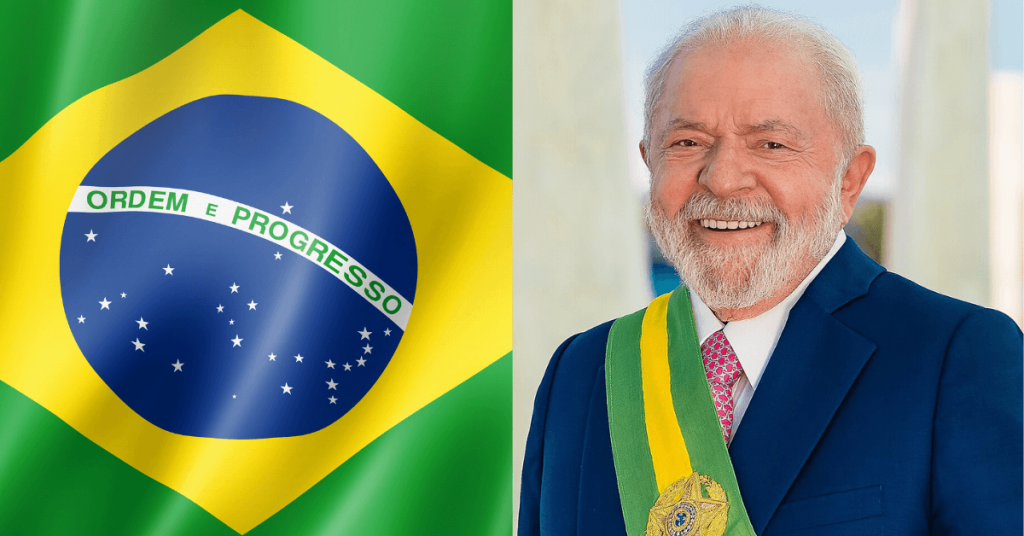
- Brazilian President Luiz Inácio Lula da Silva has pledged to make ending online betting a central reelection promise, branding the platforms a social disease.
- Speaking on state television on 22 May, Lula acknowledged constitutional limits on his authority but said he will use the campaign trail to push for a full industry shutdown.
- The president also confirmed advertising restrictions on betting operators will be tightened during his administration.
Brazilian President Luiz Inácio Lula da Silva has escalated his anti-gambling stance, telling a national television audience on 22 May that he intends to campaign on shutting down online betting platforms ahead of the October general election.
Speaking on TV Brasil’s Sem Censura program, the 80-year-old president framed Brazil’s regulated betting market as a social and financial burden on families, calling for tighter controls across the industry.
Campaign pledge
Lula was clear about his personal position, though stopped short of a binding policy commitment. Luiz Inácio Lula da Silva, speaking to InfoMoney, said:
“If it depends on the will of the President of the Republic, I will say during the campaign: I am in favour of ending all those bets that are not providing any useful service to this country.”
He also addressed why he signed the betting regulation law in the first place. Any presidential veto of the legislation passed by Congress would likely have been overturned.
Constitutional limits
Lula acknowledged the executive cannot act alone. He said:
“It’s not up to me; I don’t own Brazil. Just as I say that [Donald] Trump doesn’t own the world, I don’t own Brazil. I am the President of the Republic. I am part of a tripartite system of institutions that governs the country. There is the National Congress and there is the judiciary.”
The Workers’ Party does not hold a majority in either chamber of Congress, meaning meaningful legislative change requires cross-party negotiation. A ban bill filed in April by Deputy Pedro Uczai, backed by 68 PT lawmakers, has already faced a difficult path in committee.
Advertising and illegal operators
On advertising, Lula confirmed his administration intends to tighten rules. He said:
“Everyone must be treated equally. What is illegal in everyday life must also be illegal in any other context.”
The president stated the government had shut down more than 90% of illegal betting operations. The figure refers to domain blocks; illegal operators continue to reappear under new domains, which accounts for why a significant share of market activity is still thought to occur outside the licensed framework.
The government has also said it does not plan to authorise additional operators before the end of the year while the Ministry of Finance continues to evaluate the market.
Industry pushback
The Brazilian Institute of Responsible Gaming (IBJR) has warned that reversing regulation would drain tax revenues needed for social development and push bettors toward unlicensed platforms.
The licensed sector contributed BRL 9.95 billion in tax in 2025, with the total operator burden projected to reach 42% of GGR by 2033.
A study commissioned by the IBJR from LCA Consultoria Econômica found gambling accounts for just 0.46% of total household consumption, with default rates rising consistently since 2021, predating the regulated market’s January 2025 launch.
What a ban would mean
A successful ban would trigger immediate constitutional challenges. Lula himself signed the betting regulation law in January 2024, creating a legal inconsistency opponents would take before the Supreme Federal Court, where the industry has already defended the law’s constitutionality.
The fiscal cost would be substantial. Licensed operators contributed BRL 9.95 billion in tax in 2025 alone. The SPA has explicitly warned that an outright ban would push demand to the illegal market rather than eliminate it.
The unlicensed sector already costs Brazil an estimated BRL 10.8 billion annually in lost tax revenue, and consumers would lose the responsible gambling protections, fraud safeguards and sports integrity measures that exist only within the licensed framework.
Enforcement would also be a significant obstacle. Even with domain blocks covering more than 90% of illegal sites, around half of all market activity is still thought to occur outside licensed channels. Brazil’s market generates more than $4 billion annually, one of the largest in the world, and operators maintain deep sponsorship ties across major soccer clubs and media outlets.
Politically, the pledge carries credibility risk if it fails to clear Congress. Brazil would become a rare example of a country repealing gambling legislation just 15 months after its regulated market launched, a reversal that could damage investor confidence and regulatory credibility across Latin America.
Election context
The Sem Censura appearance is the latest in a series of attacks on the industry as Lula shapes his reelection platform. His campaign has framed online betting alongside billionaires and banks as targets for the PT government if returned to office in October.
Lula concluded:
“Gambling is a disease, an addiction.”
With the formal campaign period approaching, advertising restrictions and access limits for financially vulnerable groups look set to advance regardless of any broader ban proposals. For operators with Brazil exposure, Lula’s continued escalation points toward an uncertain regulatory landscape, even as the licensed market produces record tax revenues.
Keep Reading
Do you have a story worth sharing?
Send it over to our editors!