President Lula wants to shut down betting
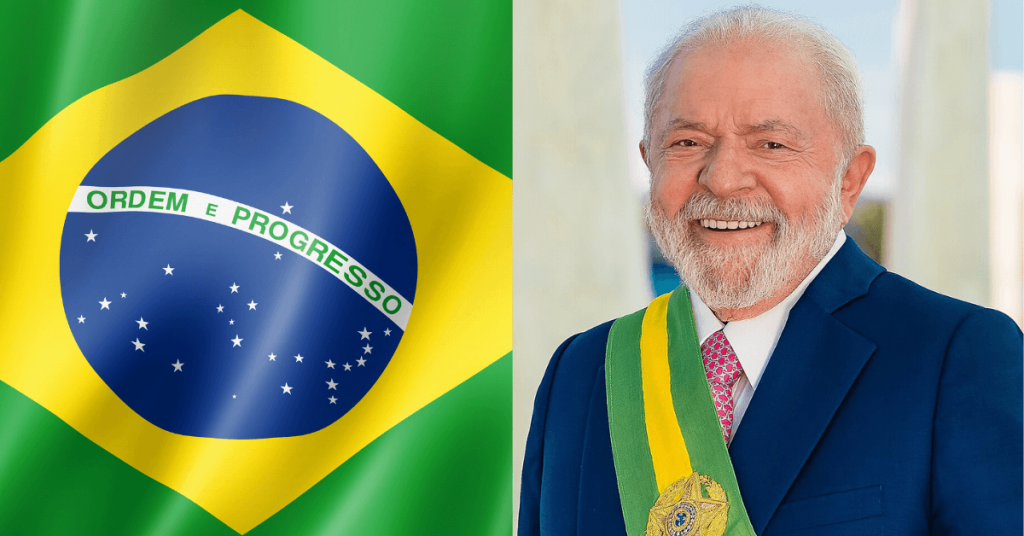
- Brazilian President Luiz Inácio Lula da Silva has said he would shut down all online sports betting platforms, describing the industry as a cause of a “massive tragedy” for families.
- The comments escalate his March 2026 call to ban online casinos, despite his own government legalizing fixed-odds betting in December 2023.
- Any ban would require congressional approval, which analysts say is unlikely given the industry’s financial ties to lawmakers and political parties.
Brazilian President Luiz Inácio Lula da Silva has called for a full shutdown of the country’s online sports betting industry, telling ICL Notícias on Wednesday that he would close all platforms if the decision were his to make.
Brazil’s online betting market generates revenues estimated at more than $4 billion per year, making it one of the largest in the world.
A president-made problem
The statement marks a sharp escalation from Lula’s March 2026 remarks, when he focused his criticism on online casino platforms. Lula signed the law legalizing online betting in December 2023, and Brazilians now spend up to R$30 billion (~$5.8 billion) per month on bets.
In the ICL Notícias interview, Lula said online gambling had caused a “massive tragedy” for millions of families. He stated:
“If it is up to me, we close them. I am deeply worried about the indebtedness of the Brazilian people. If these platforms cause harm, why don’t we end them? We are discussing this very seriously.”
Central Bank data showed Brazilians transferring between R$20 billion and R$30 billion per month to betting platforms via the Pix instant-payment system by early 2025.
Five million Bolsa Família welfare recipients sent R$3 billion to gambling platforms in a single month. Figures published in March by a Brazilian commerce and services confederation show more than 80% of the country’s families carry some debt, the highest figure since 2010.
Industry pushes back
The licensed sector has pushed back hard, arguing that a ban would achieve the opposite of its stated goals.
Industry critics contend that regulation under Law No 14,790/2023 was designed precisely to bring an already-active offshore market under supervision, and that prohibition would simply drive players back to unlicensed operators.
Any ban would also trigger significant legal and financial consequences. The regulated market generated BRL1.03 billion in federal tax revenue in February 2026 alone, a 47% year-on-year increase, and a shutdown would cut off that income stream entirely alongside opening the government to a wave of litigation from licensed operators.
Congressional hurdle
Lula acknowledged that any move would require approval from lawmakers, many of whom are allies of betting companies. A full ban would require congressional approval.
His administration introduced regulations on betting companies in 2025 after blocking several the year before, and is now seeking to impose higher tariffs on top of the current 12% gross revenue rate.
A bill introduced in March also sought to ban cashback offers, rewards programs and gamification in the licensed market, signaling a broad appetite for tighter restrictions across both the legislative and executive branches.
Wednesday’s statement came on the same day Lula confirmed he will send Congress legislation to end the 6×1 work schedule, another populist measure aimed at workers ahead of the October 2026 presidential election.
For operators holding Brazilian licenses, the regulatory picture is growing increasingly volatile. Even if an outright ban remains a remote prospect, the continued escalation of presidential rhetoric adds to an environment of uncertainty that could dampen M&A activity and future investment in one of the world’s fastest-growing regulated markets.
Do you have a story worth sharing?
Send it over to our editors!