Indiana sweepstakes ban faces final legislative hurdle
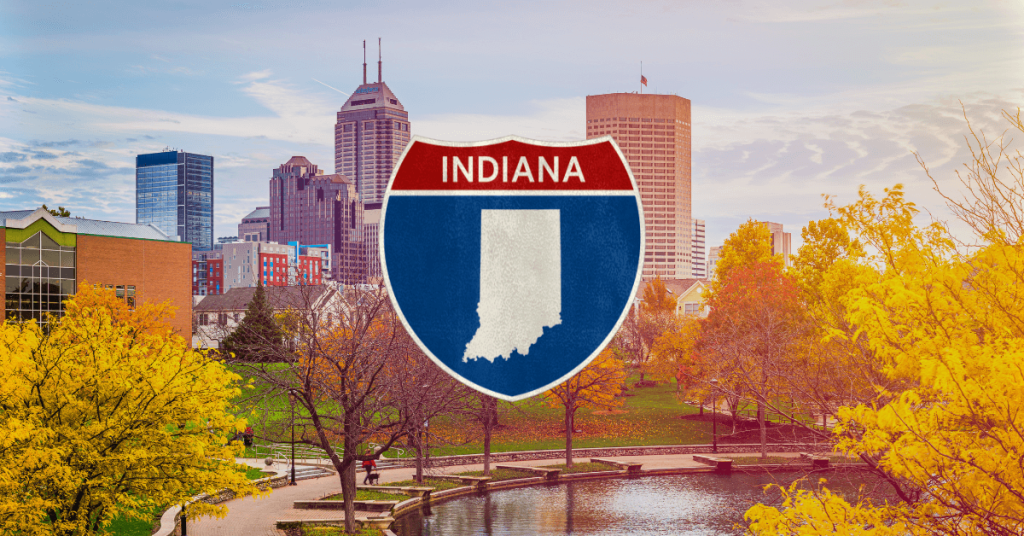
- The Indiana Senate passed House Bill 1052 by a 37-8 vote, advancing a ban on online sweepstakes casinos.
- The House dissented from the Senate’s amendments on February 18, triggering a conference committee process.
- Indiana could formally ban sweepstakes casinos if the conference committee resolves differences and Gov. Mike Braun signs the bill before the session ends on February 27.
Indiana’s push to outlaw online sweepstakes casinos entered a new phase this week after the state Senate passed an amended version of House Bill 1052 and the House moved to dissent from those changes.
The Senate passed the bill at its third reading on February 17, with 37 yeas and 8 nays. The amended bill was enrolled on February 18, but the House filed a motion to dissent from the Senate’s changes on the same day. On February 19, House advisors were signalling that a conference committee process is now underway.
The bill must be reconciled and approved by both chambers before it can reach the desk of Governor Mike Braun. Indiana’s legislative session adjourns on February 27, leaving a narrow window to finalise the legislation.
HB 1052, introduced by Representative Ethan Manning, is a broad administrative measure. Its most consequential gaming provision creates a formal statutory definition of a “sweepstakes game” under Indiana law and authorizes the Indiana Gaming Commission (IGC) to act against operators running such platforms.
What the bill covers
Under the Senate-amended text, a sweepstakes game is defined as an online contest or promotion that operates through a dual or multi-currency system. Players spend one form of currency for a chance to win cash, cash equivalents, or entries into prize draws.
The definition expressly covers games that simulate lottery draws, slot machines, video poker, table games, bingo, and sports wagering. The bill authorizes the IGC to impose civil penalties of up to $100,000 on operators or individuals who knowingly use the internet to conduct sweepstakes games. This includes out-of-state parties involved in transactions with a person located in Indiana.
A notable carve-out was added during Senate consideration. An amendment offered by Senator Kyle Walker clarifies that peer-to-peer skill-based poker games are not considered sweepstakes games under the new law.
The distinction rests on the mechanics of the game: sweepstakes are chance-based contests where the player competes against the “house,” while peer-to-peer poker is a skill-based format in which players compete against each other. State lottery games are also explicitly excluded from the bill’s scope.
Debate ran through both chambers
The bill’s path was not without friction. An amendment that would have regulated and taxed sweepstakes operators instead of banning them was explored during Senate committee consideration.
Public Policy Chairman Senator Ron Alting noted that resistance was strong in both chambers, especially among leadership, leaving the ban as the chosen path forward.
The Social Gaming Leadership Alliance (SGLA), which represents several major sweepstakes operators, pushed back throughout the legislative process. Managing Director Sean Ostrow commented at a January hearing:
“Rather than a ban that would criminalize law-abiding businesses while doing nothing to stop illegal operators, we believe sensible regulation is the pragmatic pathway forward,” Ostrow said.
The IGC itself supported the prohibition. Its representatives told lawmakers that, under current state law, sweepstakes casinos are not operating illegally in Indiana but are in favor of a total ban. Bill sponsor Manning also acknowledged the legal grey zone.
“They’re not breaking any current laws. But if we don’t pass the prohibition, then we’re effectively saying we’re okay with the sweepstakes casinos continuing to operate as they are today, even though this legislature has been unable to pass iGaming and make that policy statement,” said Manning at a House hearing.
Indiana joins a national wave
Indiana’s push is part of a broader legislative trend. Six states banned sweepstakes casinos in 2025, including California, New Jersey, and New York. Multiple states are pursuing further restrictions in 2026.
Tennessee, for example, introduced its own prohibition proposals in January — House Bill 1885 and companion Senate Bill 2136 — both of which define sweepstakes gaming as illegal gambling.
Tennessee’s efforts follow enforcement action by that state’s attorney general. Tennessee Attorney General Jonathan Skrmetti commented in a December statement:
“The only thing you can be sure about with an online sweepstakes casino is that it’s going to take your money,” Skrmetti said.
Illinois has pursued an enforcement route rather than legislation, with the Illinois Gaming Board issuing 65 cease-and-desist letters to operators in February. Most platforms, however, appear to have continued operating in the state regardless.
What happens next
As of February 20, no conference committee report has been filed on HB 1052.
The House advisors appointed on February 19 must now work with Senate counterparts to reconcile the two versions of the bill. If a conference committee report is agreed upon and receives majority votes in both chambers, the bill can proceed to Governor Braun for his signature.
If lawmakers reach agreement and the governor signs the measure into law, it would take effect in July, positioning Indiana among the first states in 2026 to enact a formal prohibition on sweepstakes casinos rather than attempt to regulate the sector.
With just days remaining in the legislative calendar, the outcome of the conference committee process will determine whether Indiana crosses the finish line this session or must revisit the issue in 2027.
Do you have a story worth sharing?
Send it over to our editors!