Official: New York bans sweepstakes casinos
- Governor Kathy Hochul has signed Senate Bill 5935A, immediately banning online sweepstakes casinos and sportsbooks that use dual-currency models across New York.
- The law extends to affiliates, payment processors and other service providers, and builds on more than twenty cease-and-desist actions already taken by the Attorney General.
- New York now joins a growing list of U.S. states that have legislated against dual-currency sweepstakes casinos, against a backdrop of ongoing lawsuits challenging similar models.
New York law takes immediate effect
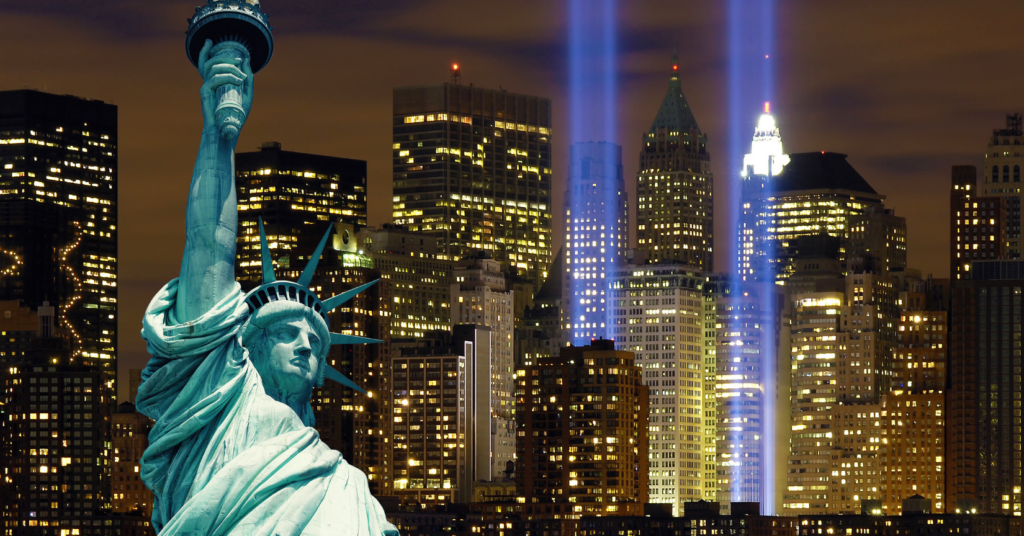
New York has officially banned online sweepstakes casinos and sportsbooks after Governor Kathy Hochul signed Senate Bill 5935A into law, making the platforms illegal statewide with immediate effect.
The move closes the decision window that had originally run until 31 December and converts what was a pending measure into enforceable law.
The statute prohibits the operation, conduct and promotion of online sweepstakes games in New York, with fines ranging from $10,000 to $100,000 per violation and potential loss of gaming licences. There is not transition period, effects are immediate.
Operators such as Novig and ProphetX have already begun blocking New York users through email notifications, leaving players facing sudden loss of access, uncertain account balances, and unresolved redemption issues.
Online sports betting operators licensed by the New York State Gaming Commission remain legal and unaffected by this latest development.
Dual-currency systems and support services banned
SB 5935A targets dual-currency internet games where one virtual currency is redeemable for cash or prizes, covering virtual slots, table games, bingo and sports wagering formats.
The New York State Gaming Commission is empowered to define dual-currency systems and regulate operators, service providers and affiliates that interact with these products.
The law also prohibits banks, payment processors, geolocation providers, media outlets and affiliates from knowingly supporting banned sweepstakes platforms. This secondary liability framework is intended to cut off key infrastructure for operators attempting to serve New York customers without a licence.
Enforcement record and industry pushback
Enforcement will be shared between the Gaming Commission, State Police and the Attorney General’s Office, now underpinned by clear statutory authority.
Attorney General Letitia James has already issued more than twenty cease-and-desist letters, prompting major brands such as Chumba Casino, LuckyLand Slots and Global Poker to halt activity or withdraw from New York.
Industry groups including the Social Gaming Leadership Alliance had previously urged Hochul to veto the bill, citing concerns over unclear enforcement lines, possible federal pre-emption and unintended effects on promotions.
Jeff Duncan, the Executive Director of the Social Gaming Leadership Alliance, and a former Republican congressman, commented:
“By advancing legislation that was drafted based on a fundamental misunderstanding of our industry and aggressively promoted by stakeholders with a competitive interest in shutting down these platforms, New York residents could lose access to popular, free-to-play online games enjoyed by millions,” said Duncan.
It remains to be seen where New York sweepstakes casino players will turn their attention now that they are no longer legally allowed to participate in this type of setup within the Empire State.
Other states’ bans and active lawsuits
With SB 5935A now signed, New York joins California, Montana, Connecticut, New Jersey and Nevada in adopting statutory bans or effective prohibitions on dual-currency sweepstakes casinos.
California’s AB 831, effective from 1 January 2026, criminalises dual-currency sweepstakes casinos and exposes operators and some service providers to fines and possible jail time, while Montana’s SB 555 and Connecticut’s measures similarly target virtual currencies redeemable for cash or prizes.
At the same time, sweepstakes models are facing pressure in the courts.
A class action filed in California against VGW, operator of Chumba Casino and Global Poker, challenges whether its dual-currency structure amounts to unlawful gambling and names payments and technology partners as co-defendants, with other social and sweepstakes casino operators facing arbitration and lawsuit activity in several states.
Sweeps casinos in non-banned states
In the roughly 40 US states where dual-currency sweepstakes casinos remain legal, such as Texas, Florida, Georgia, Arizona, and Pennsylvania, platforms like Stake.us and Chumba Casino continue to operate freely, offering virtual slots, poker, and bingo with cash-redemption sweeps coins.
Operators thrive by exploiting a federal sweepstakes loophole under the UIGEA, providing free entry via mail-ins alongside purchasable gold coins, which circumvents state gambling laws requiring consideration for bets.
This model undercuts licensed gaming systems by diverting players, an tax revenue, from regulated casinos and sportsbooks. These licensed operators fund responsible gaming programmes and state budgets but face unfair competition from unlicensed sweeps sites lacking oversight, audits, or consumer protections.
Lawmakers argue this grey-market activity erodes licensing incentives and exposes players to unregulated risks, prompting cease-and-desist letters in places like Louisiana and Delaware even without outright bans.
How sweepstakes casinos work
Sweepstakes casinos use a dual-currency system that attracts players by offering a mix of free-to-play games and the chance to win cash prizes. Players use a virtual currency called sweepstakes coins, which can be redeemed for cash, alongside a separate free currency for gameplay.
This model blends entertainment with potential real-money rewards, making the games appealing to casual players and those wary of traditional gambling.
These platforms feature casino-style games like slots, poker, and bingo, providing a casino-like experience without requiring players to risk real money on each play.
Daily bonuses, prizes, and tournaments add engagement and competition, encouraging ongoing participation. The ability to win cash prizes adds excitement beyond typical free gaming apps.
The flexible model attracts younger and non-traditional gamblers. However, the blurred line between free gaming and gambling raises regulatory concerns about consumer protection and potential gambling harm.
Facebook groups and large online communities
Players access these platforms through active Facebook groups, such as “Social Secrets: Sweepstakes Entries by Mail” and “How to Win Playing Sweep Coins at Social Casinos,” where members share tips, bonuses, and mail-in entry strategies.
Online forums like Reddit subreddits on gambling and scams also drive discovery, with users discussing wins, app downloads via Facebook links, and community recommendations.
This grassroots promotion creates a real phenomenon by building large, engaged communities that foster trust through word-of-mouth and peer advice.
Operators leverage these networks alongside influencers and contests on Facebook, Instagram, and Reddit for viral growth, drawing casual players seeking casino thrills without direct betting risks. The social buzz amplifies accessibility, turning forums into key acquisition channels amid regulatory scrutiny.
Do you have a story worth sharing?
Send it over to our editors!