Germany raises online slot stake limit to €5
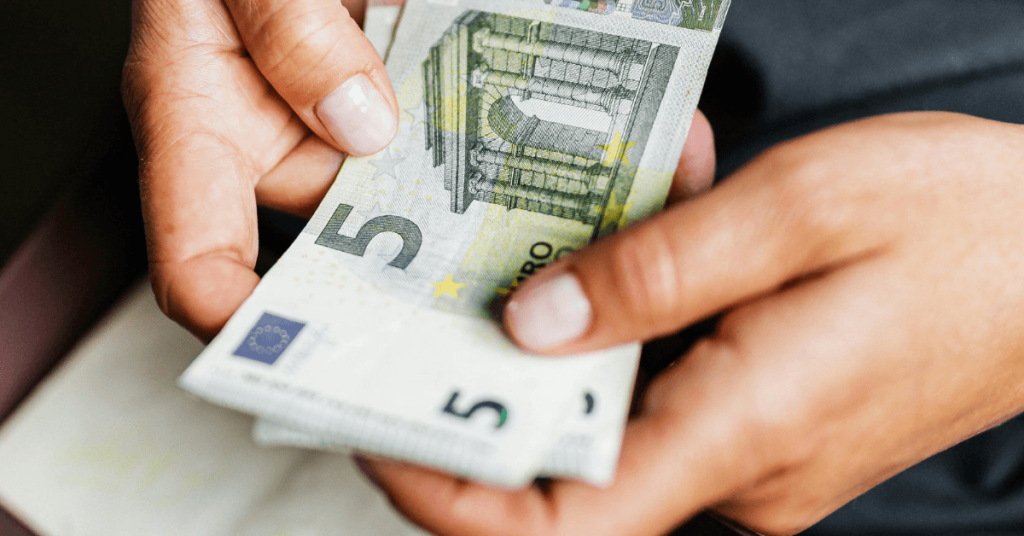
- The GGL has scrapped Germany’s flat €1-per-spin online slot limit in favour of a tiered structure, effective 1 July 2026.
- Players aged 21 and over can stake up to €3 a spin, rising to €5 for those with a clean 90-day gambling record.
- Under-21s stay capped at €1, marking the first change to the limit since Germany’s licensed market opened in 2021.
Four years into one of Europe’s most restrictive online gambling regimes, Germany’s regulator has finally moved on the rule operators complain about most.
The Joint Gambling Authority of the Federal States (GGL) has replaced its single €1-per-spin cap on online slots with a three-tier system built around age and gambling history.
Three tiers, one flat cap gone
From 1 July, the €1 ceiling stays in place only for players aged 18 to 21, who the GGL still treats as a higher-risk cohort. Everyone else moves onto a sliding scale.
Adults 21 and up can now stake €3 per spin as standard. Players who reach a rolling 90-day window with no signs of harmful play can go up to €5, five times the old universal limit.
It’s a modest number by UK or Swedish standards, where operators have long worked with looser stake rules. But in a market where €1 has been fixed since the Interstate Treaty on Gambling took effect, this marks the first time the GGL has used its treaty power to adjust slot stake limits since the regulated market opened in 2021.
Entain leads the applause
Entain, whose bwin brand holds a German licence, welcomed the change in an official statement.
Simon Priglinger-Simader, senior regulatory affairs manager DACH at Entain Group and vice president of the German Online Casino Association (DOCV), said:
“We expressly welcome the decision of the Joint Gambling Authority of the German states. It sends a positive signal for the regulated gambling market in Germany.”
He added that the black market’s share “is steadily growing and is now already in the mid-double-digit percentage range.”
According to the GGL’s 2025 market activity report, channelisation to the regulated market stands at 77%, a figure licensees dispute on methodology grounds.
Where the real leverage sits
This reform doesn’t touch the €1,000 monthly deposit cap or the five-second minimum spin duration, the two restrictions operators have historically ranked as more damaging than the stake limit itself. Stake size affects how a slot feels to play.
Deposit caps and spin delays affect how much revenue an operator can realistically capture from an engaged player.
What the GGL has handed operators instead is a way to compete on the metric offshore sites have owned outright: bigger bets, faster action. A German player who has built a clean 90-day record can now stake five times what they could a week ago, without leaving a licensed platform.
It also creates a new incentive structure. The €5 tier is earned through sustained clean play, which means an operator’s own risk-monitoring and player-protection tooling now doubles as a retention mechanism. Get that data right, and more of the player base qualifies for the higher stake, faster.
Enforcement hasn’t slowed down alongside the reform, either. The GGL fined rapper Capital Bra €250,000 in April for promoting unlicensed platforms, and state interior ministers had already fast-tracked treaty amendments to strengthen enforcement well ahead of the scheduled 2026 review.
The bigger question is whether €5 moves the needle enough on its own. Operators who have spent years arguing that €1 was the real barrier now get to test that theory in the market, not just in lobbying meetings.
Do you have a story worth sharing?
Send it over to our editors!