Uzbekistan regulator names GLI approved lab
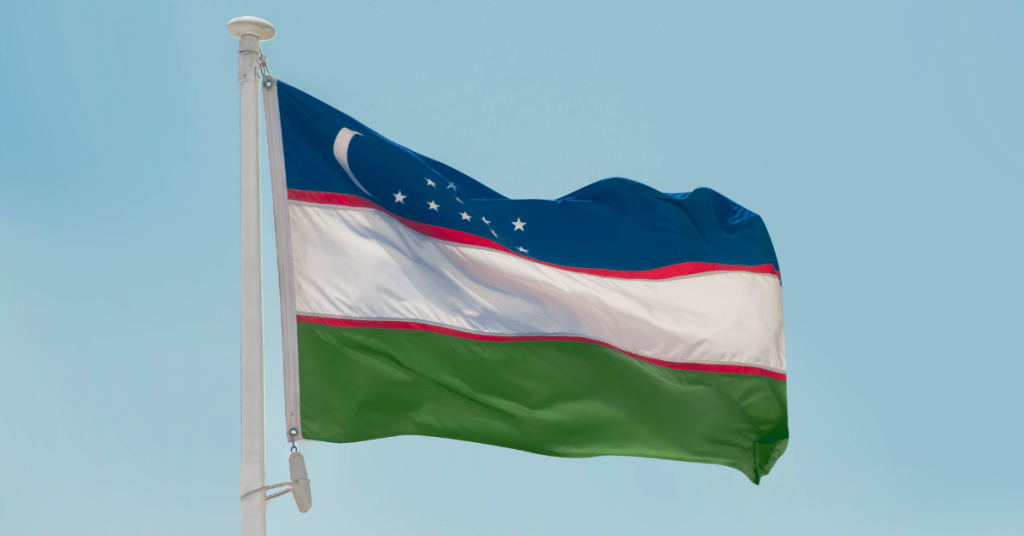
- GLI has been added to the list of approved testing laboratories by Uzbekistan’s National Agency of Perspective Projects (NAPP).
- The listing lets operators and suppliers use GLI’s certification reports to bring products to market in Uzbekistan.
- Uzbekistan has moved into its operational phase, with four licences already issued to two operators.
Gaming Laboratories International (GLI) has been named by Uzbekistan’s National Agency of Perspective Projects (NAPP) as one of the laboratories whose testing and certification reports are accepted for market entry.
The listing was announced on 25 August, as the Central Asian market moves into its operational phase with four licences already issued to two operators.
Decades in testing
GLI was founded in 1989 by James Maida and Paul Magno, and is headquartered in Lakewood, New Jersey. The company works as a testing, inspection and certification provider across land-based casino, lottery and iGaming products, serving regulators, operators and suppliers as they bring new gaming technology to market.
Since its founding, GLI has certified close to 2 million items and tested equipment for more than 710 jurisdictions, producing over 5.3 million approved gaming components. It runs laboratories across six continents and holds ISO/IEC accreditation for technical competence in gaming, wagering and lottery testing, credentials regulators typically require before accepting a lab’s reports.
A new licensing regime
Uzbekistan legalised online gambling, betting and lotteries from 1 January 2025, following a presidential decree in April 2024 and a Cabinet of Ministers resolution adopted that December. NAPP was named the sector’s sole regulator, issuing five-year licences to operators and suppliers that meet its financial and technical standards.
Online casino and betting operators must hold minimum authorised capital of roughly $4.4 million, plus a reserve fund of around $2.2 million.
Licences cost the equivalent of about $1,500, run for five years, and carry a 4% tax on GGR, turnover net of paid winnings and returned bets. Software and random number generators used by licensees must carry certification from a testing laboratory approved by NAPP, the role GLI now occupies.
Lucas Zavarise, Government & Regulatory Affairs Manager – EMEIA at GLI, said:
“Uzbekistan is on track to become a key regulated market in Central Asia and GLI is proud to be named among the first testing laboratories whose certification reports are accepted under the new framework. It reflects the depth of regulatory experience we bring to emerging markets.
“The NAPP leadership wants to ensure the growth of gaming unfolds in a controlled and sustainable way, and GLI is pleased to apply our global regulatory experience as Uzbekistan and the wider Central Asian gaming market continue to develop.”
Rules still being finalised
Parts of Uzbekistan’s technical certification framework remain under development. GLI met with NAPP leadership earlier this month to discuss the rules and how the lab can support the market as it grows, and the two sides remain in active dialogue as outstanding details are worked out.
NAPP’s own mandate has widened alongside the gambling framework. A law signed by President Shavkat Mirziyoyev in April 2025 gave the agency regulatory authority over capital markets and insurance, adding to its existing oversight of bookmaking, lottery and online gambling licensing, which stems from the separate April 2024 decree.
Backing from a reshaped deal
The Uzbekistan listing lands two months after GLI confirmed its first external investor. CVC Strategic Opportunities completed an investment into GLI in June, a deal both companies described as designed to fund GLI’s continued growth.
The arrangement followed antitrust filings a year earlier that had signalled CVC taking sole control of GLI outright; the companies have not disclosed how the final structure differs from that original plan, though GLI’s leadership, including Maida as chief executive, has stayed in place.
Only two operators hold licences so far, so the near-term test for Uzbekistan’s framework is whether NAPP can process further applications at pace once the remaining technical rules are settled. GLI’s early listing gives it a head start with whichever operators and suppliers apply next.
Do you have a story worth sharing?
Send it over to our editors!