Turkey places 3m citizens under gambling surveillance
- MASAK, Turkey’s financial intelligence unit, has linked more than three million citizens to illegal gambling transactions in what domestic media describe as the largest anti-betting operation in the country’s history.
- Amendments to the penal code under the 11th Judicial Package heighten criminal liability for players as well as operators, with account freezes, asset confiscations and higher fines now in force.
- Ankara has threatened diplomatic and economic retaliation against Cyprus, Malta, Georgia and North Macedonia for licensing or sheltering operators targeting Turkish consumers.
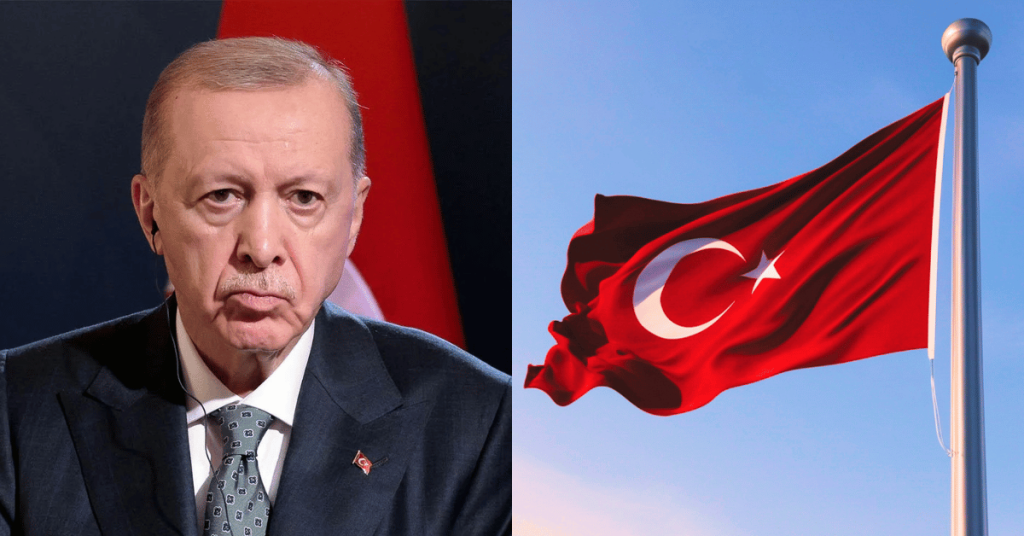
Turkey has escalated its crackdown on illegal gambling to include ordinary players, with authorities placing millions of citizens under financial surveillance and sharpening criminal penalties across the board as part of President Recep Tayyip Erdoğan’s 2025–2026 action plan to clamp down on illegal gambling.
The campaign marks a significant shift in focus, moving enforcement beyond operators and intermediaries to heighten criminal liability risk for consumers directly. MASAK, Turkey’s Financial Crimes Investigation Board, is reportedly reviewing 13.8 million pieces of user data linked to illegal betting databases and payment systems, according to Turkish media.
Turkish outlet Haberler claims authorities have already connected more than three million Turkish ID numbers to gambling-related transactions, in what domestic media describe as the largest anti-betting operation in the Republic’s history.
Penal code overhauled
President Erdoğan’s push for a complete ban on illegal gambling has prompted a major overhaul of the penal code, with reforms scheduled to take effect progressively through 2026. The changes sit at the centre of the 11th Judicial Package, which introduces tougher prison sentences and heightened financial penalties for both individuals and groups involved in illegal gambling.
Participants and intermediaries now face higher fines, wider asset confiscation and the freezing of bank and digital payment accounts for up to 48 hours during investigations, pending court-ordered longer-term measures.
Banks and payment processors are required to supply transaction data to prosecutors or courts within ten days, with non-compliance potentially resulting in administrative penalties or criminal charges.
Justice Minister Yılmaz Tunç confirmed the directive through an official circular. Tunç said:
“Each new loophole that allows these networks to operate within our country is being closed. Nobody, whether organiser or participant, can get away with digital anonymity or lax penalties from here on out.”
Financial surveillance tightened
Under a regulation issued by MASAK, banks must collect detailed information for transfers of 200,000 Turkish liras and above, effective from 1 January 2026. The rule applies to both individuals and corporate account holders and requires banks to document the origin of funds and the stated purpose of each transaction.
Major Turkish banks have begun messaging customers about illegal betting-linked activity. Ziraat Bankası, Türkiye İş Bankası and Garanti BBVA were among the first to issue consumer warnings in early January, according to industry sources.
Customers were told that facilitating or enabling payments for illegal gambling operations may constitute criminal offences under gambling and money-laundering provisions.
Treasury and Finance Minister Mehmet Şimşek warned that individuals renting out accounts under escrow or commission arrangements face prosecution. Şimşek, Treasury and Finance Minister, said:
“Illegal betting organisers have recently started using bank, payment, electronic money and cryptocurrency accounts belonging to third parties. I would like to strongly remind our citizens that renting or allowing others to use their accounts under pretexts such as ‘escrow’, ‘temporary use’, or ‘for commission’ constitutes participation in illegal betting and money laundering crimes.”
Milli Piyango, Turkey’s state lottery, has submitted a file to MASAK identifying some 239,000 domains believed to be facilitating unlicensed gambling targeting Turkish citizens.
Ekrem Candan, chairman of Milli Piyango, said:
“We are witnessing industrial-level targeting of Turkish citizens via the internet. This is not a handful of rogue operators — it is a coordinated ecosystem that must be dismantled.”
Diplomatic pressure mounts
Ankara has warned Cyprus, Malta, Georgia and North Macedonia that they could face diplomatic and economic retaliation if they continue to shelter or license gambling operators targeting Turkish citizens. No formal sanctions have yet been enacted; current enforcement posture centres on warnings and bilateral pressure.
MASAK has been instructed to pursue illegal operators knowingly targeting Turkish citizens from Cyprus, Georgia, North Macedonia and other jurisdictions. Armenia is also cited in Turkish-language media coverage as a priority state.
The crackdown has intensified following a late-2025 football match-fixing scandal, which saw over 1,000 players suspended and multiple club officials arrested. The government frames unlicensed betting not only as a financial crime but as a driver of money laundering and shadow economy growth.
For offshore operators, the direction of travel is clear. Turkey is building a fully centralised enforcement model, tightening alignment between commercial regulators and criminal enforcement bodies as Ankara extends scrutiny across financial systems, media platforms and digital channels.
With a general election expected in 2027, the political imperative to deliver measurable results is likely to sustain enforcement pressure at its current intensity.
- Turkey’s illegal gambling war escalates in 2026
- Turkish banks send consumer warnings
- National lottery backs Erdoğan’s crackdown
Do you have a story worth sharing?
Send it over to our editors!