Turkey’s illegal gambling war escalates in 2026
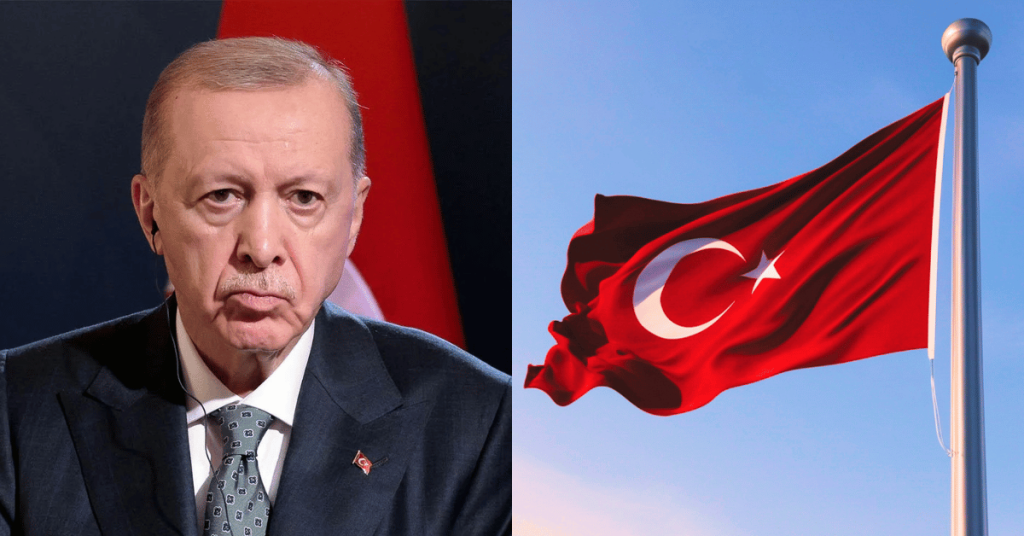
- President Erdogan has set a deadline ahead of the 2027 general election to eradicate illegal gambling, with enforcement framed as a national security and social welfare priority.
- Turkey’s 11th Judicial Package gives prosecutors powers to freeze bank accounts, seize assets and pursue payment providers within 10 days.
- Milli Piyango has identified 239,000 domains in breach of Turkish gambling law and filed 420,000 criminal complaints, while MASAK blocked TL5bn (EUR100m) in illicit proceeds in 2025.
Turkey is entering the most aggressive phase of its illegal gambling crackdown yet. Sweeping legislative reforms, expanded financial surveillance and direct diplomatic pressure on licensing jurisdictions are combining into a multi-front enforcement campaign.
11th judicial package
The centrepiece of the campaign is President Recep Tayyip Erdogan’s demand for a complete ban on illegal gambling, formalised through a penal code overhaul contained within the 11th Judicial Package.
The package grants prosecutors direct powers of seizure, suspension and prosecution, while amendments to Turkey’s Penal Code introduce tougher prison sentences and heightened financial penalties for both individuals and groups involved in illegal gambling.
Individuals who advertise or promote betting via social media will also face harsher punishment, while offences involving organised crime, minors or young people could trigger sentences increased by up to twofold.
Justice Minister Yilmaz Tunc confirmed the directive through a presidential circular, reaffirming the government’s full commitment to the zero-tolerance stance.
“Each new loophole that allows these networks to operate within our country is being closed, Tunc said. Nobody, whether organiser or participant, can get away with digital anonymity or lax penalties from here on out.”
Financial system in the crosshairs
The reforms place banks and payment institutions at the heart of enforcement. Under a regulation issued by MASAK, banks must collect detailed information for transfers of 200,000 Turkish liras and above starting 1 January 2026.
The rule applies to both individuals and corporate account holders and requires banks to document the origin of funds and the stated purpose of each transaction.
At the start of 2026, Turkish banks were ordered to notify all account holders that facilitating payments for illegal gambling constitutes a criminal offence.
Participants and intermediaries now face higher fines, wider asset confiscation, and the freezing of bank and digital payment accounts for up to 48 hours during investigations.
Banks and payment processors must provide requested transaction data, account records and payment histories to prosecutors or courts within 10 days, with non-compliance potentially resulting in administrative penalties or criminal liability.
The scale of enforcement activity in late 2025 illustrated the stakes. Multiple operations have resulted in mass arrests and asset seizures, including one probe involving 59 suspects and transactions of TL22bn uncovered over nine months, with cryptocurrency wallets and bank accounts among the assets frozen.
As of February 2026, MASAK assumed expanded supervisory authority over high-risk sectors including gambling, with betting transactions restricted to state-approved operators: sports monopoly Iddaa, lottery provider Milli Piyango and horse racing authority Turkiye Jokey Kulubu.
Diplomatic pressure mounts
Turkey’s enforcement ambitions extend beyond its own borders. Ankara has warned Cyprus, Malta, Georgia and North Macedonia that they could face diplomatic and economic retaliation if they continue to shelter or license gambling operators targeting Turkish citizens.
Milli Piyango has submitted a detailed report to MASAK identifying 239,000 domains in direct violation of Turkish gambling laws and filing 420,000 criminal complaints alongside that submission.
Chairman Ekrem Candan described the problem as unprecedented, characterising it as industrial-scale targeting of Turkish citizens through coordinated offshore networks rather than isolated rogue operators.
The opposition Republican People’s Party (CHP) has added political momentum by calling for a unified national gambling law and a dedicated regulator, arguing that the existing fragmented framework cannot keep pace with modern illegal betting markets.
Turkey’s crackdown has direct implications for international operators with exposure to the country. MASAK’s analysis has identified payment and electronic money institutions deemed to be systematically facilitating the circulation of illegal betting revenues, with the operations of six organisations suspended and assets seized by judicial order.
The former GVC/Entain executives among 11 charged in the UK over Turkish operations spanning 2011-2018 illustrates how enforcement consequences are increasingly crossing jurisdictions.
With Erdogan framing the campaign as a pre-election deliverable ahead of 2027, operators and payment providers servicing Turkish consumers face mounting legal, financial and reputational risk regardless of where they are licensed.
Do you have a story worth sharing?
Send it over to our editors!