Kalshi sues Arizona over sports event contracts
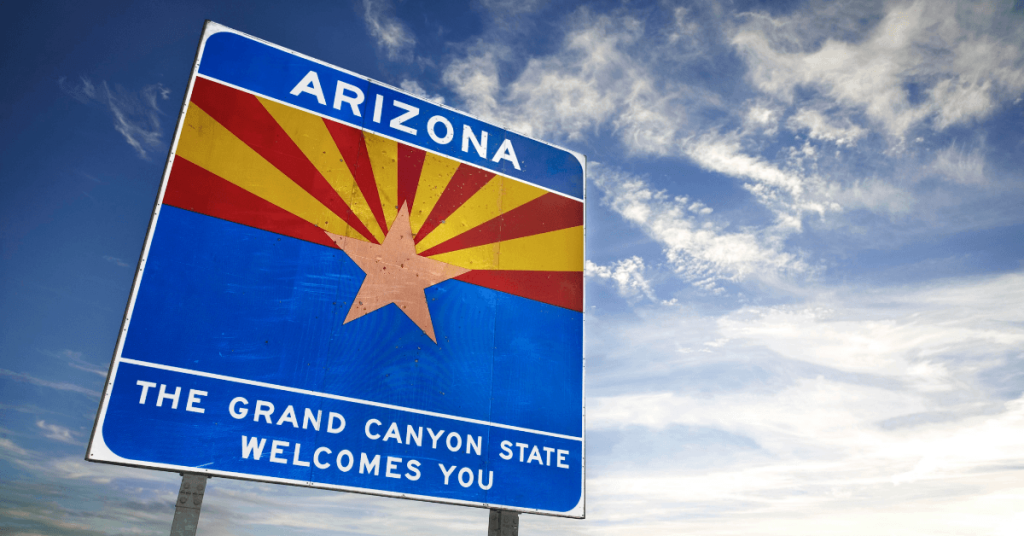
- Kalshi filed a preemptive federal lawsuit against the Arizona Department of Gaming and Attorney General Kristin K. Mayes on March 13, 2026.
- The case is Kalshi’s third new state-level federal lawsuit filed in late February and early March, following actions in Utah and Iowa.
- Arizona sent Kalshi a cease-and-desist notice in May 2025, declaring its operations in the state illegal.
Kalshi has filed a preemptive federal lawsuit against Arizona gaming regulators, naming state Attorney General Kristin K. Mayes and several Arizona Department of Gaming officials as defendants in a complaint lodged on March 13, 2026, in the US District Court for the District of Arizona.
Third state suit filed
The lawsuit is Kalshi’s third new state-level federal complaint filed in late February and early March, following actions in Utah and Iowa. Arizona joins more than a dozen US states where prediction market litigation has emerged against Kalshi or rival platforms.
The filing is preemptive. It comes almost 10 months after the Arizona Department of Gaming sent Kalshi a cease-and-desist letter stating that “Kalshi is not licensed and its operation of event wagering in Arizona is illegal.”
Kalshi attempted to contact the Arizona Attorney General to obtain written assurances of non-enforcement but received no response, despite the office having previously communicated with the company and assured it no enforcement action would be taken without prior notice.
The company is now seeking a court order to block Arizona from taking any enforcement action against it. In the complaint, Kalshi states it “believes the State of Arizona will imminently bring an enforcement action against Kalshi with the intent to prevent Kalshi from offering event contracts for trading on its federally regulated exchange.”
Jackie Johnson, director of the Arizona Department of Gaming, has been among the most vocal state gaming regulators on the threat she believes prediction markets pose. An ADG spokesperson confirmed awareness of the lawsuit but declined to comment further.
Federal vs state authority
The dispute centers on a fundamental question: who has the right to regulate prediction markets?
Kalshi does not hold an Arizona sports betting license. The company argues that the Commodity Exchange Act gives the CFTC exclusive authority over its event contracts, and that this federal framework overrides Arizona’s sports betting laws.
In the complaint, Kalshi argues that “federal law preempts Arizona from subjecting Kalshi to state law.” The company adds that any state attempt to regulate its CFTC-approved contracts would conflict with federal law and violate the Supremacy Clause of the US Constitution.
Arizona regulators disagree. Suzanne Trainor of the Arizona Department of Gaming has stated publicly that prediction markets are a form of gambling and that platforms operating outside the state’s framework cannot provide the same consumer protections as licensed operators.
Arizona currently has more than a dozen licensed online event wagering operators, each required to pay a 10% monthly privilege tax and comply with strict age verification and integrity monitoring requirements.
Federal courts examining Kalshi and similar prediction market cases have reached conflicting conclusions, disagreeing on whether sports event contracts constitute gambling and how far federal authority extends over state gambling laws.
Iowa front opens simultaneously
Kalshi filed its Iowa lawsuit in the US District Court for the Southern District of Iowa on March 11. In that complaint, the company stated:
“This action challenges the State of Iowa’s intrusion into the federal government’s exclusive authority to regulate derivatives trading on exchanges overseen by the Commodity Futures Trading Commission.”
Kalshi says a March 4 meeting with Iowa Attorney General Brenna Bird, which it expected to focus on a tax bill, turned into a grilling over whether its contracts violate Iowa gambling law and helped trigger the lawsuit.
Iowa legislators are separately considering a bill that would require prediction market operators to obtain a license from the Iowa Department of Revenue at a cost of $10 million.
In Utah, Kalshi has already filed a similar preemptive federal lawsuit targeting potential enforcement over sports event contracts. Massachusetts, meanwhile, is pursuing state enforcement action against Kalshi’s sports event products, with proceedings already underway in state court.
As these cases work their way through the courts, a clear ruling on whether federal law overrides state gambling statutes could reshape how licensed US sportsbooks compete with prediction markets and influence regulation across every state.
Do you have a story worth sharing?
Send it over to our editors!