CFTC warns prediction markets over sportsbook-style odds
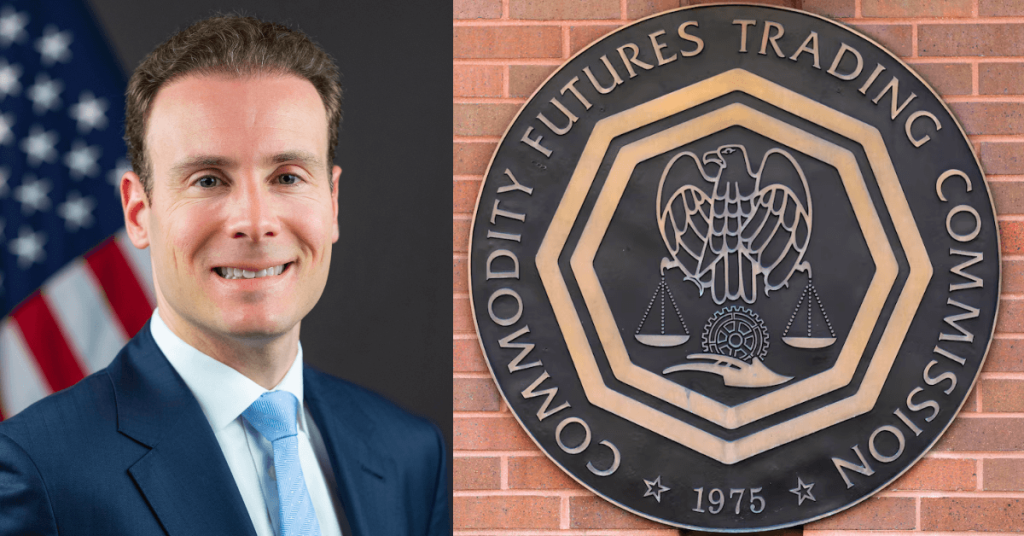
- The CFTC’s Division of Market Oversight and Market Participants Division warned CFTC-regulated entities and affiliates against pricing event contracts in plus-and-minus American odds.
- Covered entities must review pricing and marketing materials and confirm receipt of the letter by August 31.
- The warning lands amid a wave of state lawsuits challenging prediction markets’ legal status.
The Commodity Futures Trading Commission has warned CFTC-regulated entities and their affiliates that pricing event contracts in the plus-and-minus format familiar from sportsbooks could mislead traders and risk breaching federal rules.
The letter, issued by the CFTC’s Division of Market Oversight and Market Participants Division, asks covered firms to review their pricing displays, marketing materials and affiliate content, and to confirm receipt by August 31. The warning lands as prediction market operators fight a growing number of state lawsuits calling their products illegal gambling.
Two pricing systems
To understand what the CFTC is objecting to, it helps to know how the two industries price things differently.
Prediction markets are built to price contracts in cents, tied to probability. A “yes” share trading at 10 cents generally reflects a market-implied probability of around 10%, though fees and liquidity can shift that. The cents-based display keeps a contract’s price and probability visible, with the price itself set by trading between participants.
American odds are the sportsbook system: a plus or minus sign followed by a number. A favorite might be marked -150, meaning a bettor stakes $150 to make $100 in profit. An underdog at +150 means a $100 stake produces $150 in profit. It’s a format built for betting, not for showing a live market price.
Some prediction market apps have started converting their cents-based prices into this betting-style display, so a contract trading at 10 cents shows up on screen as +900. That’s the exact conversion the CFTC is now flagging.
Why the CFTC cares
The CFTC divisions said the odds format does two things wrong. It obscures how the trade works, since a bettor-style “+900” doesn’t show the market depth or pricing information that a probability figure does. As the letter puts it:
likely to mislead market participants about the nature of the transaction
The letter also warns that blurring the line between a derivatives trade and a sports bet could be exploited to drive participants into higher-margin, non-market-priced bookmaking products. A footnote cites a 2025 Behavioural Insights Team study finding that opaque, bookmaker-style pricing can encourage riskier betting behavior.
Regulators want contracts marked in cents or percentage terms that reflect real market pricing, and they want that standard applied across marketing materials and partner or affiliate platforms too, not just an operator’s own app.
Drawing a legal line
This single wording issue, odds versus probability, sits inside a much bigger legal fight. Prediction market operators have spent the past year arguing in court that they run market-priced derivatives exchanges rather than bookmaking operations, so cents-based pricing supports that position.
Courts remain split on whether sports-event contracts count as swaps under exclusive federal oversight, and the CFTC has filed lawsuits against several states, including New York, New Mexico and Kentucky, to defend its authority.
Outcomes have varied. State-level actions in Michigan and Nevada have restricted Kalshi’s ability to offer some contracts there. Litigation in New Jersey, Arizona and Tennessee, by contrast, has gone more favorably for Kalshi or the CFTC’s position.
In New Jersey, the Third Circuit affirmed a preliminary injunction finding Kalshi likely to succeed on its argument that federal law preempts the state’s gambling rules, though that’s a preliminary finding rather than a final ruling. CFTC Chairman Michael Selig has separately argued that prediction markets function differently from sportsbooks.
DraftKings Predictions, which runs its event-contract business through the CFTC-regulated DKeX exchange, is among the businesses that should review how it displays prices under the letter. The August 31 deadline gives covered firms a short window to check both their own interfaces and the materials used by affiliates and partners.
Do you have a story worth sharing?
Send it over to our editors!