California tribes recommit to 2028 sports betting vote
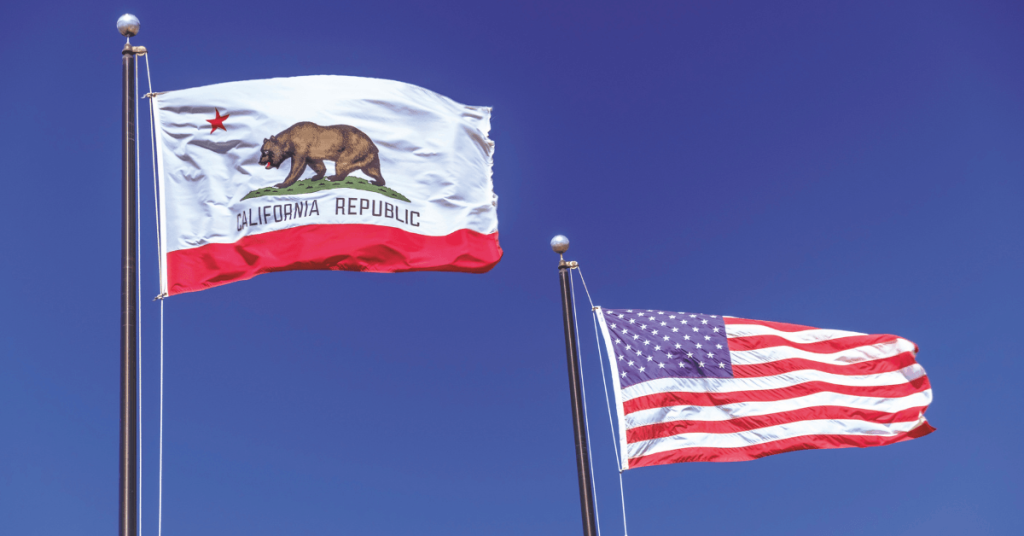
- California tribal leaders reaffirmed a 2028 ballot target for a tribally led retail and online sports betting initiative.
- James Siva, chairman of the California Nations Indian Gaming Association (CNIGA), said prediction markets have diverted an estimated 5% of tribal gaming revenue.
- Any framework must serve all 109 federally recognized California tribes, including 73 with no or limited gaming operations, across a state of 39 million people.
California’s gaming tribes are holding their line on 2028. At a panel in San Diego last week on Thursday (9 July), tribal leaders confirmed they’re still building toward a tribally led ballot initiative to legalize retail and online sports betting, even as prediction market platforms cut into casino revenue.
Playing the long game
James Siva, chairman of CNIGA, laid out the panel comments Thursday at the National Council of Legislators from Gaming States (NCLGS) Summer Meeting in San Diego, first reported by CDC Gaming. He shared the stage with Cahuilla Band of Indians Chair Erica Schenk and Yuhaaviatam of San Manuel Nation Vice Chair Johnny Hernandez Jr.
James Siva, chairman of CNIGA, said:
“We’re still very much looking at 2028 as a date that tribes are preparing to move forward with a tribally led initiative for an online sports betting market.”
None of this is a new position. Siva named 2028 back in March at the Indian Gaming Association’s annual conference. What’s shifted since then is the pressure building underneath that date. Of the state’s 109 federally recognized tribes, 73 run no casino at all or only a limited one, and Siva said the eventual framework will lean on California’s Revenue Sharing Trust Fund, which already funnels gaming revenue toward smaller and non-gaming tribes.
He put it plainly: he wants to “make sure that no tribe gets left behind as we expand gaming.”
Getting there is not simple. Under IGRA and the state’s tribal-state compacts, California’s tribes hold exclusivity over Class III gaming, sports betting included, which means any regulated online market needs both a statewide constitutional vote and renegotiated compacts.
Enemy at the gates
Prediction markets are why this feels urgent now, not in two years. Siva put the damage so far at an estimated 5% of tribal gaming revenue, and said that figure turning into 10% would be catastrophic for Indian Country. CNIGA is commissioning a feasibility study to pin the number down more precisely.
The fight has already reached the courts. In November 2025, a federal judge denied three California tribes’ request for a preliminary injunction against Kalshi, though the underlying case remains active. Siva said tribes have also worked this legislative session to kill narrower bills that would only have restricted prediction market operators, arguing half-measures risk strengthening the platforms’ legal footing rather than weakening it.
Other states are running into the same wall. Kalshi hit a similar roadblock in Michigan, and North Carolina’s governor just signed a budget that taxes prediction markets for the first time without formally regulating them. Meanwhile, Kalshi itself keeps growing, with revenue climbing fast enough to put a public listing on the table.
Too big to ignore
Hernandez, whose tribe runs one of California’s largest casinos, said Indian Country is tracking developments elsewhere for cues. He pointed to Ohio’s newly filed House Bill 971, the “Save Ohio Sports Act,” which would repeal online sports betting outright.
He also flagged Wisconsin, where a law passed in April handed tribes full online exclusivity through a hub-and-spoke structure that requires commercial partners to pay 60% of revenue back to the tribe.
The sovereignty questions aren’t confined to prediction markets, either. In New York, a tribe’s lawsuit against Caesars over reservation-based mobile betting is raising much the same jurisdictional argument from a different angle.
What sets California apart is simply its size. A state of roughly 39 million people doesn’t legalize anything quietly, and a successful 2028 measure would instantly make it the largest regulated sports betting market in the country.
That scale is exactly why operators, suppliers and payment providers outside California have reason to watch this fight closely: whatever partnership model tribes eventually settle on here is likely to become the template other states measure themselves against.
For now, the next two years look like coalition-building rather than campaigning. Whether that consensus holds once an actual ballot fight begins, and whether prediction markets get reined in before voters have their say, will decide what a 2028 market really ends up looking like.
Do you have a story worth sharing?
Send it over to our editors!