North Carolina locks in higher betting tax
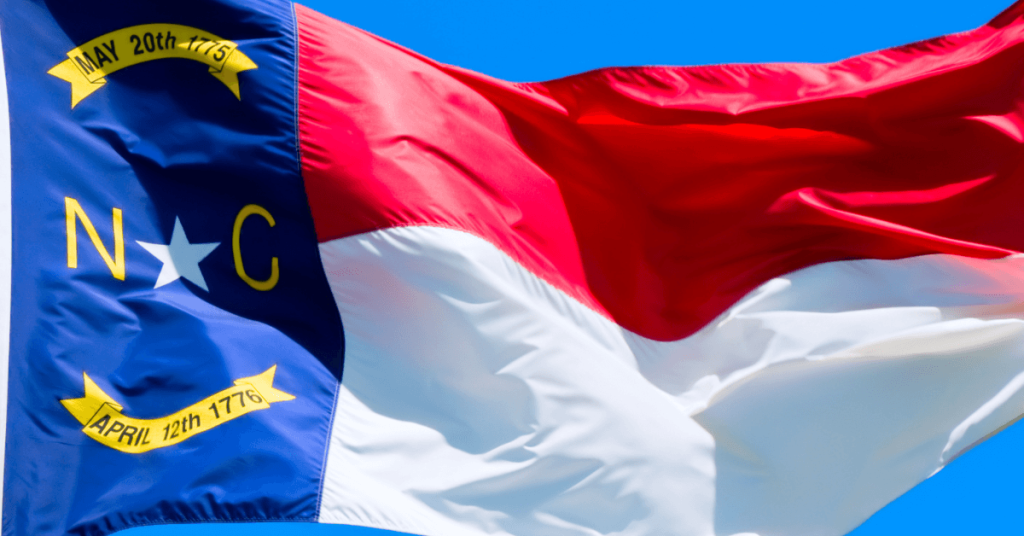
- North Carolina’s online sports betting tax rises from 18% to 23%, effective July 1, 2026.
- A new 6% tax on prediction market platforms takes effect on January 1, 2027.
- The $34 billion budget also lets bettors deduct gambling losses retroactive to January 1, 2025.
North Carolina Governor Josh Stein signed the state’s $34 billion budget into law on July 7, raising the online sports betting tax from 18% to 23%, effective July 1, 2026.
The bill, Senate Bill 257, also creates a 6% tax on prediction market operators’ net trading fee revenue apportionable to the state, applying to revenue received on or after January 1, 2027.
The increase is the first change to North Carolina’s sports betting tax since the market launched in March 2024. It pushes the state’s rate above New Jersey (19.75%), Massachusetts and Ohio (both 20%), though it remains well below the 51% charged in New York.
Both chambers had already agreed the new rate before formally passing SB 257, with the House voting 88-21 and the Senate 35-10.
“After careful deliberation, this morning I will sign the state budget into law,” Josh Stein, Governor of North Carolina, said.
Prediction markets carved out
The budget takes a markedly different approach to trading platforms such as Kalshi and Polymarket. The statute explicitly states the 6% levy does not impose any license, registration, or other regulatory requirements on CFTC-registered prediction markets.
That leaves prediction markets facing roughly a quarter of the tax burden applied to licensed sportsbooks, with none of the compliance costs.
Illinois also taxed prediction markets earlier this year, but brought them under state licensing, restricting the products to companies that already hold an Illinois sportsbook license. North Carolina’s approach leaves the platforms unlicensed entirely.
The provision follows Underdog’s decision to abandon its North Carolina sportsbook in December 2025 in favor of prediction market products, a shift lawmakers cited as evidence the category needed its own tax treatment.
Deficit pressure and pushback
The budget deal comes as North Carolina works to close a $2.8 billion deficit projected over the next two years, even as the state phases in further personal and corporate tax cuts. North Carolina sportsbooks have paid more than $300 million in taxes since the market’s 2024 launch, according to WRAL.
At the new 23% rate, one industry projection puts annual collections at roughly $170 million, about $37 million more than the previous rate generated, according to BettorsInsider.
The increase drew opposition from the Sports Betting Alliance, the trade group representing operators including FanDuel and DraftKings, which warned the hike could push bettors toward unregulated alternatives.
Some Democratic lawmakers raised separate concerns about the prediction market provision. Representative Pricey Harrison argued the measure “seems to undermine our ability to govern and regulate sports gambling.”
The budget also lets bettors deduct gambling losses against winnings on state tax returns, retroactive to January 1, 2025.
It expands the university funding formula too: UNC, NC State, Appalachian State, Charlotte and East Carolina will join the 13 other UNC System schools receiving sports betting tax revenue, beginning July 1, 2027.
With Kalshi and other platforms already fighting tax and licensing disputes in multiple states, enforcing North Carolina’s new 6% levy against federally regulated exchanges remains an open question for regulators to work through in the months ahead.
Do you have a story worth sharing?
Send it over to our editors!