Utah seeks up to $61.2m in Kalshi fees
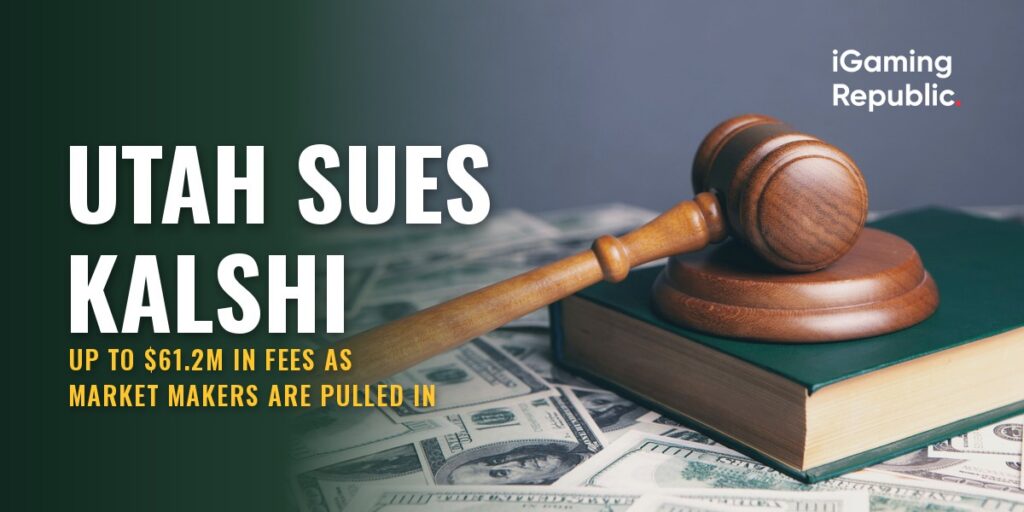
- Utah files a civil lawsuit against Kalshi in the state’s Third District Court.
- Five Kalshi entities and two Susquehanna trading firms are named as defendants.
- The state estimates Kalshi collected $30.6 million to $61.2 million in fees from Utah accounts.
Utah Attorney General Derek Brown has sued Kalshi in state court, alleging that Kalshi and affiliated entities operated an illegal gambling business in a state that bans all forms of betting.
The civil complaint, filed on October 20 in the Third District Court in Salt Lake City, seeks to shut Kalshi out of Utah. It also seeks to recover allegedly unlawful fees collected from Utah customers, along with other financial relief.
Wall Street in the dock
The 63-page complaint names five Kalshi entities: Kalshi Inc., KalshiEX LLC, Kalshi Klear Inc., Kalshi Klear LLC and Kalshi Trading LLC.
It also targets Susquehanna International Group LLP and Susquehanna Government Products LLLP, which Brown described as market makers on the platform.
Susquehanna has been a major liquidity provider on Kalshi since 2024. This is the first known case of a market maker being sued alongside the prediction market it trades on.
Utah estimates Kalshi collected between $30.6 million and $61.2 million in fees from Utah accounts through October 19. The complaint bases that figure on a fee of one to two cents per wager, applied to more than $3 billion in wagers it attributes to Utah accounts.
According to the complaint, Kalshi has more than 32,000 verified users in Utah and has offered its services to residents since at least September 2024. The state says actual Utah activity may be higher, given Kalshi’s rapid growth.
A public nuisance
Brown announced the case at a news conference at the Utah Capitol. He also declared online gambling a public nuisance, a declaration that comes from his office rather than the court.
Derek Brown, Utah Attorney General, said:
“Utah has said no to gambling since statehood in 1896, and that didn’t change when betting moved onto cellphones. Effectively, Kalshi bet today that Utah would not enforce its gambling laws. Well, we are enforcing it. So on that point, Kalshi has now lost their bet.”
The state is asking the court to block Kalshi’s sports, elections, politics, culture and mentions contracts in Utah. It wants a court-approved geolocation provider to enforce the ban, and the defendants to hand over profits Utah alleges they earned from residents.
Kalshi stands firm
Kalshi says it is a CFTC-regulated national derivatives exchange subject to federal law. The company sued Utah officials in federal court in February, but Utah won summary judgment in August.
Kalshi has appealed, and the Tenth Circuit denied its emergency injunction request on September 8. That ruling cleared the way for Utah to enforce its gambling laws during the appeal.
Jacki McGavick, spokesperson at Kalshi, said:
“Kalshi is a federally regulated financial exchange, like the stock market. Our customers trade with each other and set the prices. As a national derivatives market overseen by the CFTC, Kalshi answers to federal law, and no single state should have a veto over it. This latest state court action does not affect our ongoing federal litigation.”
Supreme Court looms
Brown declined to say whether criminal charges could follow, citing his office’s policy on investigations. He described the lawsuit as part of a larger investigation and urged other platforms operating in Utah to read the complaint.
The case lands as the jurisdiction question moves toward the US Supreme Court. The Third Circuit sided with Kalshi in New Jersey, but the Ninth and Sixth Circuits ruled for the states. New Jersey has filed a Supreme Court petition, and Kalshi’s response is due on November 9.
The CFTC is seeking to address the jurisdictional dispute through rulemaking. Its interim final rule excluding licensed casino-style products from the swap definition took effect on October 19. The agency has also proposed a rule that would classify sports, politics, culture and weather event contracts as swaps.
Naming Susquehanna puts liquidity providers in the frame for the first time. If the court lets those claims proceed, trading firms that back prediction markets could face state gambling liability of their own. Discovery could sharpen the fee estimate and hand other states without legal betting a template for similar suits.
Do you have a story worth sharing?
Send it over to our editors!