Slovakia regulator puts World Cup marketing on notice
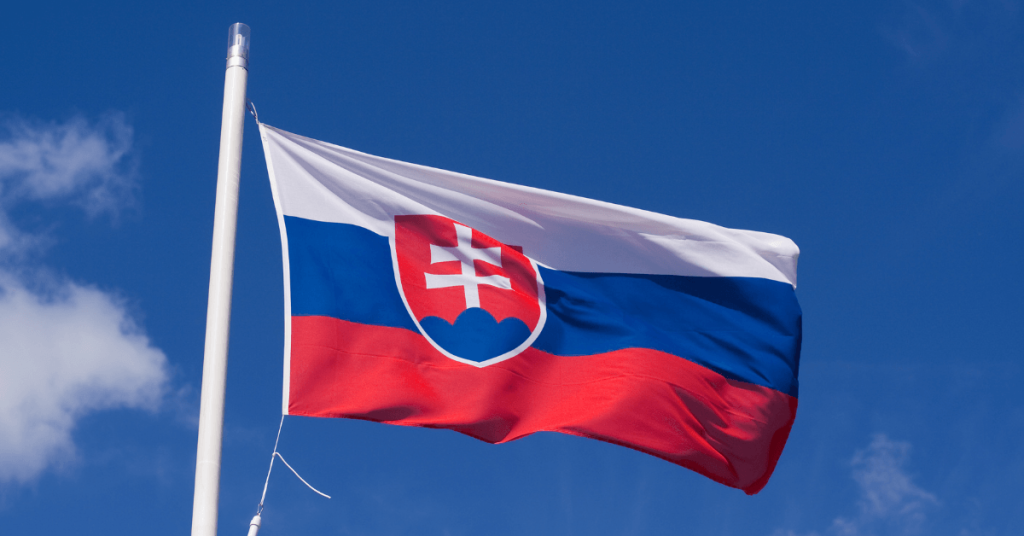
- Slovakia’s Gambling Regulatory Authority, URHH, has signalled it will intensify monitoring of operator advertising campaigns for the duration of the FIFA World Cup 2026, which runs until 19 July.
- Director General Libuša Baranová has indicated that all licensed operators must meet responsible gambling and consumer protection standards throughout the tournament.
- The intervention follows the failure of sweeping legislative reforms and reflects broader European regulatory pressure on operators during the competition.
Slovakia’s Gambling Regulatory Authority, URHH, has signalled it will step up monitoring of licensed operators’ marketing conduct during the FIFA World Cup 2026, warning that all advertising must comply with responsible gambling and consumer protection standards.
SBC News reports that the authority has communicated expectations to both online and land-based licensees, urging operators to use the tournament’s elevated profile to promote safer gambling messaging and self-exclusion tools, rather than pursue aggressive acquisition campaigns.
Libuša Baranová, Director General of URHH, told SBC News:
“During the 2026 FIFA World Cup, the Gambling Regulatory Authority will consistently monitor and evaluate the content of operators’ advertising campaigns throughout the duration of the tournament.”
The authority is said to stand ready to intervene immediately if operators breach gambling regulations or broader consumer protection law.
Broadened remit
The warning comes as URHH operates under a significantly expanded mandate. From January 2026, the authority became the primary supervisory body for consumer protection in the gambling sector, taking over that responsibility from the Slovak Trade Inspection Authority.
A dedicated consumer protection department was subsequently established in February 2026, giving URHH formal powers to monitor and sanction unfair commercial practices for the first time.
Baranová outlined those priorities in 2025, stating that the consumer protection expansion would significantly broaden the authority’s statutory tasks. She noted that online casino gross gaming revenue in Slovakia grew by almost 30% during 2024, with tax receipts from the segment rising by as much as 35%, driven by a consumer shift towards online entertainment.
More than 80% of Slovakia’s licensed operators have previously committed to a Code of Responsible Advertising developed by URHH in collaboration with the industry. The code operates on a self-regulatory basis, and until 2026 the authority had no direct powers to sanction advertising breaches.
Reform backdrop
URHH’s heightened posture during the World Cup reflects a broader period of political and regulatory turbulence.
Sports and Tourism Minister Rudolf Huliak introduced amendments to the Slovak Gambling Law in 2025, arguing that legislation passed in 2019 to liberalise online gambling had been designed to favour operators over citizens.
His proposals included restricting gambling promotion to welfare recipients, individuals in alimony arrears and citizens with outstanding tax debts, and sought to expand the role of state lottery operator TIPOs in channelling revenues to public projects.
The amendments were approved by the National Council. President Peter Pellegrini subsequently refused to sign them into law in November 2025, citing constitutional concerns over central government interference in the jurisdiction of regional authorities. Pellegrini indicated he remained open to reviewing consumer protection proposals not yet formally put to him.
The collapse of those reforms has placed greater weight on URHH to demonstrate proactive oversight through its existing and newly expanded powers.
European context
Slovakia is not alone in tightening oversight ahead of the tournament. The KSA in the Netherlands has written to licence-holders warning of immediate enforcement action for any breach during the competition.
Belgium’s gaming commission has similarly reminded operators that its advertising and bonus restrictions remain fully enforceable throughout the World Cup.
For operators active in Slovakia, the requirement is clear: promotional content across broadcast, digital, social and outdoor channels must carry visible responsible gambling messaging. Tactics designed to maximise short-term acquisition at the expense of player welfare will attract regulatory scrutiny.
With URHH now holding direct consumer protection enforcement powers and the political climate in Bratislava remaining sensitive to gambling issues, the World Cup period is likely to serve as a test of the authority’s willingness to use those powers, and of how operators respond to a regulator in the early stages of asserting a broader role.
Do you have a story worth sharing?
Send it over to our editors!