Bulgaria scrapes 30% gambling tax proposal
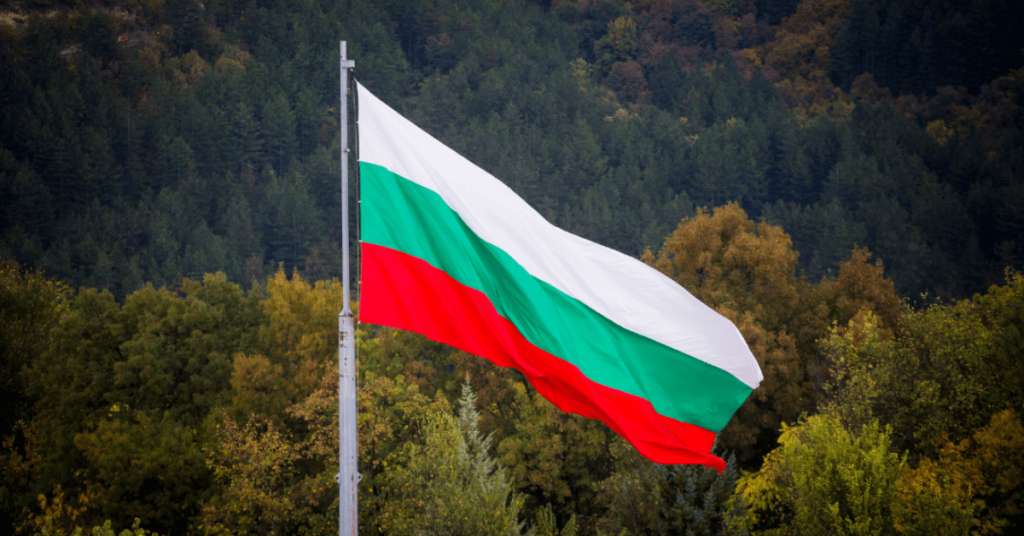
- Bulgaria’s Ministry of Finance has rejected opposition amendments for a 30% GGR tax and stricter advertising limits in committee.
- Deputy Finance Minister Lyudmila Petkova put the grey market at roughly 40%, arguing another tax rise would feed it.
- The ministry is opening a comprehensive review of the Gambling Act rather than accepting piecemeal budget amendments.
Bulgaria’s Ministry of Finance has rejected opposition amendments to push the gambling tax to 30% and impose near-total advertising restrictions in densely populated areas, telling a budget commission during second-reading debates on the 2026 budget that both measures would hand market share to unlicensed operators.
Deputy Finance Minister Lyudmila Petkova instead committed the ministry to a comprehensive review of the Gambling Act, with the budget itself still awaiting a final vote in the National Assembly.
Channelisation first
The amendments came from Democratic Bulgaria and We Continue the Change, coalition partners until April’s elections and still aligned on the need for gambling reform, if not on where to aim it. Democratic Bulgaria has kept up pressure for a higher GGR rate and steeper licensing fees.
We Continue the Change wants gambling marketing all but banned in densely populated areas, on top of existing restrictions around high-traffic zones and schools.
The tax argument lands barely seven months after operators absorbed the last increase. Bulgaria lifted its gambling tax from 20% to 25% of GGR on 1 January 2026, and licensees also pay a separate 10% corporate tax. Democratic Bulgaria’s amendment would have taken the headline rate to 30%.
Petkova’s counter to the budget commission was blunt: the fiscal maths only works if players stay onshore.
Lyudmila Petkova, Deputy Finance Minister, said:
“The proposal to increase the tax sounds very good at first glance, but the real effect of the measure will be the transfer of players from the legal to the illegal market. The share of the gray sector in gambling is currently about 40%.
“The 20% tax is a European balanced standard. Most countries apply a tax of 20% or 25%. Any increase in gambling taxation leads to an increase in the gray sector.”
A grey market at 40% would put Bulgaria’s channelisation well below the levels regulators in mature European markets consider workable, and it is the number doing the heavy lifting in the ministry’s position.
Reviewing the Act
Petkova also confirmed the ministry has started a comprehensive review of the Gambling Act itself. Her diagnosis: the law has been amended so often through transitional provisions of unrelated bills that fixing the resulting errors takes years.
She said:
“We are starting work on a comprehensive review of the Gambling Act. The reason is that amendments are regularly made to it between the first and second readings of other laws, and then years are needed to correct the consequences of the inaccuracies.”
The review will need the National Revenue Agency, which regulates gambling under the Finance Ministry’s umbrella and is doing so without a Director of Gambling Policies since Alexander Popov departed. A structural review led by a regulator missing its policy chief is an awkward starting position.
One budget measure did survive the cull: the planned licensing regime and levy on affiliates, combining a €6,000 fixed annual fee with a 10% charge on gambling promotion commissions. The National Assembly’s final vote decides whether it stays in.
Little room left
There is a reason the advertising amendment struggled to find new ground: most of it is already gone. Parliament voted unanimously in April 2024 to ban gambling advertising across TV, radio, print and digital media, leaving the state-owned Bulgarian Sports Totalisator as the main carve-out.
What survives is tightly boxed in. Billboards must keep 300 metres from schools, universities and playgrounds, 10% of any ad surface goes to risk warnings, and venue signage tops out at 50 square metres or 20% of a facade.
The opposition now has to decide whether to fight the same amendments through the National Assembly floor vote or hold fire for the Gambling Act review, a separate legislative track where the whole framework, tax rate included, goes back on the table.
Operators get a reprieve on the tax line but no certainty beyond it: whatever the review produces will feed future legislation, and it could reopen every one of these questions.
Do you have a story worth sharing?
Send it over to our editors!