Bulgaria rolls out new affiliate licence rules
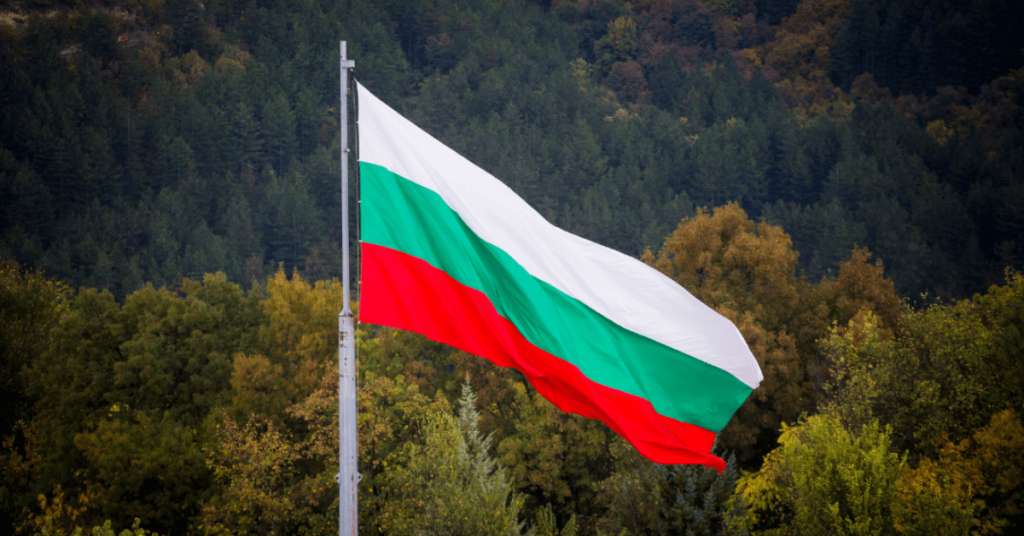
- Bulgaria’s amended Gambling Act requires performance-based affiliates to hold a licence from 1 August 2026.
- Affiliates face a fixed €6,000 annual fee plus a 10 per cent levy on result-linked commissions.
- Existing affiliates must apply for a licence by 15 August 2026.
Bulgaria has enacted a licensing regime for performance-based gambling affiliates, after the National Assembly approved the 2026 State Budget Act on 24 July.
The rules, which took effect on 1 August, require affiliates to hold a licence before promoting licensed operators, backed by a two-part fee structure aimed at tightening oversight of the sector’s marketing layer.
Casting a wide net
The regime applies to “affiliate operators” – companies, platforms or individuals, including sole traders, that promote gambling games for Bulgarian or foreign gambling organisers in return for commissions tied to measurable outcomes such as player sign-ups, deposits or bets placed.
Standard advertising agencies paid on a non-performance basis fall outside its scope.
Foreign affiliate operators face an added hurdle: their licence application must name an authorised representative based in Bulgaria, with powers broad enough to sign contracts and represent them before Bulgarian authorities and courts.
The law also bars promotion through an unlicensed affiliate, and promotion on behalf of a gambling organiser that itself lacks a Bulgarian licence.
Fees on both sides
Licensed affiliates face a two-part state fee: a fixed annual charge of €6,000, plus a variable component worth 10% of commissions tied to those measurable outcomes.
In practice, gambling operators are expected to withhold that 10% from an affiliate’s commission and remit it directly to the National Revenue Agency, rather than affiliates settling the charge themselves.
An anti-avoidance clause targets operators who try to disguise result-linked payouts as simulated transactions: in those cases, the variable component doubles to 20% of the concealed amount.
Commission income on which the variable component has been paid is excluded from the relevant corporate or personal income-tax base, provided the underlying transaction isn’t later found to be sham or simulated.
Clock is ticking
Existing affiliate operators must submit their licence applications by 15 August 2026.
The transitional treatment for firms whose applications are still pending after that date hasn’t been detailed publicly, so affiliates should confirm their position against the NRA’s implementation guidance directly.
The affiliate regime sits inside a much larger fiscal package. The 2026 State Budget Act was passed by the National Assembly on 24 July and promulgated by President Iliana Iotova on 29 July, before publication in the State Gazette on 31 July. It projects a deficit of 5.7 per cent of GDP, roughly €7.2bn, against planned revenues of €49.5bn and expenditure of €56.8bn.
During the budget’s drafting stage, officials had estimated that the affiliate measure alone could add around €100m a year in revenue. That figure was a proposal-stage projection rather than a confirmed line item in the enacted budget.
The measure follows a rejected tax hike bid earlier in July, when lawmakers stopped short of tightening advertising rules on top of the existing 2024 restrictions. It also builds on an earlier affiliate levy plan floated during the same budget process in early July.
The regime marks a shift for Bulgaria’s affiliate sector, moving it from a channel regulated indirectly through operators to one where affiliates themselves answer directly to the National Revenue Agency.
Foreign affiliates weighing whether to appoint a Bulgarian representative have little more than a week left before the application deadline passes.
Do you have a story worth sharing?
Send it over to our editors!