Bulgaria pushes for full gambling ad ban
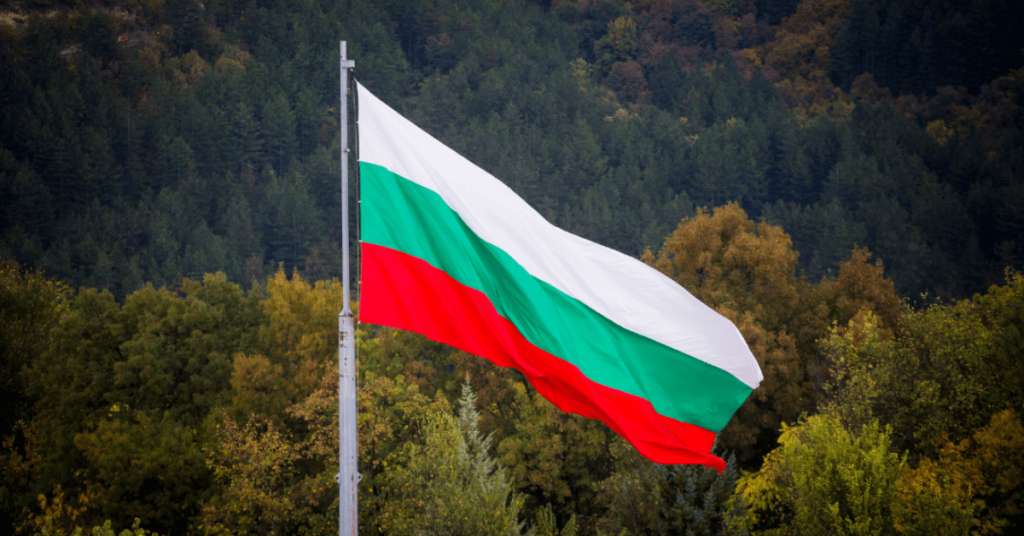
- We Continue the Change has submitted a bill to Bulgaria’s Parliament for a near-total ban on gambling advertising.
- The draft would outlaw remaining outdoor ads on billboards, transit stops and buildings, on top of existing bans on TV, radio and digital media.
- The proposal follows criticism of gambling branding shown during World Cup broadcasts on Bulgarian National Television.
Bulgarian MPs from We Continue the Change have submitted a bill to Parliament proposing a near-total ban on gambling advertising in public spaces and the media, according to Bulgarian National Radio.
The draft, filed in early September 2026, would extend Bulgaria’s existing 2024 restrictions to prohibit nearly all remaining outdoor formats, including billboards, transit stops, building facades, electronic displays and vehicles. Only a handful of narrow exceptions would remain, including logos on sports kits and small ads on gambling venue facades.
Closing the gaps
Bulgaria’s 2024 gambling-advertising restrictions already covered television, radio, print and electronic media, including online and social media.
Billboards remained one of the few channels still open, provided they sat at least 300 metres from schools, universities and other protected sites, with a mandatory addiction warning covering part of the space. The new bill would remove that remaining allowance too, along with public transport stops, building facades, electronic displays and vehicles.
A few carve-outs survive. Broadcasts of Bulgarian Sports Totalizator draws stay permitted, as do small facade ads at licensed venues and logos on adult sports kits, capped at 10 by 10cm.
The bigger change sits in the detail. Product placement across all media content would be banned outright, shutting a route operators have used to keep branding visible without technically running an advert.
Wherever harm messaging still applies, it would need to cover at least 10% of the ad space, in black lettering on white. Some billboards have carried warning text coloured to match the background, and the bill is written to stop that specifically.
League in name only
The trigger for this round is football coverage, not policy failure. Bulgarian National Television’s World Cup broadcasts carried heavy branding from operators including inbet, Efbet and 8888, who used the airtime to promote franchising deals and new bookmaker shops rather than betting products directly.
Sponsorship compounds the problem. Domestic competitions such as the Efbet League, the MrBit Second League and the Sesame Cup cannot be shown or referred to on air without naming their sponsor, so the branding runs regardless.
Betano, the World Cup’s official betting partner, appeared just as prominently through the tournament.
Assen Vassilev, chairman of We Continue the Change, argues the current law was never built to catch this.
“We need to seal off the legislative loopholes.”
He singled out product placement and sponsor-name branding as the clearest examples, and pointed to the EU’s restrictions on political advertising as a template: if Facebook and Google can be made to block political ads by member state, he argues the same mechanism could stop gambling marketing reaching users where it is banned.
Dutch regulators have already tested that argument in court, suing Meta over unlicensed gambling ads earlier this year.
Second time around
We Continue the Change tried this once already in 2026. In July, the party pushed for a similar ad ban alongside a steep gambling tax rise, and Deputy Finance Minister Lyudmila Petkova turned both down, warning that tighter rules risk pushing players toward the black market before it is brought under control.
Bulgaria’s channelisation rate sits at around 60%, a figure the Finance Ministry has pointed to as reason to move cautiously. Petkova argued instead for a full review of the Gambling Act, already under way.
That review has since delivered one tangible result: a new affiliate licence regime that took effect from 1 August 2026, requiring performance-based affiliates, meaning those paid on referrals, deposits or bets rather than flat fees, to register with the National Revenue Agency and pay a fee plus a share of their commissions.
Bulgaria’s 2024 rules were already among the stricter advertising regimes in Europe, with venue facades capped at 50 square metres or a fifth of the building. Extending that reach to nearly every outdoor format would leave sponsorship deals at physical venues as one of the few marketing channels left standing.
The bill’s odds hinge on how much appetite the government has for another advertising fight so soon after rejecting the last one. The Gambling Act review is still under way, and its outcome will decide if product placement and league sponsorships survive as workarounds or get written out of the law entirely.
Do you have a story worth sharing?
Send it over to our editors!