Brazil launches centralised self-exclusion system for online gambling
- Players can now block access to all licensed betting and gaming sites through a single federal platform.
- Operators must to integrate with SIGAP verification database using CPF numbers.
- The system includes options to self-exclude for periods ranging from one month to indefinitely.
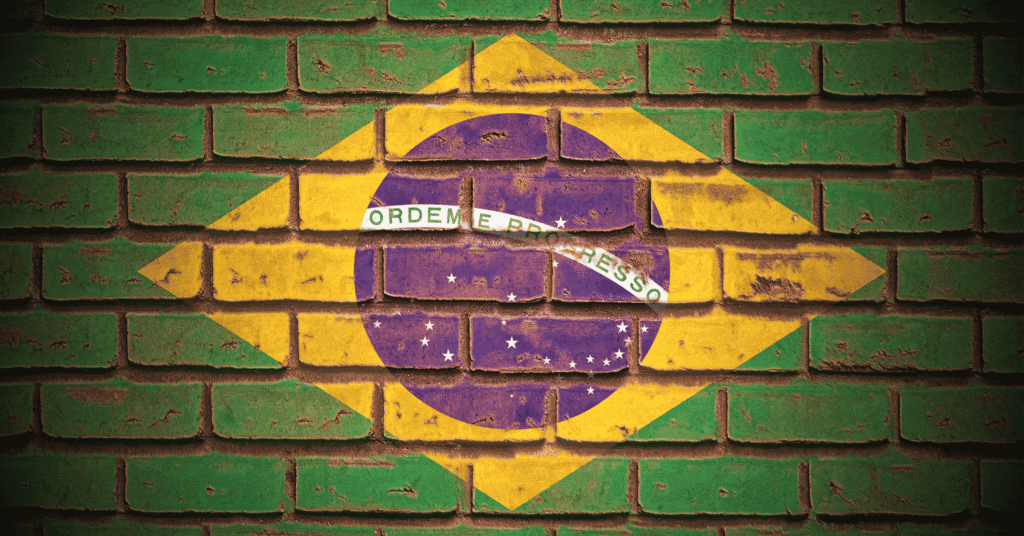
Brazil’s national gambling self-exclusion system has officially launched, enabling players to voluntarily block their access to online sports betting and gaming operators across the country.
The Secretariat of Prizes and Bets (SPA), operating within Brazil’s Ministry of Finance, announced the system’s availability to the public starting 10 December 2025.
Players can now access the platform through the Gov.br portal to request exclusion from all federally licensed betting sites. The system also prevents excluded players from receiving targeted advertising from operators during their chosen exclusion period.
Previously, operators were required to offer individual self-exclusion options, but the new centralised platform provides comprehensive protection across all licensed platforms simultaneously.
Federal system strengthens player protection
The centralised self-exclusion platform formed a key part of the SPA’s 2025-26 regulatory agenda, which launched in April. The regulator identified the implementation of this system as its “most important” priority for consumer protection.
“This measure strengthens citizen protection, contributes to preserving the integrity of sports and supports actions for prevention and care for mental health,” said Giovanni Rocco Neto, National Secretary for sports betting and economic development of sport.
“The Ministry of Sport will continue to work in close co-operation with the Ministry of Finance, the Ministry of Health and other federal government agencies to improve monitoring instruments, transparency, and accountability in the sector,” Rocco Neto added.
The Federal Data Processing Service (Serpro) developed the platform under SPA supervision. The initiative involved collaboration through an Interministerial Working Group, bringing together representatives from the Ministry of Finance, the Ministry of Health, the Ministry of Sports, and the Secretariat of Social Communication.
How the system operates
Players must register using a silver or gold-level Gov.br login to access the platform. They can then choose to self-exclude for one, three, six, or 12 months, or opt for indefinite exclusion. Only players who select indefinite exclusion can reverse their decision within a one-month window.
The platform requires users to provide reasons for their self-exclusion, with options including financial difficulties or recommendations from healthcare professionals.
After confirming their personal data, players receive confirmation of their exclusion status. The portal also provides access to gambling information, a mental health self-assessment tool, and links to Ministry of Health resources.
“The platform is a milestone in protecting bettors and consolidating a regulated betting market in Brazil. Serpro’s technology ensures that the citizen’s decision is respected with security, transparency and full compliance with data protection regulations,” said Ariadne Fonseca, Serpro’s director of economic and tax affairs.
Operator compliance requirements
Normative Instruction 31, published in November, granted operators a 30-day period to implement verification mechanisms in the centralised self-exclusion database through SIGAP, Brazil’s betting management system. The deadline for that implementation was 10 December.
Operators must verify a user’s self-exclusion status in SIGAP during account registration, at first login each day, and every 15 days for all active users. The system uses players’ Individual Taxpayer Registration (CPF) numbers for verification.
When operators identify users flagged as “Blocked – Centralised Self-Exclusion,” they must immediately stop accepting new bets. Operators have 72 hours to block the player’s access to their sites and applications after receiving the self-exclusion notice.
Account termination must occur within three days of receiving notification. Operators must return any remaining balances or the value of unsettled bets within two days, keeping records of all communications for at least five years.
SPA chief Regis Dudena emphasised the regulator’s commitment to player welfare.
“We are giving people the possibility to decide whether they want to temporarily restrict their exposure to betting, in a centralised and secure way, including reducing their access to advertising. This is a step forward that puts Brazil in a leading position in the world in caring for our population,” Dudena stated.
Part of the broader regulatory framework
The self-exclusion system complements existing player protection measures introduced by the SPA. The regulator already prevents individuals receiving social welfare benefits from programmes such as Bolsa Família and the Continuous Benefit Payment from participating in betting, following a Federal Supreme Court ruling.
Brazil’s regulated online betting and gaming market launched on 1 January 2025 after operators completed a six-month licensing process. The SPA has granted licences to 68 companies operating 153 brands, with another seven authorised by court order.
The regulator has collected approximately BRL2.1 billion (£292.8 million/€350.8 million) in licence fees.
Health cooperation and mental health support
The Ministry of Finance and the Ministry of Health signed a five-year technical cooperation agreement alongside the platform launch. The agreement aims to integrate policies preventing gambling-related disorders, strengthen care within the public health network, and share data to monitor vulnerable groups.
Finance Minister Fernando Haddad emphasised the health dimension of the regulatory framework.
“Problems related to gambling affect us deeply, they affect families and have a significant impact on the economy,” Haddad stated when announcing the platform.
Additional components of the integrated plan include creation of the Brazil Observatory on Health and Electronic Betting, provision of tele-assistance for people with gambling problems in partnership with Hospital Sírio-Libanês starting in 2026, training of teams within the Psychosocial Care Network, and launch of a mental-health self-assessment tool available through WhatsApp, OuvSUS, and the Meu SUS Digital app.
Director of the Mental Health Department at the Ministry of Health, Marcelo Kimati Dias, commented on the initiative.
“In the context of mental health, the improvement of self-exclusion mechanisms will contribute to prevention and harm reduction strategies related to gambling disorder,” Dias stated.
Data from the government shows that care for gambling disorders within Brazil’s public health system has increased from 2,262 cases in 2023 to 3,490 in 2024, with 1,951 cases recorded in just the first half of 2025.
The Ministry of Health confirmed that approximately 450 online consultations per month will be offered, with in-person follow-ups available when necessary.
Future regulatory agenda
The SPA is currently forming its 2026-27 regulatory agenda through a public consultation launched on 1 December. Stakeholders have until 14 January to submit suggestions, with the SPA expecting to publish its agenda at the end of February.
Brazil’s regulated betting market has shown strong early performance. According to recent tax data, the country’s licensed operators generated BRL17.4 billion in gross gaming revenue during the first half of 2025, with 17.7 million Brazilians wagering through regulated platforms.
Do you have a story worth sharing?
Send it over to our editors!