Betfred’s Fred Done warns high street betting is dying
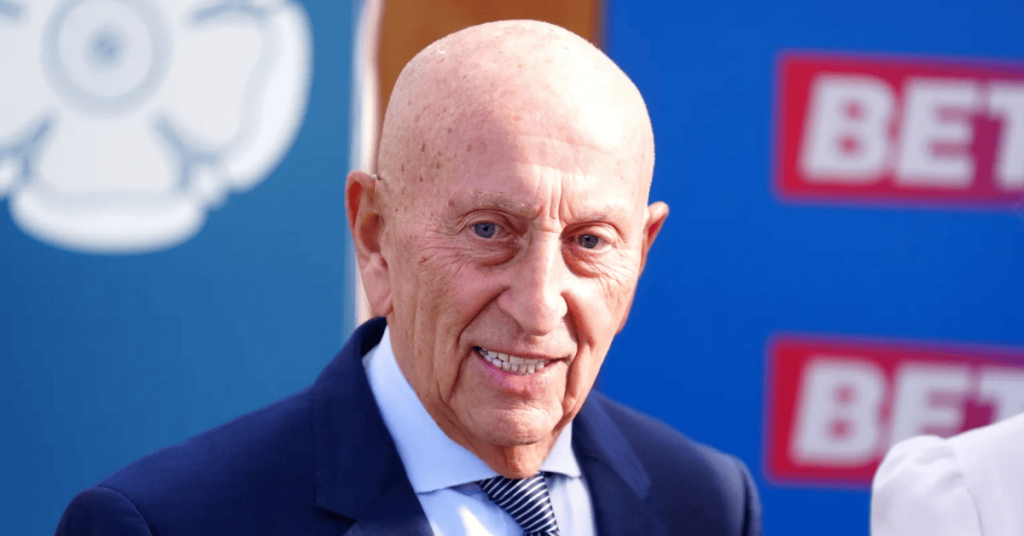
- Betfred owner Fred Done says betting shops could vanish from UK high streets by 2030.
- A doubled Machine Games Duty would close 495 Betfred shops and cost thousands of jobs.
- Chancellor John Healey delivers his first Autumn Budget on 28 October.
Fred Done, Chairman and Co-Founder of Betfred, has told UK policymakers that betting shops will disappear from the high street by 2030 if the government pushes ahead with a planned machine tax rise.
Writing in The Sunday Times and speaking separately to the Financial Times, Done tied the warning to a Social Market Foundation (SMF) proposal, published in June, to double Machine Games Duty (MGD) from 20% to 40%.
The math behind the story
Fixed-odds betting terminals account for half of Betfred’s shop profits, Done told the Financial Times. That single fact explains why a machine tax rise threatens the business more directly than most other levies on the table.
Done put a figure on what doubling MGD would mean: the closure of 495 shops, around 45% of Betfred’s retail estate. Outlets differ slightly on the exact knock-on cost, with figures ranging between 2,475 and 2,575 jobs and £66.8m to £67m in lost tax revenue. He also warned of a further £15.8m hit to annual horseracing funding.
Those numbers come on top of what Betfred has already absorbed this year. The firm closed 132 shops in July, costing 600 jobs and £4.2m in horseracing funding. Done described that round of closures as “like killing your own babies.”
Betfred isn’t alone
Betfred is one of several operators cutting back. Entain has confirmed Entain’s cuts of 400 roles, Flutter Entertainment is reviewing Paddy Power shops for closure, and Evoke’s William Hill business has already shut 200 shops since the last Budget.
Retail is technically shielded from the tax rises already confirmed. Remote Gaming Duty rose from 21% to 40% last year, and General Betting Duty climbs to 25% by April 2027, though both apply only to online products. Operators argue the shielding matters less in practice, since group-wide savings targets often lead to shop closures regardless of where a specific tax lands.
Betfred currently sponsors all five British Classic flat races. Done said the firm has not yet agreed to extend that sponsorship, with the decision hanging on how the Budget treats machine taxation. The company has also already pulled its Super League sponsorship, citing government fiscal policy as one of the reasons.
Done’s warning to Burnham
Done told the Financial Times:
“I believe that by 2030 we will have no betting shops. The high street will be dead — we’ve already worked it out that with the increases in taxes and salaries and other wages it won’t be worth operating.”
The remark was a pointed rebuttal to Prime Minister Andy Burnham, who has made reviving Britain’s high streets a stated priority. Done also argued that closing shops would not reduce demand, only push it into unregulated channels:
“Do you think when there’s no betting shops punters will stop betting? The answer is no. They will find a way to bet, like in the prohibition.”
He added that a shrinking retail sector would mean fewer controls, less tax revenue, and less racing funding overall.
Healey’s decision, industry’s fate
The comments arrive as lobbying intensifies ahead of Chancellor John Healey’s first Autumn Budget, due on 28 October 2026.
The SMF’s June report focused specifically on Category B machines, the ones found in betting shops, proposing to double the standard MGD rate while leaving pub machines untouched. Some reports suggest Treasury officials are now looking at a wider version, doubling all three MGD bands rather than just the standard rate.
Entain chief executive Stella David wrote to Burnham this month warning that a 40% MGD rate would add roughly £100m to the annual cost of running the company’s betting shop business. She cited Betting and Gaming Council modelling from consultants EY, which put the sector-wide toll at up to 1,470 shop closures, 15,900 job losses, and a net loss to the Exchequer of around £120m.
Former Chancellor Rachel Reeves set the tone for this debate last year, saying there was “a case for gambling firms paying more.” Former Prime Minister Gordon Brown has made the same argument more forcefully, calling the sector “undertaxed.”
Public sympathy is not guaranteed to side with operators either: UK gambling generated £17.5bn in gross gambling yield in 2025/26, up 4.4% on the £16.7bn recorded the year before.
Done’s closing appeal struck a more measured tone than his headline prediction:
“I’m not asking anyone to feel sorry for bookmakers, but I am asking the government to open its eyes… Please, let us breathe. Give us some sort of chance to keep investing.”
Betfred hasn’t faced a threat on this scale since the £2 stake cap gutted fixed-odds terminals in 2019. If Healey doubles the rate, Done’s 495-shop estimate becomes the number to watch, and racing will find out fast whether its sponsors can still afford the sport.
Do you have a story worth sharing?
Send it over to our editors!