US Senate group demands crack down on prediction markets
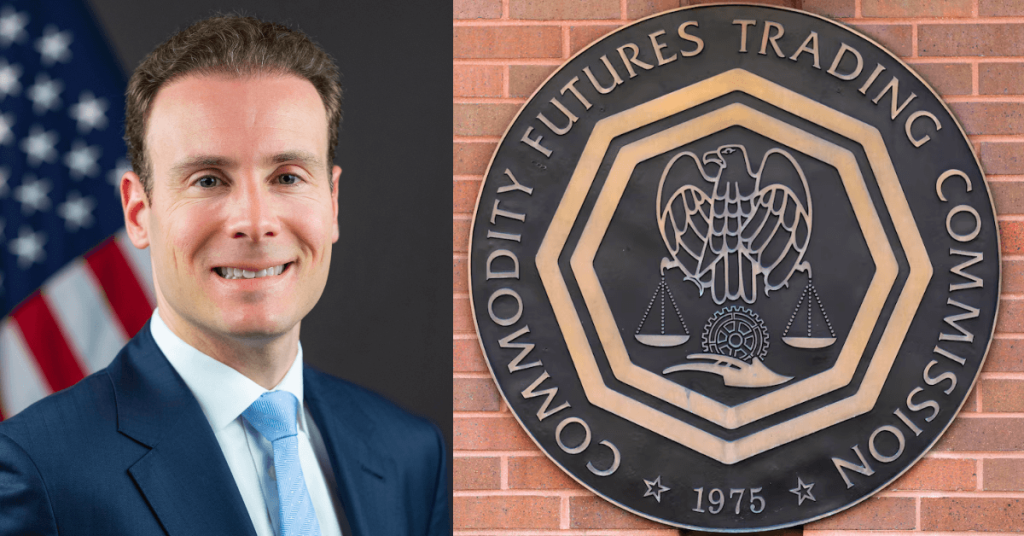
- A bipartisan group of senators sent a formal letter to CFTC Chairman Michael Selig on February 23, demanding enforcement of existing legal prohibitions on certain event contracts.
- Lawmakers cited prediction market platforms such as Polymarket as offering contracts linked to terrorism, assassination, and politically destabilizing outcomes.
- Senators set a March 9 deadline for the CFTC to outline how it plans to enforce restrictions under the Commodity Exchange Act.
A group of US Senate Democrats formally urged the Commodity Futures Trading Commission (CFTC) to take stronger action against prediction market platforms offering contracts tied to national security risks, violent events, and human suffering.
The letter, addressed to CFTC Chairman Michael Selig and dated February 23, 2026, demands that the agency clarify and enforce existing legal boundaries around restricted event contract categories.
Specific contracts draw bipartisan alarm
The letter was led by Senators Richard Blumenthal (Connecticut), Cory Booker (New Jersey), Catherine Cortez Masto (Nevada), Tim Kaine (Virginia), Jacky Rosen (Nevada), and Adam Schiff (California), among others.
Lawmakers identified specific contracts active on platforms such as Polymarket as examples of offerings they believe cross ethical and legal lines.
These included contracts linked to the explosion of a space mission and the ousting of Venezuelan President Nicolás Maduro. Senators argued that such contracts could create financial incentives to incite real-world harm or to disclose classified information for personal gain.
Polymarket has previously drawn scrutiny over insider trading concerns tied to political contracts.
The senators stated in their letter:
“Recent events highlight the lack of internal controls and safeguards to prevent insiders from profiting off of non-public information, and direct profiteering off of human suffering.”
Existing law already draws clear boundaries
The Commodity Exchange Act (CEA) explicitly prohibits certain event contracts deemed contrary to the public interest. That prohibition covers contracts involving terrorism, assassination, and war. Lawmakers argue that some platforms are currently offering products that fall within those categories, and that the CFTC has not been sufficiently active in removing them.
Senators pointed out that the prohibition under the CEA is unambiguous. Their letter stated:
“The letter and spirit of the CEA’s prohibition on war, terrorism, and assassination contracts is clear. We expect the CFTC to enforce the law.”
The senators also offered to assist the agency in securing any additional resources it might need to strengthen oversight and enforcement in this area.
Regulatory tension between federal and state authority
The pressure from Congress arrives at a moment of growing tension over who governs prediction markets in the United States.
The CFTC has increasingly asserted exclusive federal jurisdiction over event contracts, positioning itself as the primary and sole regulator for these platforms. Several states have pushed back, treating sports-related prediction market offerings as unlicensed gambling products subject to local gaming law.
Nevada has taken particularly direct action, suing Kalshi in an escalating dispute over sports event contracts. Meanwhile, prediction platforms have continued expanding into new event categories, with some platforms such as Polymarket being excluded from certain jurisdictions over concerns about political betting activity.
Critics in Congress argue the sector is growing faster than the regulatory framework can keep pace. They contend it remains exposed to manipulation, exploitation, and the erosion of existing consumer protections designed by state gaming authorities and tribal regulators.
The deadline given to Selig is March 9, leaving little time for a detailed response. Lawmakers framed the request not as a suggestion but as an expectation, stating they want a concrete explanation of how the CFTC intends to apply existing law to platforms operating in legally contested territory.
The outcome of this exchange will carry implications beyond any single platform. If the CFTC commits to stricter enforcement, it could reshape the product landscape for the prediction market industry at a time when several operators are aggressively expanding their contract offerings and user bases across the country.
Keep reading
Do you have a story worth sharing?
Send it over to our editors!