House Bill 243 to define and ban proposition betting in Utah
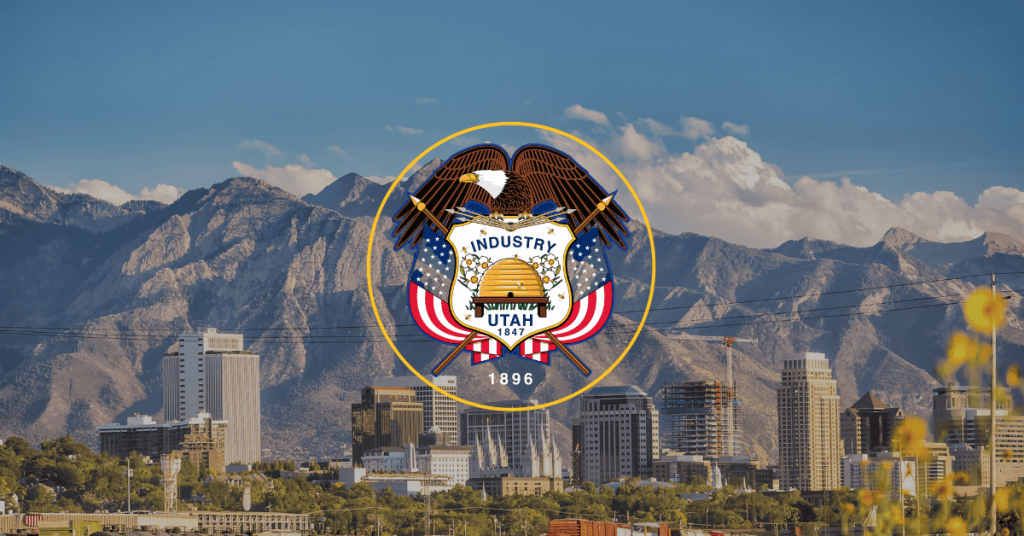
- Utah State Representative Joseph Elison has filed House Bill 243 to formally define and prohibit proposition betting under the state criminal code.
- The legislation aims to close perceived loopholes whilst exempting federally regulated prediction markets and fantasy sports.
- Utah remains one of two US states with comprehensive gambling prohibitions alongside Hawaii.
Utah State Representative Joseph Elison has introduced legislation to formally define and ban proposition betting, reinforcing the state’s strict anti-gambling stance as sports wagering expands across neighbouring jurisdictions.
House Bill 243, filed on 13 January 2026, would amend the Utah Criminal Code to explicitly define proposition wagers as illegal gambling, according to the bill text published by the Utah Legislature.
Targeting digital platform loopholes
The proposed legislation defines a proposition bet as a wager placed on an individual action, statistic, occurrence, or non-occurrence during an athletic event, distinct from betting on outcomes.
Whilst Utah’s constitution already bans all gambling forms, Elison expressed concern about digital platforms potentially offering betting access to Utah residents. In an interview with ABC4, he noted reports suggesting some operators may be violating state law.
“One of the radio stations… mentioned that some of these companies were kind of skirting our laws and allowing betting to go on in the state of Utah,” he said.
“I even opened up a Draft Kings account and low and behold I can’t place any bets,” Elison told ABC4.com. “There have been a couple platforms, apparently, where people are able to do that without a VPN.”
Enforcement and exemptions
Should HB 243 become law, Elison said the Attorney General’s office would have grounds to issue cease-and-desist letters to non-compliant companies. The legislation would provide a basis for enforcement under existing penalties for facilitating prop betting within Utah.
Elison clarified for SBC Americas that the bill is not targeting prediction market platforms.
“This bill does not touch the Prediction Markets platforms, which fall under the federal Commodity Futures Trading Commission and which we are not allowed to regulate on a state level,” Elison clarified.
“It also does not touch the fantasy leagues, which many states throughout the country have deemed as ‘games of skill’.”
The exemptions for prediction markets remain noteworthy as platforms, including Kalshi, allow Utah residents to speculate on event outcomes that may closely resemble player proposition bets.
Last September, Rep. John Curtis and five other lawmakers co-authored a letter urging the Commodity Futures Trading Commission not to approve expansion of such platforms into sports wagering.
Utah’s gambling prohibition
Utah has maintained strict anti-gambling laws for decades, reflecting substantial influence from The Church of Jesus Christ of Latter-day Saints, which opposes gambling on moral grounds. The state constitution prohibits lotteries, and Utah statute bans virtually all gambling forms.
Alongside Hawaii, Utah remains the only US state without any legalised gambling, including no lottery, casinos, sports betting, or tribal gaming facilities. The state has consistently resisted gambling expansion efforts even as neighbouring states including Nevada, Colorado, Arizona and Wyoming offer legal sports betting.
The bill’s introduction comes as sports betting has expanded to 39 US states and Washington DC since the Supreme Court overturned the federal sports betting prohibition in 2018. Several states bordering Utah offer legal sports wagering options.
Broader prop betting debate
Proposition bets (props) allow wagers on specific in-game events like a pitcher’s strikeouts or quarterback touchdowns, whilst micro-betting (a fast-growing subset) targets seconds-long actions such as next-play outcomes (run/pass) or pitch results, driving high-volume revenue for DraftKings and FanDuel but raising addiction and spot-fixing concerns.
Utah’s proposed legislation arrives during nationwide reexamination, including New Jersey’s Assembly Bill 5971 (July 2025) banning micro-bets on next plays, Senate Bill 1170 prohibiting college athlete props following NCAA pressure, and Missouri’s recent decision against college prop restrictions post-launch.
Market implications
Prop betting has become a substantial revenue driver for legal sportsbooks across the United States. Major operators including DraftKings, FanDuel, and BetMGM offer hundreds of prop bet options for major sporting events, with the Super Bowl traditionally featuring the most extensive prop betting menus.
Regulatory approaches to prop betting vary by state, with some jurisdictions restricting certain categories such as wagers on college athlete performances or non-sporting events. Utah’s proposed legislation would represent one of the most restrictive stances by explicitly prohibiting the activity entirely.
The bill has been assigned to committee for review, with hearings expected in coming weeks. Utah’s legislative session runs through 6 March 2026, providing a limited window for consideration and potential passage.
The proposed legislation would apply to both physical and online betting operations attempting to serve Utah residents.
Do you have a story worth sharing?
Send it over to our editors!