Enforcement alone won’t fix Nordic channelisation
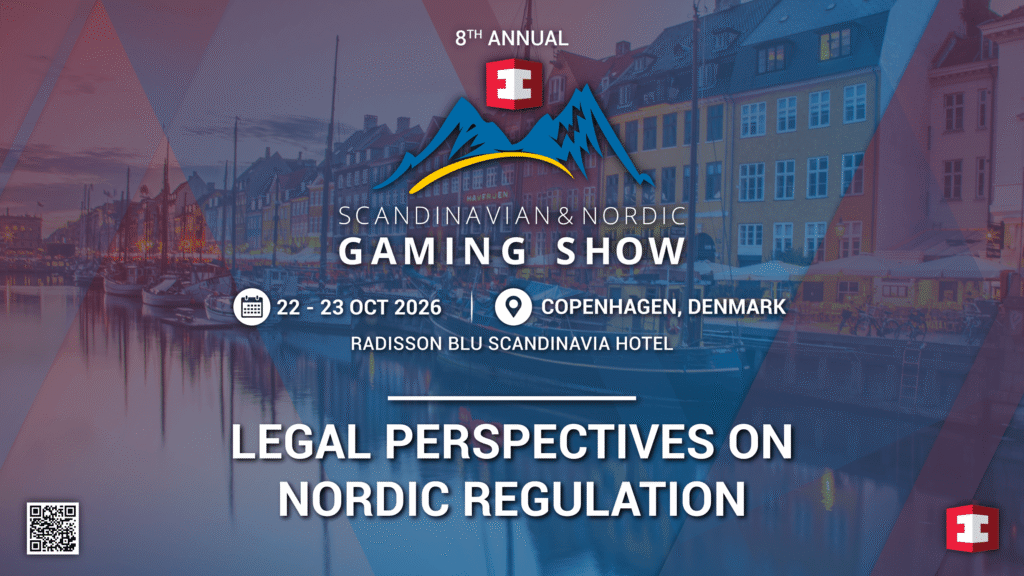
- Lawyers from Bird & Bird, Taylor Wessing and Nordic Legal share views ahead of SNGS 2026 in Copenhagen.
- Finland’s monopoly held less than half of digital gambling, Pia Ek says.
- SNGS Eventus Awards nominations close 9 October, with the ceremony on 22 October.
Enforcement alone will not beat the black market in the Nordics, say three lawyers speaking at the Scandinavian & Nordic Gaming Show (SNGS) 2026 in Copenhagen on 22 to 23 October. Pia Ek, Gabriel Danyeli and Morten Ronde agree the licensed market must give players a reason to stay.
Organiser Eventus International released their comments two weeks before the eighth edition. It said Finland is moving to a new licensing framework, Sweden is taking a firmer approach to regulation and Norway is stepping up enforcement.
Monopolies lose ground
Ek says the gap in channelisation across the Nordics comes down to how each market was set up.
Pia Ek, Attorney at Law & Partner, Bird & Bird, said:
“The divergence comes down to market architecture, not geography or culture. Sweden and Denmark opened to competitive licensing years ago, while Finland and Norway kept state monopolies.
“Monopoly markets are structurally more exposed when demand moves online and cross-border. Finland’s own reform documents found that the exclusive-rights system and its underlying purpose risked losing their relevance because of the sharp rise in online gambling and gambling outside the system.”
“The system was undermined by services moving online and by the cross-border nature of gambling and gambling services, to the point that the exclusive system’s market share in digital gambling had slipped below the 50 percent mark, with unlicensed operators outside the monopoly earning revenue without paying licence fees, taxes, or bearing responsibility for the harms their activity causes.”
Finland is now opening up. Its President approved the new Gambling Act on 16 January 2026. Operators have been able to apply for licences since 1 March 2026.
Licensed operators can go live on 1 July 2027. On that date, the new Finnish Supervisory Authority takes over from the National Police Board.
Players follow the product
Danyeli, of Taylor Wessing, says two things decide where players go. One is how hard regulators chase unlicensed sites. The other is how good the legal product is.
Gabriel Danyeli, Lawyer, Taylor Wessing, said:
“Differences in player flows and channelisation have several causes. Strong enforcement against unlicensed operators can increase channelisation. Particularly restrictive systems or a lack of appeal in the legal offers may push players towards the black market. It is therefore important to combine effective enforcement with a competitive regulated market.”
He also warns against heavy-handed player protection. Danyeli wants rules based on evidence and player needs. He does not want blanket bans or the heavy admin often criticised in Germany.
Ronde chairs SNGS 2026. He ran Danish trade body Spillebranchen for nearly 15 years before stepping down in July to focus on Nordic Legal.
Morten Ronde, Managing Partner, Nordic Legal, said:
“The most effective way to combat the black market is to ensure that the regulated market remains attractive to players. Enforcement is important, but it cannot stand alone. Regulation needs to strike a careful balance, protecting consumers without making the licensed offering so restrictive that players seek alternatives. This includes competitive product offerings, reasonable limits, and clear, consistent rules.”
On responsible gaming, Ronde says the industry is moving from reactive to proactive. His priorities are spotting risk earlier with behavioural data, more personalised interventions and data sharing between operators, within legal limits.
Borders don’t stop ads
Offshore sites and their advertising cross borders freely. Ek says this is where Nordic countries should work together first.
Ek added:
“The Nordic countries already treat each other as the natural reference group for legislative purposes. That shared legal baseline, plus the fact that harmful supply and advertising increasingly cross borders regardless of each country’s own licensing choice, in my mind points to where alignment would have the most immediate payoff, and that is coordinated action against unlicensed, cross-border operators and their marketing. This is an area where no single Nordic country’s model can fully protect its own channelisation rates.”
These topics run through the two-day programme at the Radisson Blu Scandinavia Hotel. Thursday includes Sweden and Denmark: Two Neighbours, Two Regulatory Paths. Friday covers Winning Early in Finland’s New Regime and the lottery monopoly debate.
The SNGS Eventus Awards take place on the evening of 22 October. Nominations close on 9 October, and the shortlist will be announced on 14 October.
Finland’s licensed market opens on 1 July 2027. In Ek’s view, licence terms, tax rates and supervision will decide how many players move to licensed sites.
Do you have a story worth sharing?
Send it over to our editors!