Denmark blocks 98 sites, Polymarket included
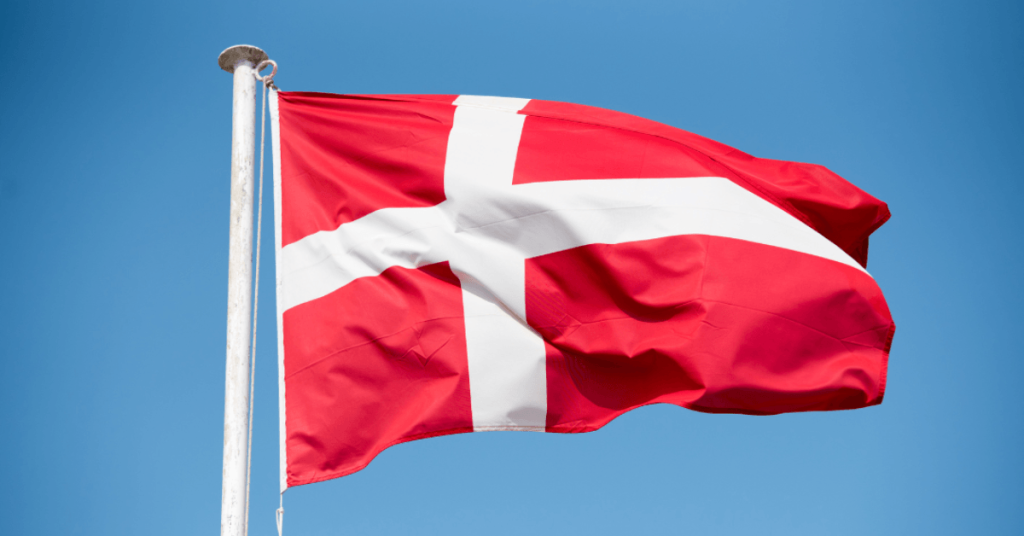
- Spillemyndigheden has won court approval to block 98 unlicensed gambling websites, including prediction market platform Polymarket, after the Court of Frederiksberg ruled in its favour on 8 July 2026.
- The regulator says the blocked sites used Danish language, currency and payment methods to target local users, taking the total number of domains blocked since 2012 to 870.
- Danish Tax Minister Jakob Engel-Schmidt welcomed the ruling, criticising platforms that let users bet on war and human tragedy.
Denmark’s gambling regulator, Spillemyndigheden, has secured court approval to order internet service providers to block 98 unlicensed gambling websites, including the prediction market platform Polymarket.
The Court of Frederiksberg ruled in the regulator’s favour on 8 July 2026, clearing the way for ISPs to implement the DNS-level blocks. The regulator says the action takes the total number of domains blocked in Denmark since 2012 to 870.
Targeting Danish users
Spillemyndigheden says the latest batch of sites was built to look local. The platforms used Danish language, currency and national symbols, alongside native payment options and customer service delivered in Danish.
Marketing was tailored specifically to residents. The regulator says those markers distinguish sites actively courting Danish players from foreign platforms that are simply accessible from Denmark without targeting it.
Under Danish gambling law, offering betting services to Danish players without a licence from Spillemyndigheden is prohibited. Enforcement follows a fixed sequence: a cease-and-desist notice first, then a court case if the operator fails to comply.
Only once a judge confirms a site’s illegality can Spillemyndigheden instruct telecoms providers to impose the block. The measure itself is a DNS-level restriction, meaning technically minded users can still route around it with a VPN.
Minister’s warning
Polymarket’s inclusion drew a sharp response from Tax Minister Jakob Engel-Schmidt, who welcomed the court’s decision.
“We’re talking about people losing their lives. About families losing their loved ones. About wars that destroy entire societies. And then someone sits there and says, ‘What if we could bet on when it happens?’ It’s crazy,” Engel-Schmidt said.
“A human life is not a lottery ticket,” he added.
Spillemyndigheden reminded consumers that only sites carrying its official licence mark are authorised to operate in Denmark, and advised players to check the regulator’s registry before using any platform.
Enforcement picks up pace
Denmark’s enforcement activity has accelerated. Spillemyndigheden’s annual report showed it secured court approval to block 334 illegal gambling websites in 2025, more than double the previous year’s total.
Of 695 sites flagged for review with the Danish Tax Authority’s anti-fraud division, 334 were confirmed by the courts as unlicensed. A further 36 withdrew or changed their offering once contacted.
Polymarket’s Danish block follows a run of similar rulings across the continent. France and the Czech Republic ordered blocks in July, and Spain’s regulator moved to temporarily block both Polymarket and Kalshi in May pending an investigation.
Denmark had previously said existing law gave it no direct route to act against prediction markets unless a platform could be shown to target Danish users specifically. This ruling marks a shift in the regulator’s own position rather than a change in the law itself.
The order landed within days of a separate finding in South Korea, where regulators ruled Polymarket’s contracts constitute illegal gambling and ordered nationwide ISP blocks of its own.
Not everyone in the industry sees tighter enforcement as the fix. Willem van Oort has argued that Europe’s stricter gambling rules can push players toward unlicensed operators rather than away from them.
For operators watching prediction markets as a potential product line, the Danish ruling adds one more jurisdiction where the line between financial instrument and gambling product has now been drawn. Regulators elsewhere show no sign of converging on the same answer.
Do you have a story worth sharing?
Send it over to our editors!