Belgium upholds gambling ad ban for World Cup
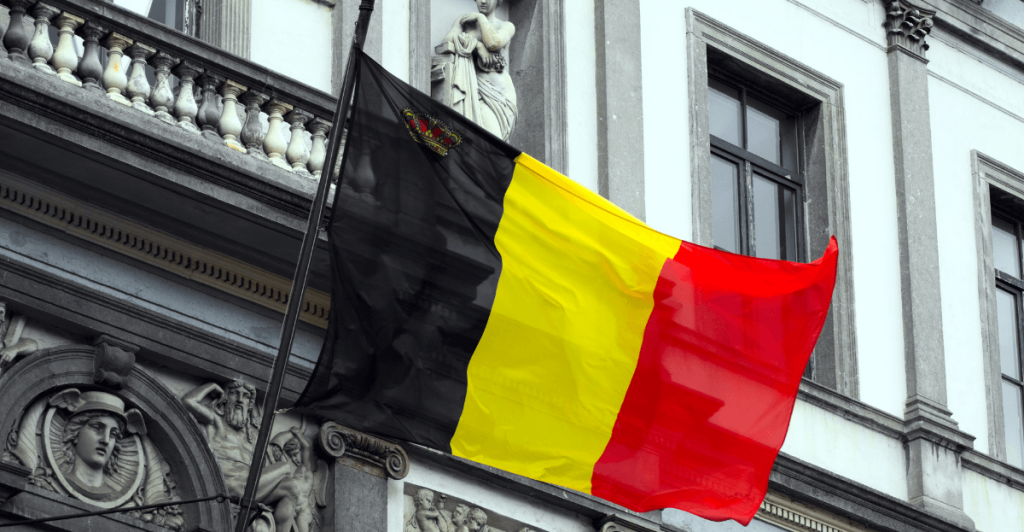
- Belgium’s Kansspelcommissie issued a formal reminder on 20 May that existing advertising and bonus restrictions remain fully enforceable during the 2026 FIFA World Cup.
- Articles 60 and 61 of the Gambling Act restrict bonuses and gambling advertising, with limited exceptions set out in the Royal Decree of 27 February 2023.
- A Sciensano health survey found 52.6% of Belgians were exposed to gambling advertising at least once per week in 2023–24.
Belgium’s Gaming Commission warned licensed operators on 20 May that existing advertising and bonus restrictions will remain fully enforceable during the 2026 FIFA World Cup, reminding the market that the country’s Gambling Act applies without modification during the tournament, which runs from 11 June to 19 July.
The Kansspelcommissie published its notice ahead of the competition, citing Articles 60 and 61 of the Gambling Act. The regulator did not introduce new rules. It restated existing obligations and signalled that its inspection service would be actively monitoring the market during the event.
Bonuses and advertising
Article 60 restricts operators from offering any form of player incentive designed to influence gambling behaviour, recruit new players or retain existing ones. The provision covers free bets, gaming credits, cashback offers and loyalty rewards.
Article 61 largely prohibits gambling advertising, with exceptions limited to cases expressly authorised under the Royal Decree of 27 February 2023. The Commission’s notice made no reference to World Cup-specific exemptions.
Per the Commission’s official statement:
“Operators are strongly urged to comply with the legal provisions. The inspection service will strictly ensure that potential players are not exposed to unauthorised practices. We rely on the sense of responsibility of all operators to ensure better protection of players and a level playing field.”
The Commission also warned operators against attempting to circumvent restrictions through affiliated fan pages or informational websites linked to betting brands. Sponsored gambling promotions on social platforms remain largely banned, and per that reporting the regulator indicated that interactive features such as likes, comments and shares should be disabled where technically possible.
Belgium has progressively tightened its rules on gambling visibility in sport. From 1 January 2025, gambling logos were banned from the fronts of sports shirts and from pitchside boards. Operators may still display a logo on shirt sleeves or backs, subject to a maximum surface area of 75 cm². A full shirt sponsorship ban is scheduled to take effect from 1 January 2028.
A Sciensano health survey published earlier this month found 52.6% of Belgians were exposed to gambling advertising at least once per week in 2023–24. The same study found 2.6% of Belgian players display risky gambling behaviour, with 0.6% classified as high risk.
Wider European pressure
Belgium is not the only European regulator increasing scrutiny ahead of the tournament. The Dutch Gambling Authority, the Kansspelautoriteit (KSA), sent formal warning letters to all licensed operators this week, confirming it will intensify monitoring during the competition.
Michel Groothuizen, chairman of the KSA, said:
“We saw at the 2022 World Cup and 2024 European Championship that gambling increased. This makes it attractive for companies to attract new players during that period. While I understand this, I strongly urge providers to remain mindful of the protection of young adults and other vulnerable groups, and to adhere to the applicable rules. If we observe that this is not happening, we will take immediate action.”
The KSA also reminded operators that certain betting markets remain prohibited under Dutch law regardless of the tournament, including wagers on the first corner kick and on individual player bookings.
France has taken a comparable approach, with broadcasters M6 and beIN Sports pledging not to sell gambling advertising slots during cooling breaks at World Cup matches.
Market context
Belgium’s licensed gambling market generated €1.61bn in gross gambling revenue in 2024, down 4.86% year-on-year, the first contraction since 2020. With promotional activity already heavily constrained, operators have limited means to drive volume through marketing during the World Cup period.
The Commission’s notice, combined with equivalent warnings from the KSA and French broadcasters, points to a broader regulatory posture across Europe ahead of the tournament. How operators respond, and how consistently regulators enforce, will be watched closely by compliance teams and industry bodies throughout the competition.
Do you have a story worth sharing?
Send it over to our editors!