North Carolina lawmakers agree on 23% betting tax
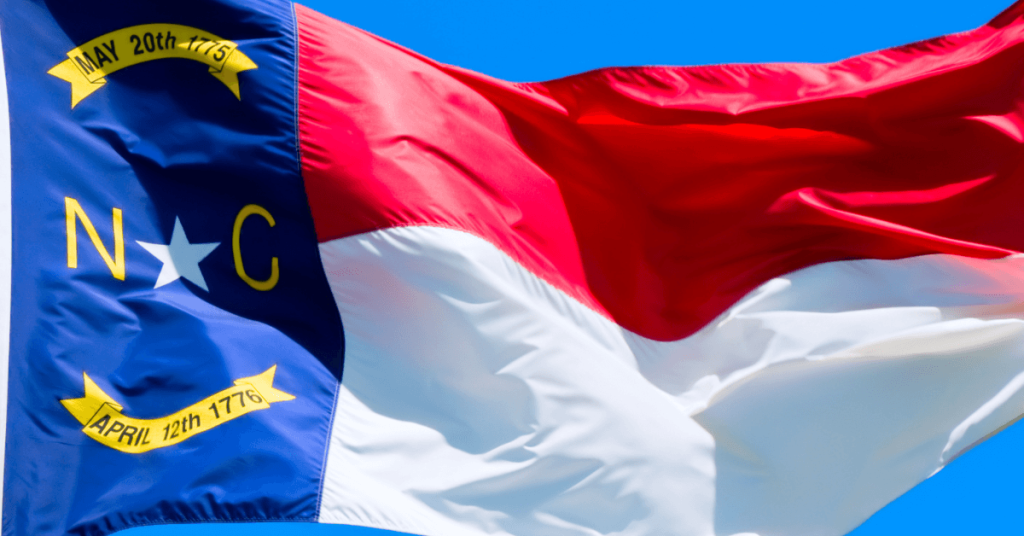
- North Carolina budget negotiators have agreed to raise the sports betting operator tax from 18% to 23%, with the change tied to the state budget process ahead of the July 1 fiscal year start.
- The agreed rate would push North Carolina ahead of New Jersey, Massachusetts, and Ohio in terms of operator tax burden.
- The Sports Betting Alliance, representing FanDuel, DraftKings, BetMGM, bet365, and Fanatics, has opposed the hike, warning it will penalize regulated operators.
North Carolina budget negotiators have agreed to raise the online sports betting operator tax from 18% to 23%. The deal ends months of legislative debate over the scale of a planned revenue increase from the state’s two-year-old wagering market, though the state budget must be formally adopted before the change takes effect.
Sen. Jim Burgin confirmed the agreed figure on June 18. The rate increase is tied to the budget, which lawmakers are finalizing ahead of the July 1 fiscal year start. It would represent a 5-percentage-point increase on the 18% rate that has applied since March 2024.
Industry gains, rising costs
Sports betting has generated more than $299 million in taxes since the March 2024 launch, off more than $1.6 billion in gross wagering revenue for operators. The market has consistently exceeded early projections.
Total wagers since launch have surpassed $15 billion, with the amount bet in 2026 running more than 6% ahead of the prior year.
At a 23% rate, the state would have collected roughly $170 million during the 2025/2026 fiscal year. That is approximately $37 million more than the current 18% rate delivered. Had the higher rate been in place from the outset, North Carolina would have collected an additional $83 million in total tax revenue.
The agreed rate would place North Carolina ahead of New Jersey (19.75%), Massachusetts (20%), and Ohio (20%) in the national tax rankings. It would remain well below the 51% applied in New York, New Hampshire, and Rhode Island.
Operator pushback
The Sports Betting Alliance and its member operators publicly opposed the increase, warning state residents that customers “would pay the price.”
The Sports Betting Alliance, in a statement to WRAL, said:
“This tax hike will only penalize licensed, regulated companies who have delivered hundreds of millions in tax revenue to the state and the UNC System athletic departments. We urge state leaders to instead focus on strengthening the legal framework that protects players, supports jobs, and keeps illegal and unregulated operators out of North Carolina.”
FanDuel also wrote directly to customers, warning that “some lawmakers in Raleigh want a brand new tax hike on N.C. fans” and urging bettors to push back through the Sports Betting Alliance’s campaign portal. The letter stated:
“Legal sports betting is generating real revenue for collegiate athletic departments across the state. A tax hike would threaten that funding and hit fans like me directly.”
Operators have warned that higher taxes could lead to worse odds and less promotional spending. The resulting pressure, they argue, could push customers toward unlicensed, untaxed alternatives.
Long road to 23%
The agreed rate is lower than many in the legislature originally sought. Burgin had pushed for a 50% rate, which would have placed North Carolina among the highest-taxed markets in the country. The Senate previously proposed 36% in its budget submission last year, though the House did not adopt the change.
House Speaker Destin Hall, R-Caldwell, told WRAL earlier in June:
“I think, on our side of the building, it’s more so looking at, ‘How do we line up with other states?’ We want to be on the average of what other states are doing on a lot of these rates. A lot of the ideas are out there. I think we’re somewhat hesitant to tweak too much a program that’s worked pretty well for the state, all things considered.”
House budget writer Donny Lambeth confirmed to WRAL that the House and Senate had reached agreement on the rate, though he did not specify the exact figure at that time.
Sports betting tax revenue in North Carolina funds gambling addiction treatment and education, youth sports, a Major Events fund, and athletic departments at 13 UNC System universities.
North Carolina’s market currently operates with seven active licensed operators following Underdog’s exit in December 2025. Illinois signed a prediction market tax into law this month, reflecting how broadly states are looking to gaming revenue as budget pressures mount.
The 23% rate is a negotiated agreement, not yet enacted law. With the full state budget still to be formally adopted before July 1, operators will be watching the final vote closely. A higher tax load in a market already showing signs of promotional maturation will test the competitive fundamentals that have driven North Carolina’s rapid growth since launch.
Do you have a story worth sharing?
Send it over to our editors!