International operators locked out as Norway cements monopoly following election victory
- The Labour Party’s recent electoral victory secures Norsk Tipping’s gambling monopoly for the next four-year parliamentary term
- Norway now stands increasingly isolated in the Nordic region as neighbouring countries continue to liberalise their gambling markets
- Rising support for the Progress Party keeps market reform discussions alive despite current political resistance
Norway’s Labour Party has successfully retained power following the country’s general election held in early September, effectively safeguarding the state-owned gambling monopoly operated by Norsk Tipping for another parliamentary term.
The election outcome represents a significant victory for supporters of the current monopolistic system, as the Labour Party has consistently championed the state-controlled approach to gambling regulation.
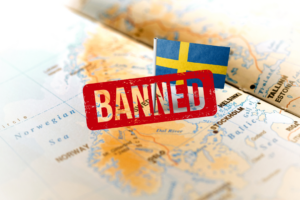
The electoral results have effectively halted any immediate prospects of major gambling reforms that could have opened Norway’s market to commercial operators. The Labour government is expected to maintain existing enforcement measures, including payment blocking and domain restrictions, which are designed to prevent foreign and unlicensed operators from accessing Norwegian consumers.
This political continuity comes at a particularly turbulent time for Norsk Tipping, which has faced mounting criticism over operational failures.
The state operator recently endured a significant technical error that incorrectly notified approximately 30,000 Eurojackpot players about winnings they had not actually secured. This blunder resulted in the resignation of CEO Tonje Sagstuen and triggered a NOK 43 million fine from the Norwegian Lottery Authority.
Despite these operational challenges, the monopoly has retained government backing. The election outcome ensures that structural reforms to Norway’s gambling market remain unlikely throughout the upcoming four-year parliamentary term.
The Progress Party emerged as the main opposition force, having gained considerable momentum during the campaign. This right-wing populist group has consistently advocated for broader gambling reforms and market liberalisation. Their strengthened position as the primary challenger suggests that debates over market opening will persist, even if legislative action remains stalled.
Norway’s decision to maintain its monopolistic approach places the country increasingly at odds with regional trends. Denmark and Sweden have both transitioned from monopoly systems to licensing regimes, whilst Finland is actively phasing out its monopoly structure with new regulations expected to take effect by 2027.
Industry observers note that whilst immediate reform appears unlikely, the Progress Party’s enhanced opposition status ensures continued pressure for policy reconsideration. The ongoing debate reflects broader questions about market efficiency and regulatory effectiveness, particularly given Norsk Tipping’s recent operational difficulties.
For the next parliamentary term, Norway will maintain its unique position within the European gambling landscape, preserving state control over gambling activities whilst neighbouring countries embrace competitive licensing frameworks.
Do you have a story worth sharing?
Send it over to our editors!