Dutch gambling regulator tightens online licensing rules ahead of 2026 renewals
• Kansspelautoriteit introduces stricter licensing requirements effective January 2026
• Operators must submit exit plans and undergo enhanced reliability checks
• Renewal process will include reassessment of player protection and marketing policies
• Market grows to €1.47bn revenue in 2024 with 27 licensed operators
• Political backdrop includes ministerial changes and upcoming snap election
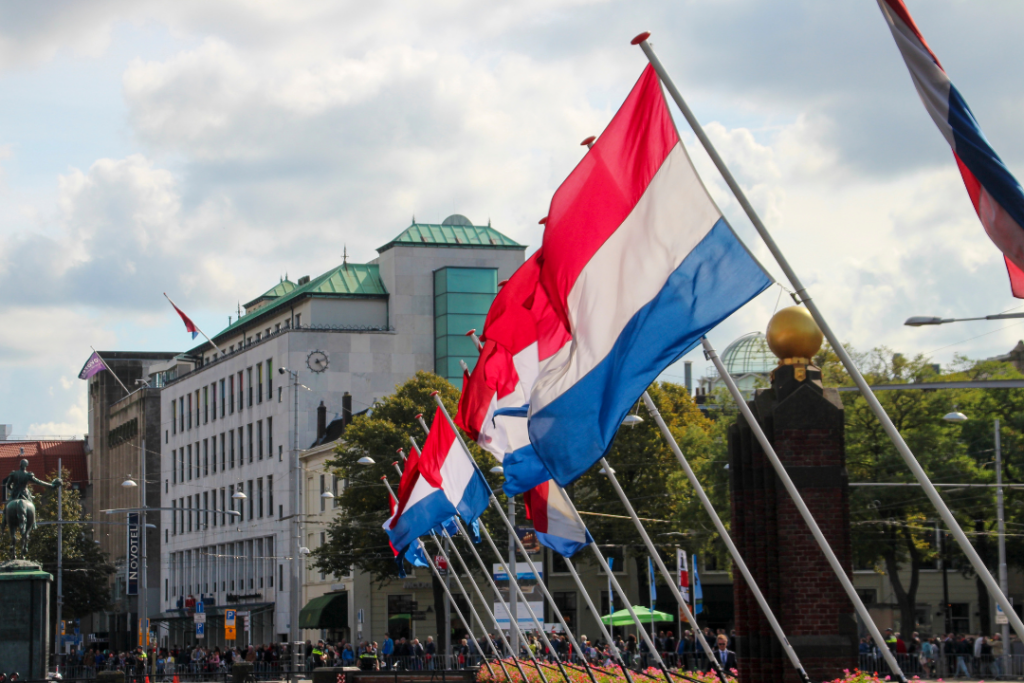
The Dutch gambling authority, Kansspelautoriteit (KSA), has announced new licensing rules for online operators that will take effect from 1 January 2026.
The measures, published in the Official Gazette on 2 September 2025, are intended to prepare for the expiry of the first five-year licences granted in 2021, which end on 1 October 2026.
Mandatory exit plans
Under the updated framework, all applicants will be required to submit a detailed “exit plan” outlining how they would withdraw from the Dutch market if their authorisation is revoked. These plans must cover legal and financial obligations, organisational and technical processes, communication strategies and customer payout procedures.
The KSA has tightened its reliability assessments for applicants. Operators with a history of failing to comply with enforceable Dutch court rulings may now be refused a licence. The regulator stated that such non-compliance will be considered evidence of unsuitability.
Applicants must also provide a risk analysis under the Dutch Anti-Money Laundering and Anti-Terrorist Financing Act (WWFT) and demonstrate compliance with money-laundering standards and player duty of care obligations. They are further required to explain how they will notify the KSA of material changes in their business operations.
Renewal process for existing licensees
For existing operators seeking renewal, the process will be more comprehensive. Applications will involve reassessment of player protection measures, review of advertising and marketing policies, and a new integration test for the mandatory control database.
Operators must also account for breaches or shortcomings during the past five years and show evidence of corrective action.
The KSA warned:
“Providers that made mistakes in the past five years must explain during the application process how they have learned from previous mistakes and how they intend to prevent recurrence. If we find this explanation insufficient, the permit may be denied or additional conditions and restrictions may be imposed.”
Market growth and enforcement
The updated licensing framework comes as the Dutch online gambling market continues to grow. Gross gaming revenue increased from €1.39 billion in 2023 to €1.47 billion in 2024, with 27 operators currently holding licences.
Recent enforcement actions underline the KSA’s strict stance. Earlier this year, the authority issued a penalty order of up to €450,000 to Unibet for breaches of bonus advertising rules and implemented a full ban on sports sponsorships by gambling companies.
Political backdrop
The reforms are being introduced amid political uncertainty. Following a series of ministerial resignations in August, including State Secretary for Legal Protection Teun Struycken who had overseen gambling regulation, the government has appointed Arno Rutte as his replacement. A snap election is scheduled for 29 October 2025.
The KSA emphasised that the original five-year licence term was deliberately chosen to allow the regulator to draw on supervisory experience gained during the initial period when evaluating renewal applications. This, it said, ensures operators demonstrate operational integrity and robust compliance before being permitted to continue in the Dutch market.
Do you have a story worth sharing?
Send it over to our editors!