Alberta expects C$76 million from first iGaming year
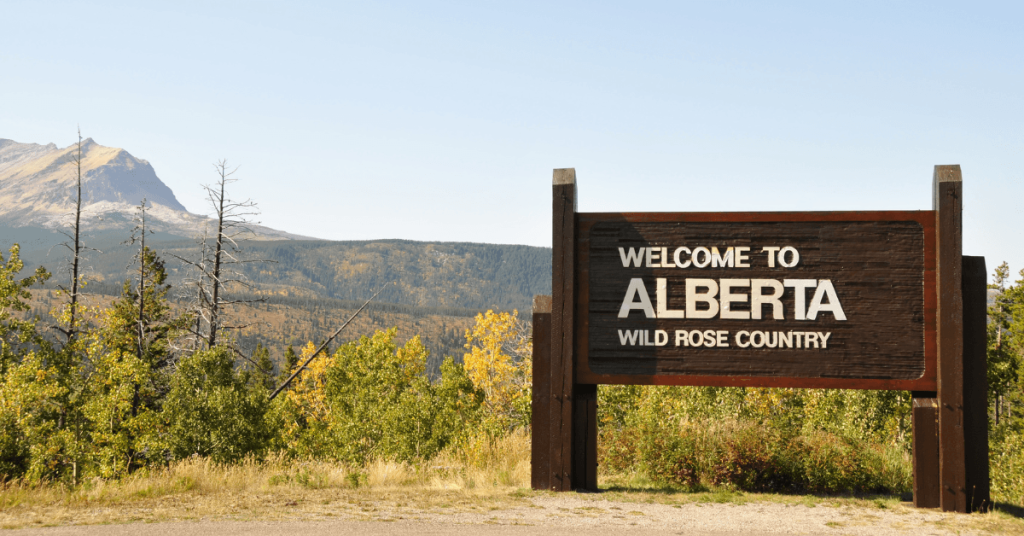
- Alberta’s regulated online casino and sportsbook market is projected to bring in C$76 million in government proceeds during its first year
- The market opens on July 13, making Alberta the second Canadian province after Ontario to allow private operators
- Critics say the framework still falls short on youth protection, First Nations revenue sharing and data privacy.
Alberta’s incoming regulated online gambling market is projected to generate roughly C$76 million in government proceeds during its first year of operation.
Dale Nally, Alberta’s Service Alberta and Red Tape Reduction Minister, shared the estimate with the Edmonton Journal this week. The figure gives the clearest early signal of what the province expects once private operators go live on July 13.
Tax structure drives revenue
Online sportsbooks and casinos in Alberta will pay a 20% tax on net gaming revenue, applied after 3% of gross revenue is set aside for First Nations and social responsibility funding. Within that carve-out, 2% supports First Nations communities and 1% funds problem gambling treatment.
Working backward from the C$76 million proceeds figure implies close to $390 million in legal Alberta gaming revenue during year one, according to Legal Sports Report’s analysis of the tax formula. That would represent growth of more than 40% over the province’s most recent reported figures.
PlayAlberta, the government-run platform that has served as the only legal online option until now, posted $275 million in net sales in fiscal 2024-25, the year ending March 31, 2025. Estimates suggest PlayAlberta currently captures only 23% to 32% of the province’s total iGaming activity, with the rest flowing to unregulated sites.
Operator counts have shifted week to week as approvals continue, with the AGLC‘s registrant list growing to 28 confirmed operators in May, with more brands looking to register, including major US operators and Canadian-owned platforms.
The newest addition, CasinoDays, already operates in Ontario’s market, which generated C$4.04 billion in revenue during 2025, up 34% year over year.
Nally defends the approach
Nally has been candid that regulation is a harm-reduction measure rather than an endorsement of gambling. He previously told the Edmonton Journal he would shut down online gambling entirely if that were possible, but said the province cannot ignore the reality of the internet.
Dale Nally, Service Alberta and Red Tape Reduction Minister, said:
“We know that gambling will never be safe, it will never be responsible. But there are ways to make it a little safer, and there are ways to make it a little more responsible. … We can’t turn off the internet.”
Nally also pointed to the 1% of gross revenue earmarked for problem gambling treatment, noting operators will fund such programs for the first time. He called the move “the right thing” to do.
The minister has separately estimated that 65% to 70% of current online gambling activity in Alberta happens on unregulated platforms, a gap the new framework is designed to close.
Gaps critics point to
Not everyone is convinced the framework goes far enough. Advocacy groups including Student Advocates for Public Health want an outright ban on iGaming advertising and a lower ceiling on the province’s $20,000 maximum bet limit, arguing current safeguards do not adequately protect younger bettors.
Trevor Mercredi, grand chief of the Treaty 8 First Nations, has raised concerns that the province’s revenue-sharing arrangement will not offset declining revenue at First Nations-run casinos as bettors shift online.
Alberta’s information and privacy commissioner has also flagged a provision allowing a Crown corporation to sell customer data to a private company, calling it a “concerning precedent.”
Alberta has built in some protections Ontario still lacks, including a centralized self-exclusion program set to be in place before launch, and a ban on election betting.
With July 13 approaching, the province’s revenue estimate will now face its first real test against actual bettor behavior.
Operators, First Nations partners and consumer advocates will be watching closely to see whether Alberta’s numbers hold up, and whether the safeguards built into the framework keep pace with a market already reshaping itself around private, regulated play.
Do you have a story worth sharing?
Send it over to our editors!